Spanish Painting

Colonial-era Filipino painting was dominated by European academic styles, with artists like Juan Luna and Felix Resurrección Hidalgo gaining international recognition through grand historical and classical subjects. While their works were rooted in European traditions, Filipino nationalists interpreted many of these paintings as powerful symbols of the suffering and resilience of the Filipino people under colonial rule. These artworks demonstrated that Filipino talent could stand alongside the best in the world, fueling a sense of national pride and cultural identity.

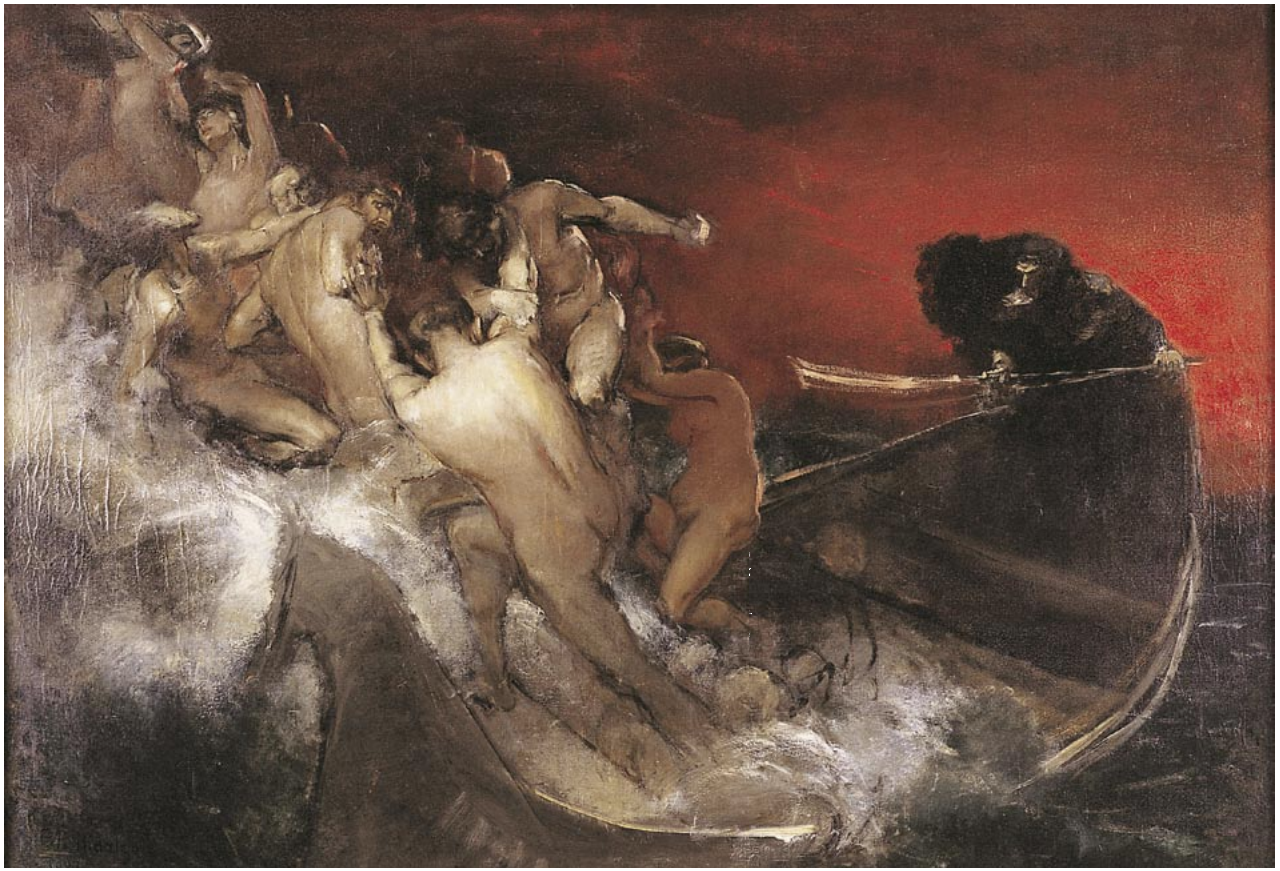
La Barca de Aqueronte

Artist: Felix Resurrección Hidalgo
Year Created: 1887
Origin: Europe

The painting is inspired by Greek mythology and shows souls crossing the river Acheron toward the underworld. Hidalgo's dark and dramatic imagery symbolizes suffering, despair, and the transition between life and death. It also demonstrates the mastery of Filipino artists in European academic painting styles.

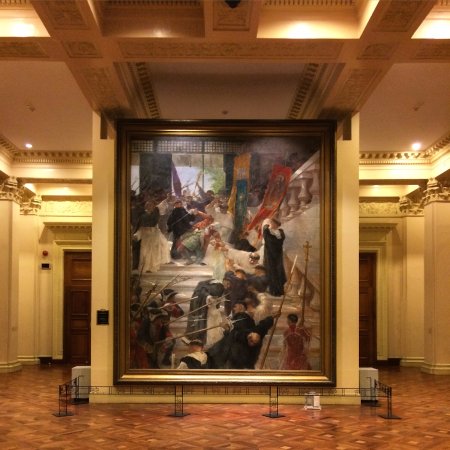
El Asesinato del Gobernador Bustamante

Artist: Felix Resurrección Hidalgo
Year Created: 1884
Origin: Spain

This historical painting portrays the assassination of Spanish Governor-General Fernando Manuel de Bustamante in Manila in 1719. Hidalgo's dramatic composition highlights chaos, power struggles, and injustice during the colonial period. The artwork reminds viewers of the political tensions and abuses of authority that existed in the Spanish colonial government in the Philippines.

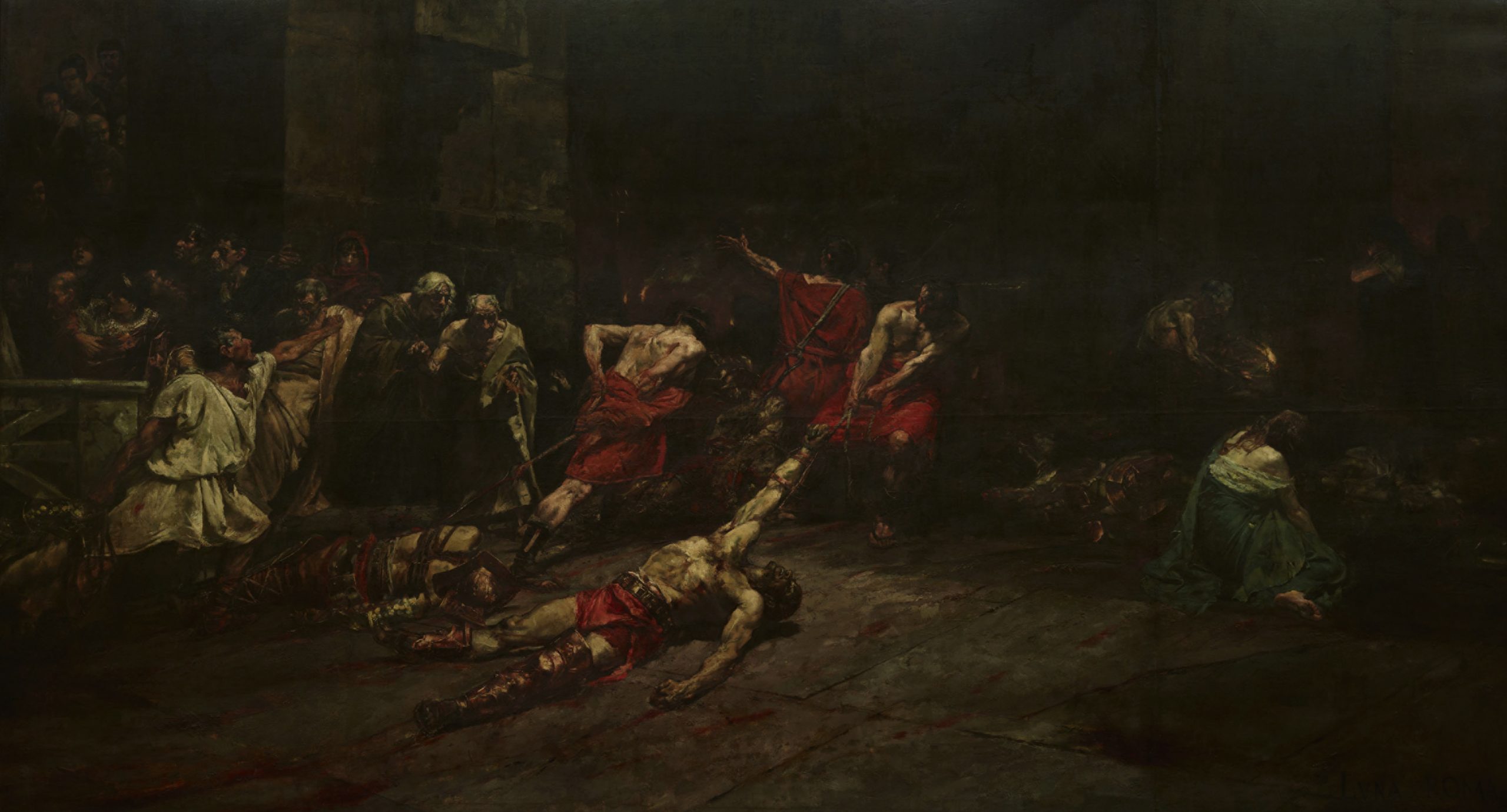
Spoliarium

Artist: Juan Luna
Year Created: 1884
Origin: Rome, Italy

This monumental painting shows fallen Roman gladiators being dragged away from the arena after battle. Filipino nationalists interpreted it as a symbol of the suffering and oppression of Filipinos under Spanish colonial rule. The painting won the gold medal at the 1884 Madrid Exposition and is now displayed at the National Museum of the Philippines.

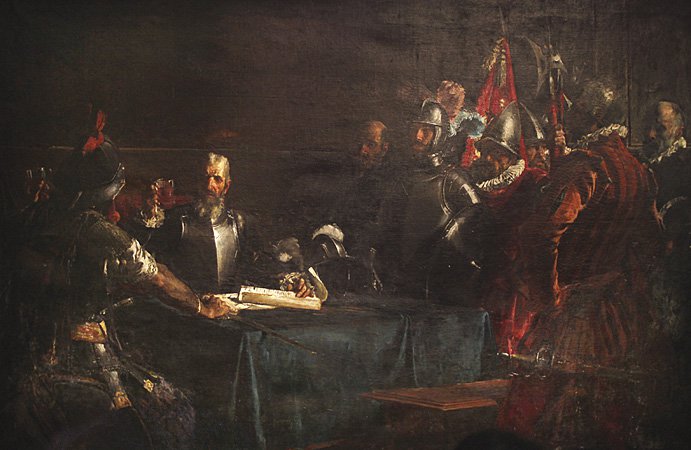
The Blood Compact

Artist: Juan Luna
Year Created: 1886
Origin: Spain

The painting depicts the historic Sanduguan (blood compact) between Spanish explorer Miguel López de Legazpi and Bohol leader Datu Sikatuna in 1565. This ritual symbolized friendship and alliance between the Spaniards and the native Filipinos. Luna painted the event to highlight an important moment in early Philippine colonial history.

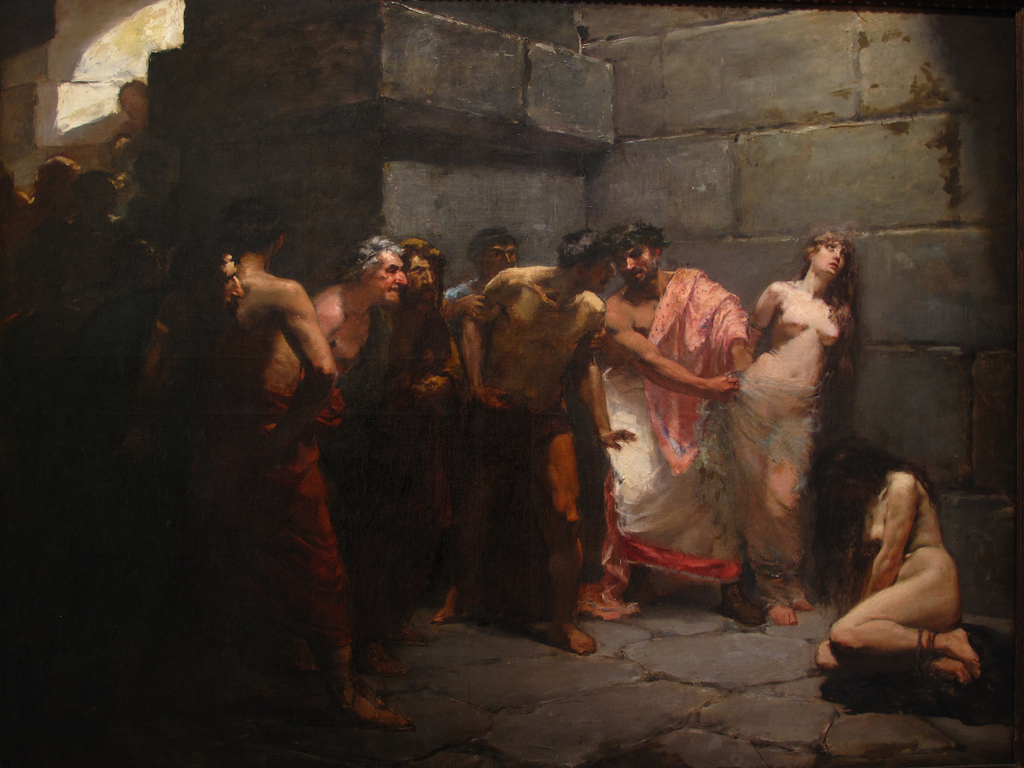
Las Damas Romanas

Artist: Juan Luna
Year Created: 1882
Origin: Rome, Italy

Las Damas Romanas depicts Roman women in classical attire, reflecting the Neoclassical European style that Filipino artists learned while studying abroad. It is viewed as a demonstration of Juan Luna's mastery of technique and composition, symbolizing the Filipino aspiration to be recognized as equals in the European art world. It is now part of the National Museum of the Philippines' Fine Arts collection.