American Sculpture

Sculpture during the American period was largely shaped by nationalism and civic pride. Filipino sculptors created monuments and allegorical figures that honored revolutionary heroes and symbolized governance, independence, and the Filipino people's aspirations for freedom and self-determination.

Rizal Monument

Artist: Richard Kissling
Year Created: 1913
Origin: Rizal Park (Luneta), Manila

This monument honors José Rizal, whose writings inspired Filipino nationalism. The sculpture shows Rizal standing before an obelisk containing his remains. Completed during the American colonial period, it became one of the most important national symbols in the Philippines.

Inang Bayan (Legislative Building Pediment)

Artist: Francesco Riccardo Monti
Year Created: 1930
Origin: Old Legislative Building (now National Museum of Fine Arts), Manila

This pediment sculpture features an allegorical figure interpreted as Inang Bayan (Motherland) surrounded by classical figures symbolizing governance and national progress. Installed on the facade of the Legislative Building, it reflects the neoclassical style introduced during the American colonial period. The work represents the development of democratic institutions leading to the Commonwealth government.

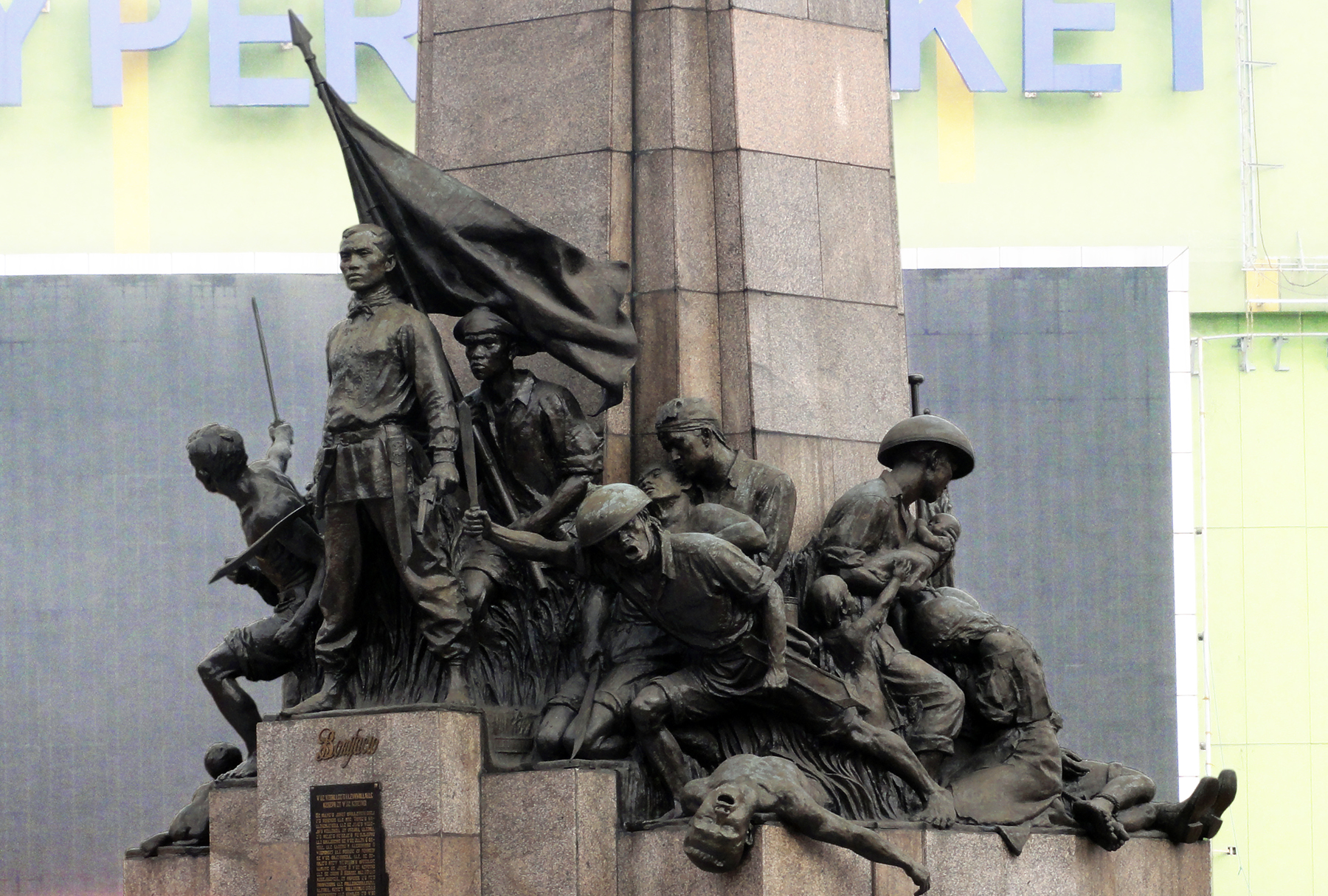
Bonifacio Monument

Artist: Guillermo Tolentino
Year Created: 1933
Origin: Caloocan City, Philippines

This monument honors Andrés Bonifacio and the Katipunan revolutionaries. The sculpture includes multiple figures depicting scenes from the Philippine Revolution and the struggle for independence. Built during the American colonial period, it reinforced Filipino nationalism and historical memory.

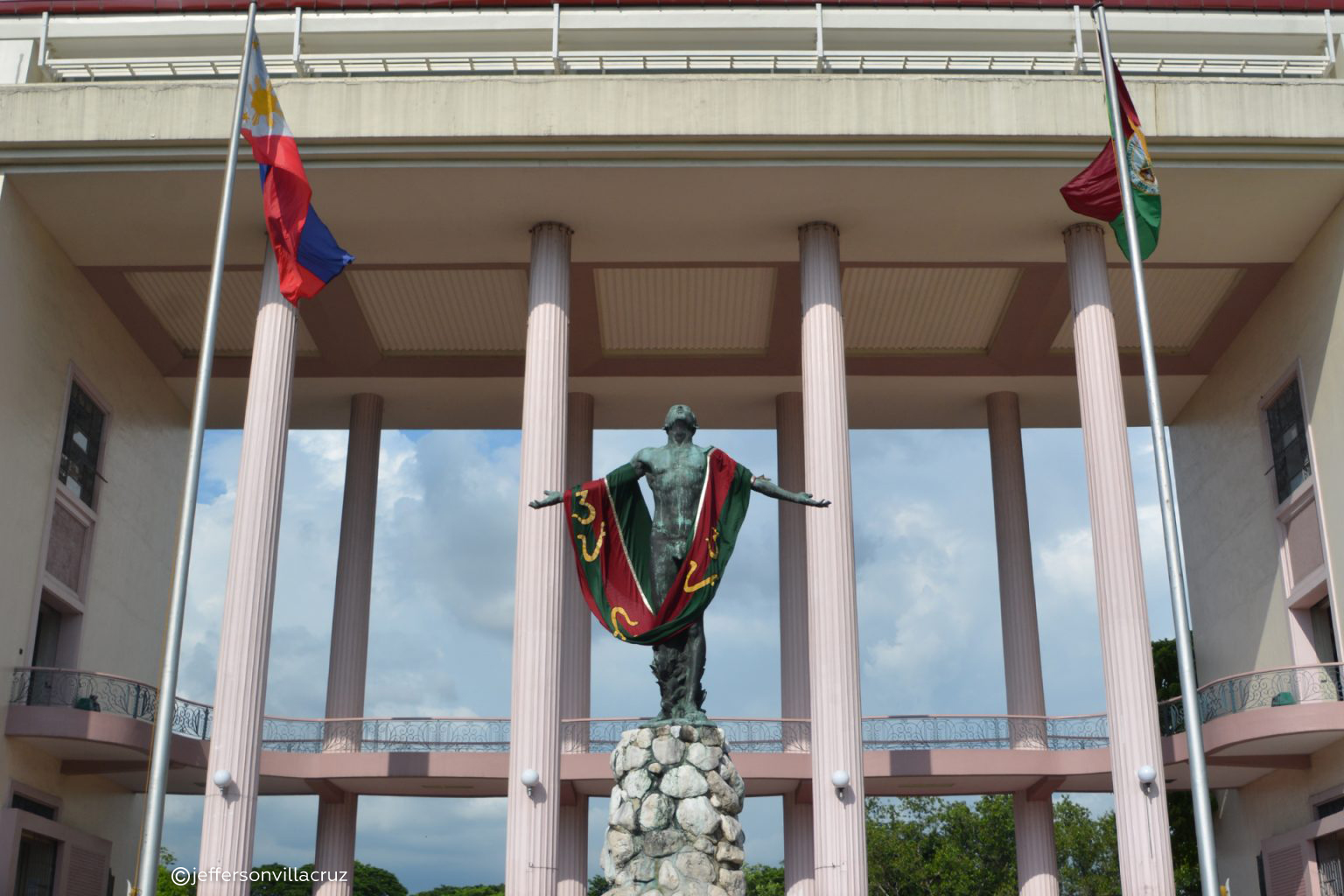
Oblation

Artist: Guillermo Tolentino
Year Created: 1935
Origin: University of the Philippines (UP), Padre Faura, Manila

This sculpture portrays a nude male figure with arms outstretched, symbolizing the selfless offering of oneself to the nation through knowledge and service. Unveiled during the early Commonwealth period, it reflects ideals of sacrifice and civic responsibility among Filipino youth. The statue later became the defining emblem of the University of the Philippines.

Allegorical Figures of Law and Order (Old Iloilo City Hall Facade)

Artist: Francesco Riccardo Monti
Year Created: 1936
Origin: Old Iloilo City Hall (now UP Visayas), Iloilo City

This sculptural pair represents governance and civic responsibility during the American colonial period. The allegorical figures symbolize law, justice, and public order, values emphasized in the American administrative system. Executed in a classical style typical of government buildings, the sculptures reflect the influence of neoclassical architecture and public art in shaping civic identity in Iloilo.