Pre-Colonial Theatre

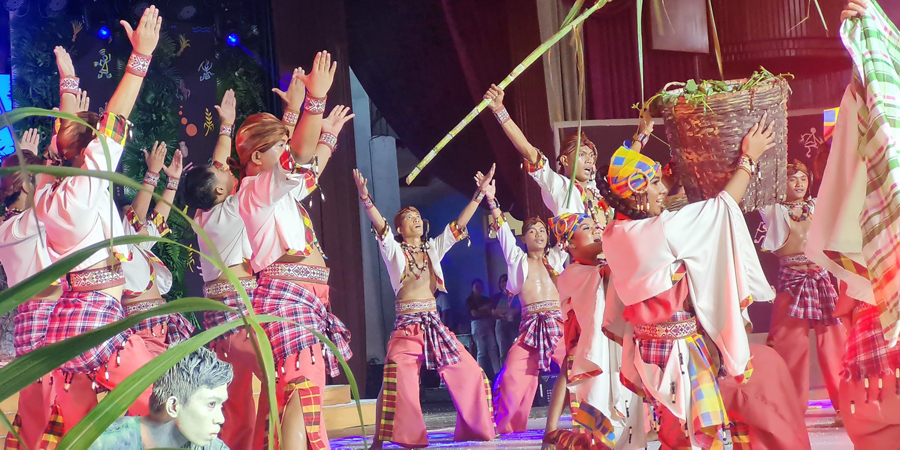
Pre-colonial Philippine theatre was not a formal, building-based activity but a community-integrated performance tradition closely tied to animistic beliefs, rituals, and oral traditions. It was characterized by mimetic performances, rituals, and dances meant to praise deities, spirits, and ancestors.

Bodong Ritual Performances

Artist: Kalinga Tribal Leaders and Peace Pact Holders
Year: Pre-colonial period (before 1521)
Origin: Cordillera region

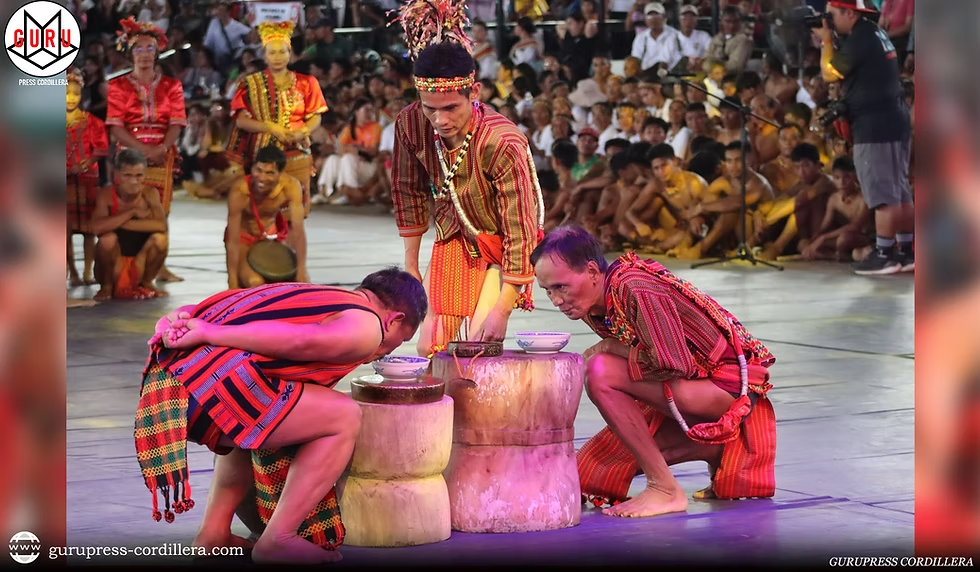
Bodong is a ceremonial ritual of the Kalinga people used to establish peace agreements between tribes. The ceremony includes chants, speeches, and symbolic acts performed by tribal leaders and elders. These performances represent negotiation, unity, and conflict resolution within the community. The Bodong ritual demonstrates how performance and tradition were used to maintain peace in pre-colonial societies.ion: The Darangen is a massive epic song that encodes the customary laws, social standards, and ethical values of the Maranao people. It consists of 17 cycles and over 72,000 lines that are chanted in a sophisticated, melodic style. These songs detail the life of Prince Bantugan, providing a blueprint for tribal leadership and the responsibilities of the ruling class. The performance is deeply tied to Indigenous culture, as it incorporates specific rituals, traditional attire, and sometimes instrumental accompaniment. Before the arrival of outside influences, this musical epic served as the "living constitution" that governed the relationships between different clans and their leaders.

Hinilawod Epic Chant Performances

Artist: Panay Storytellers
Year: Pre‑colonial period (before 1521)
Origin: Panay

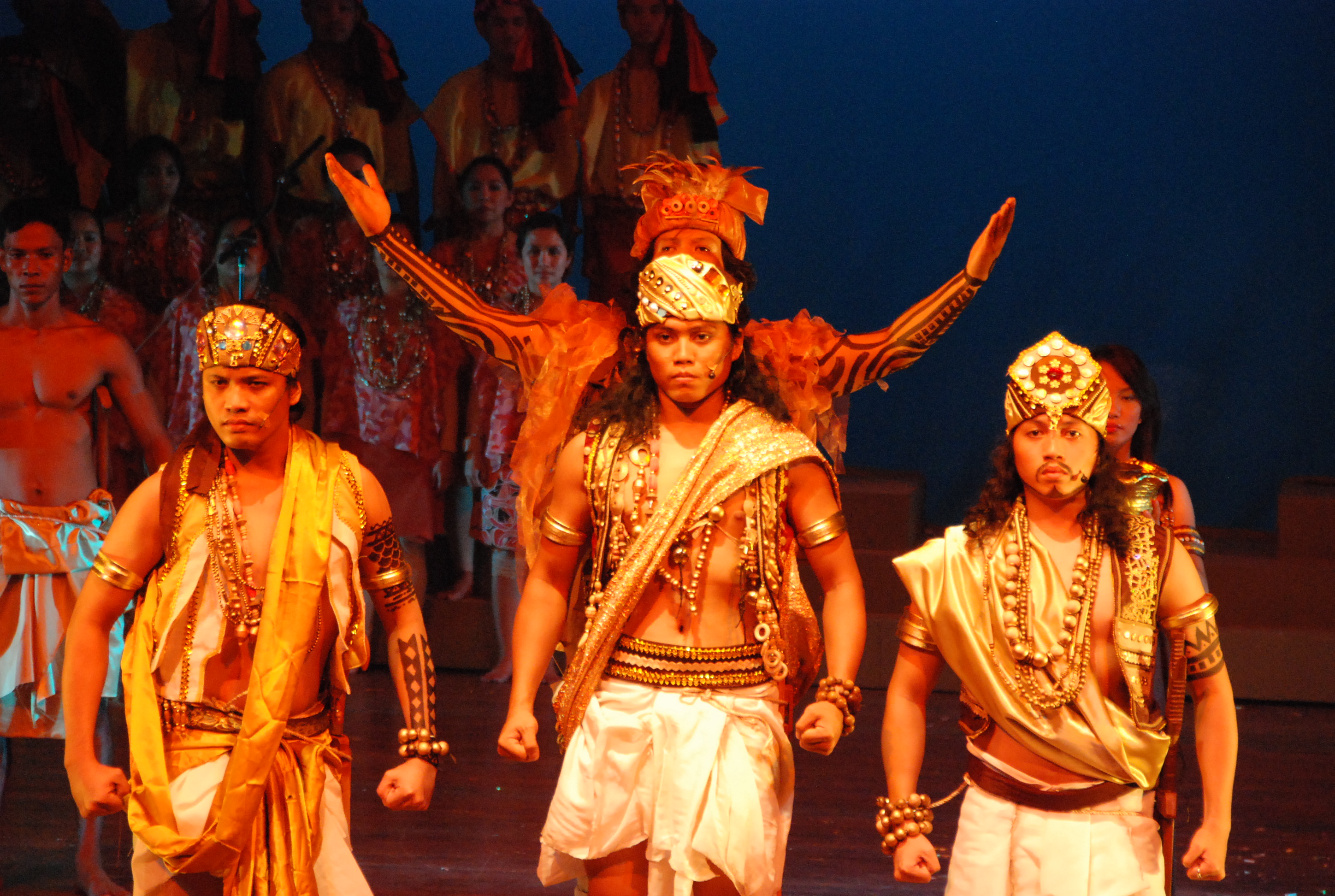
Hinilawod is a long Visayan epic chant that tells the adventures of ancient heroes Labaw Donggon, Humadapnon, and Dumalapdap. Traditional storytellers perform the epic through rhythmic chanting, dramatic expression, and audience interaction. The performance was sung during special gatherings, ceremonies, and community events. It reflects the values, beliefs, and heroic traditions of early Visayan culture.

Pangalay Narrative Performance

Artist: Tausug Performers
Year: Pre‑colonial period (before 1521)
Origin: Sulu

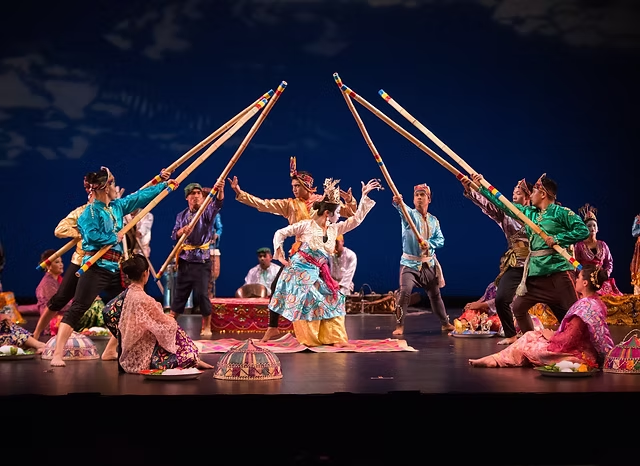
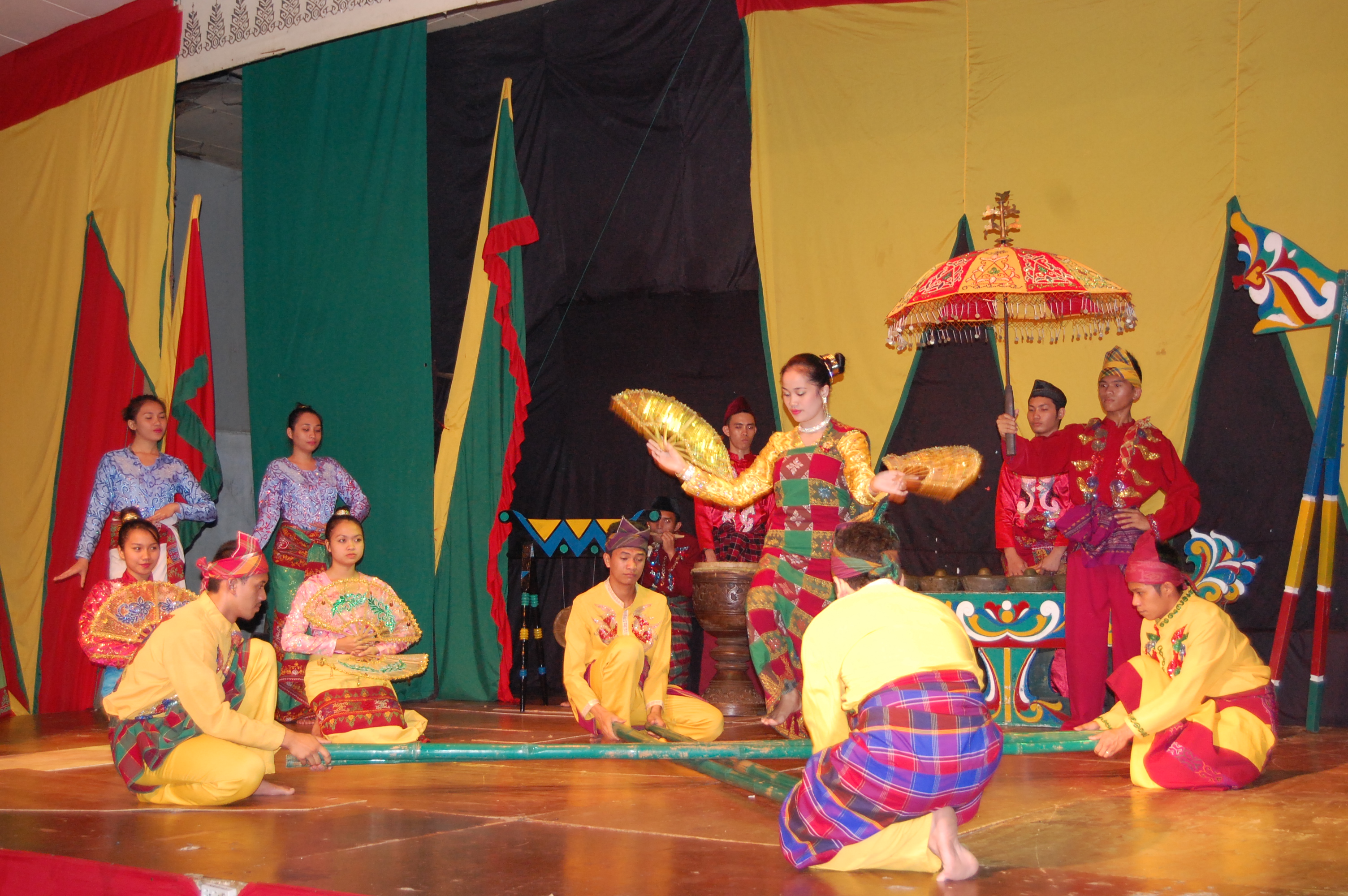
Pangalay is a traditional Tausug performative dance with dramatic elements and slow, expressive movements. Although often categorized as dance, it includes storytelling gestures, costumes, and symbolic actions that link it to narrative performance art. It was originally performed during weddings and celebrations to express grace, spirituality, and social identity. Today, Pangalay is widely showcased in cultural festivals and tourism events.

Hudhud Epic Chant Performances

Artist: Ifugao Community Chanters
Year: Pre-colonial period (before 1521)
Origin: Ifugao

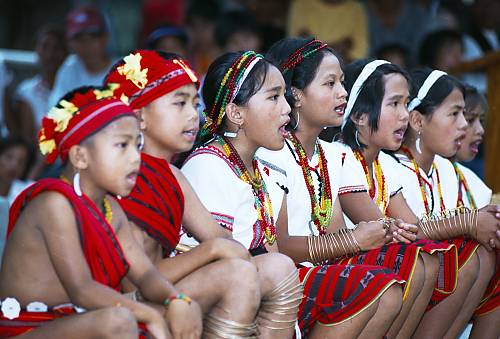
Hudhud is an epic chant performance traditionally sung by Ifugao community chanters, often elder women who memorize long heroic stories. The chant is performed during harvest seasons, funerals, and important rituals. A lead chanter narrates the story while others respond or join the chant, creating a dramatic storytelling performance. This tradition preserves the history, beliefs, and values of the Ifugao people.

Darangen Epic Performances

Artist: Maranao Storytellers (Onor)
Year: Pre-colonial period (before 1521)
Origin: Mindanao

Darangen is an ancient epic performance of the Maranao people that narrates heroic stories about legendary figures such as Prince Bantugan. The epic is performed through chanting, music, and dramatic narration by traditional storytellers. These performances were presented during important ceremonies and community gatherings. The Darangen preserves the cultural traditions, social values, and heroic ideals of the Maranao people.