Pre-Colonial Literature

Pre-colonial Philippine literature was a rich, primarily oral tradition that reflected the daily life, spiritual beliefs, and communal values of early Filipinos. It was deeply intertwined with other art forms, such as music, dance, and ritualistic performances.

Tanaga

Artist: Tagalog Ethnic Group
Year Created: 16th century
Origin: Luzon

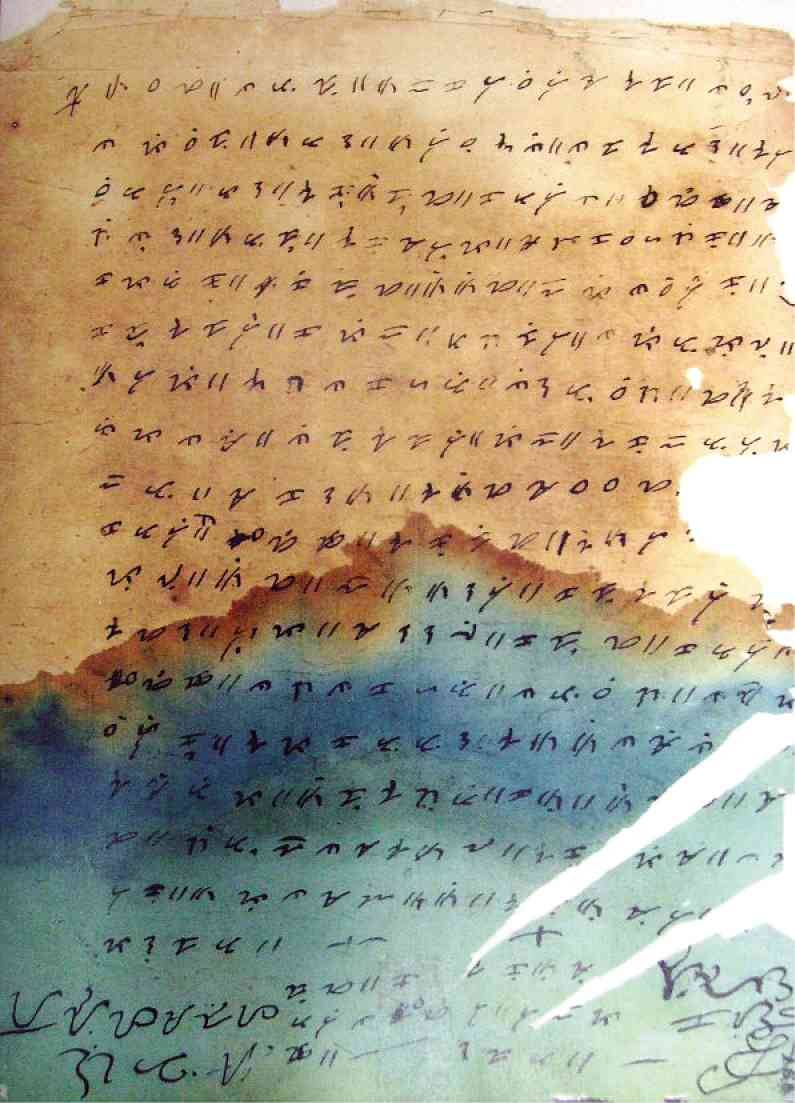
Tanaga is an indigenous Tagalog poem that dates back to the pre-colonial period, first appearing before Spanish colonization in the 1500s. It is characterized as a mono-rhyming heptasyllabic quatrain, consisting of four lines with seven syllables each (7-7-7-7) and sharing the same rhyme at the end of each line. Traditionally composed in Tagalog, tanaga was recited or chanted to express reflections, wisdom, and life lessons, making it an important part of early Filipino oral literature. It is considered more emotionally expressive than short proverbs, aligning closely with the folk lyric tradition.

Pamulinawen

Artist: Ilocano Ethnic Group
Year Created: Mid-to-late 1500s
Origin: Laoag City, Ilocos Norte

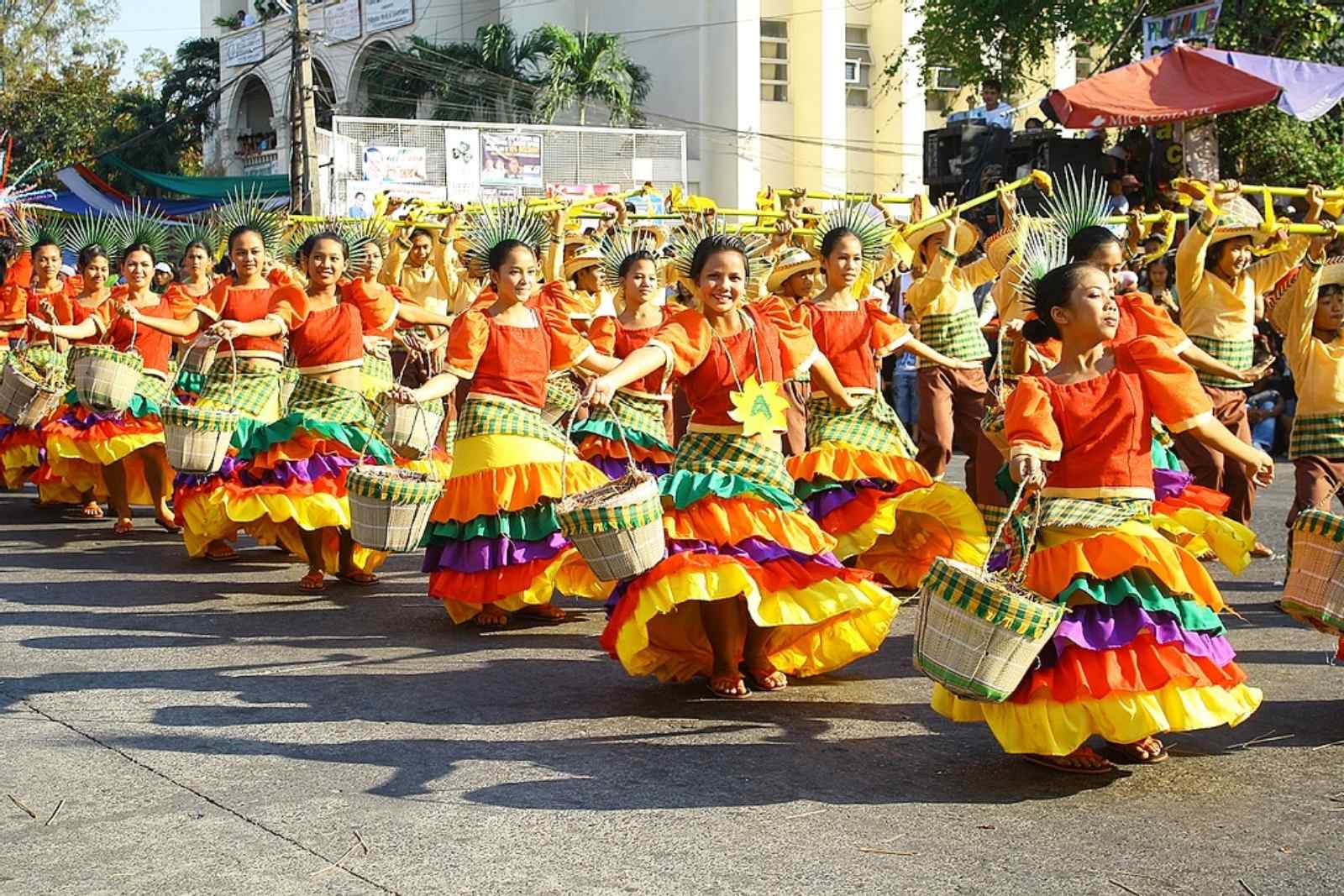
Pamulinawen is a pre-colonial Ilocano folk song depicting traditional courtship, where a man serenades a “hard-hearted” woman, symbolized by a stone or alabaster, who resists his pleas. The name “Pamulinawen” signifies a woman’s indifference or virtuous untouchability. The song highlights Ilocano romantic traditions, devotion, and high moral standards for women, and it remains celebrated today, particularly in the City of Laoag during the Pamulinawen Festival.

Biag ni Lam-ang

Artist: Ilocano (transcribed by Pedro Bucaneg)
Year Created: 15th century
Origin: Ilocandia, Philippines

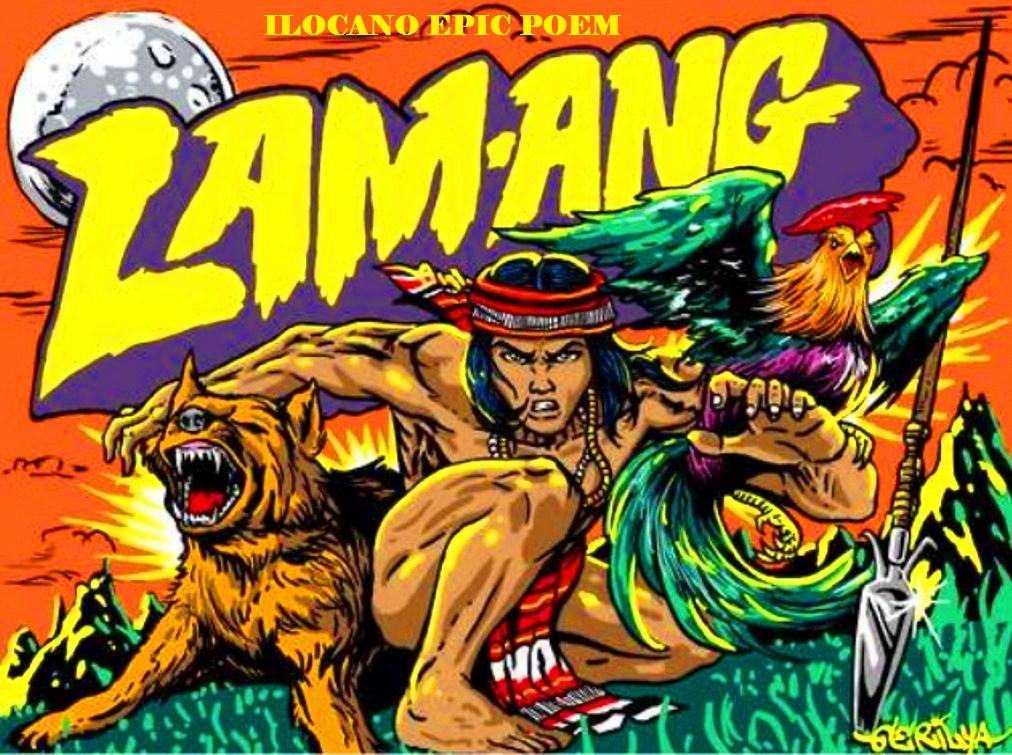
Biag ni Lam-ang is one of the first recorded Philippine folk epics, attributed to the blind poet Pedro Bucaneg. This pre-colonial Ilocano poem emphasizes themes of bravery, love, and family, reflecting the traditions and values of the Ilocano people. It blends indigenous, pre-colonial, and some Christianized Filipino traditions, showcasing the resilience and cultural identity of its people.

Si Malakas at si Maganda

Artist: Tagalog and Visayan Ethnic Group
Year Created: 15th century
Origin: Luzon and Visayas

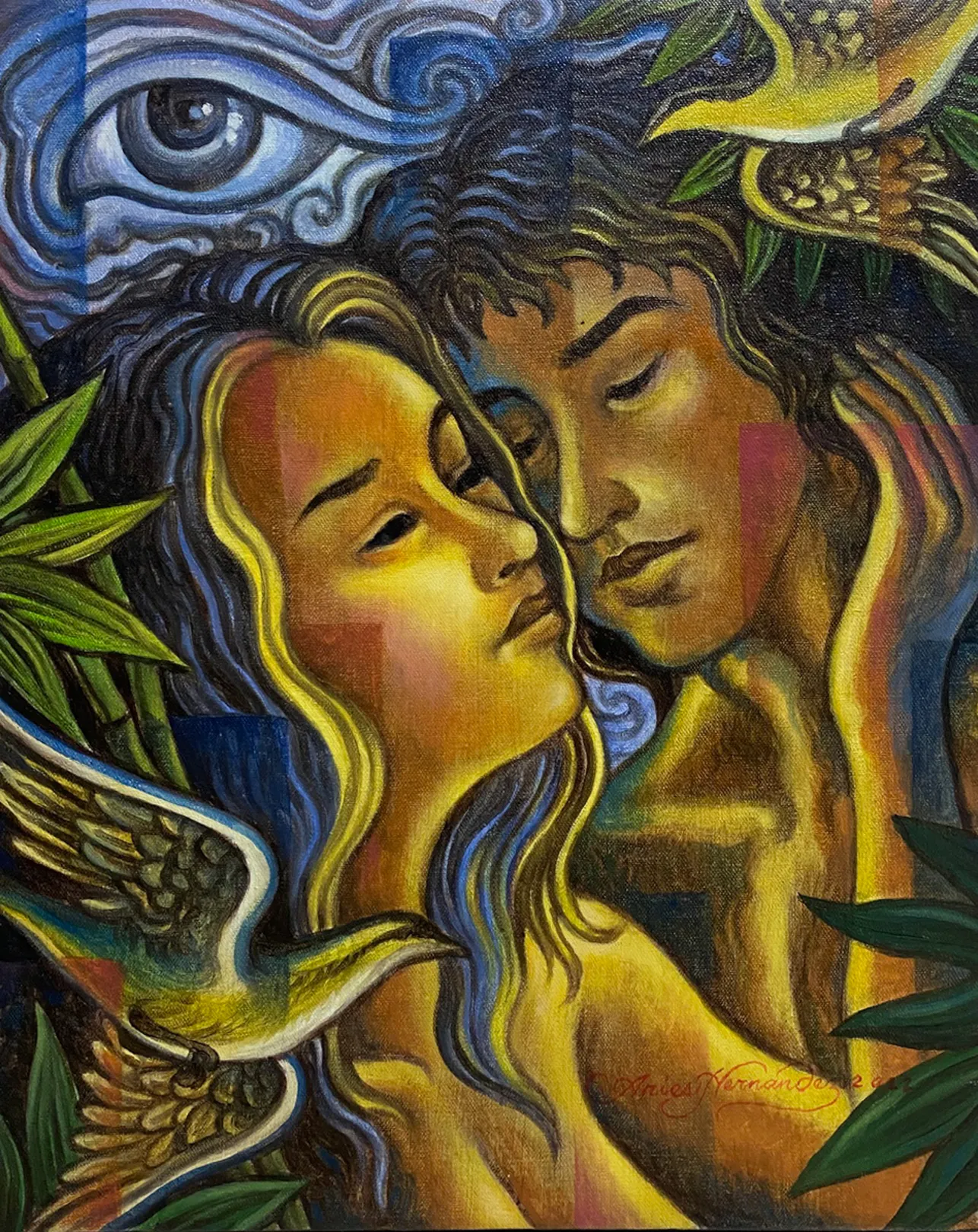
A key myth in Philippine culture, regarded as a purely pre-colonial Filipino story that illustrates early views on creation, society, and cultural values, Malakas at Maganda is a significant creation myth transmitted through oral tradition. It narrates the emergence of the first man and woman from a split bamboo stalk, representing gender equality, harmony with nature, and the beginnings of social classes and ethnic groups, highlighting indigenous Filipino beliefs about life, society, and the essential roles of men and women.

Isang butil ng palay, sakop ang buong bahay

Artist: Tagalog Ethnic Group
Year Created: 16th century
Origin: Luzon

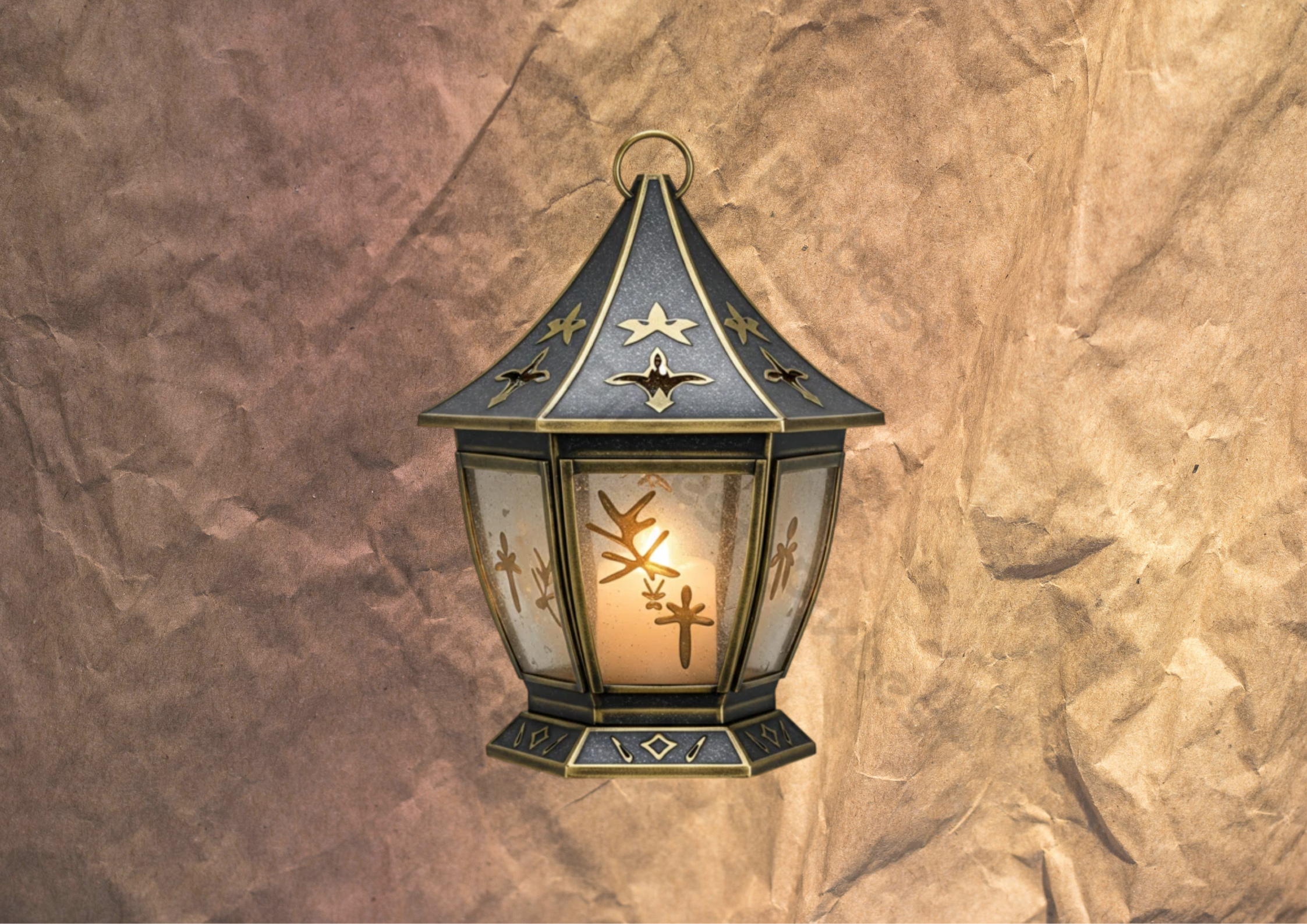
“Isang butil ng palay” is a classic Filipino riddle or bugtong that asks: “Isang butil ng palay, sakop ang buong bahay,” with the answer being Ilaw or Sulo. This riddle reflects the daily life and keen observation of early Filipinos of nature, emphasizing their wit, creativity, and use of imagery. Bugtong or riddle is acknowledged as a prime example of oral literature used to entertain and educate during the pre-Hispanic period.