American Music

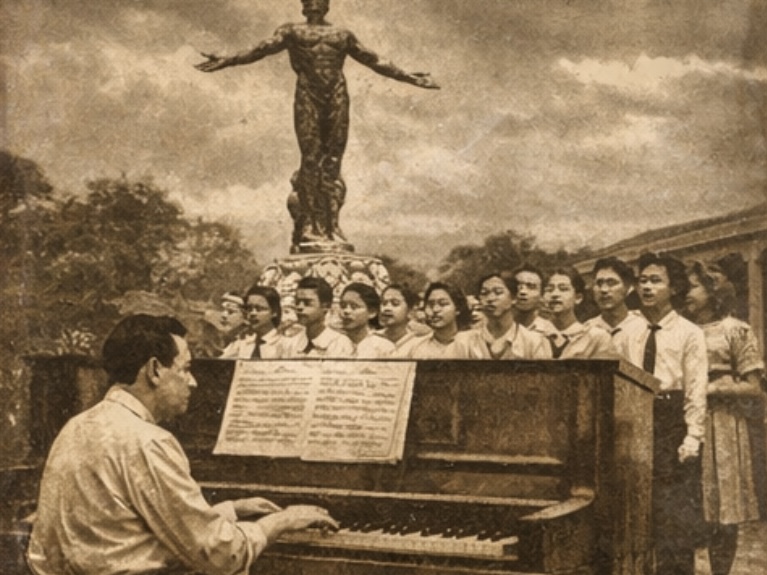
Music during the American period blended Western influences with Filipino traditions. Public education introduced formal musical training, giving rise to the kundiman, patriotic songs, and jazz performances that defined the era.

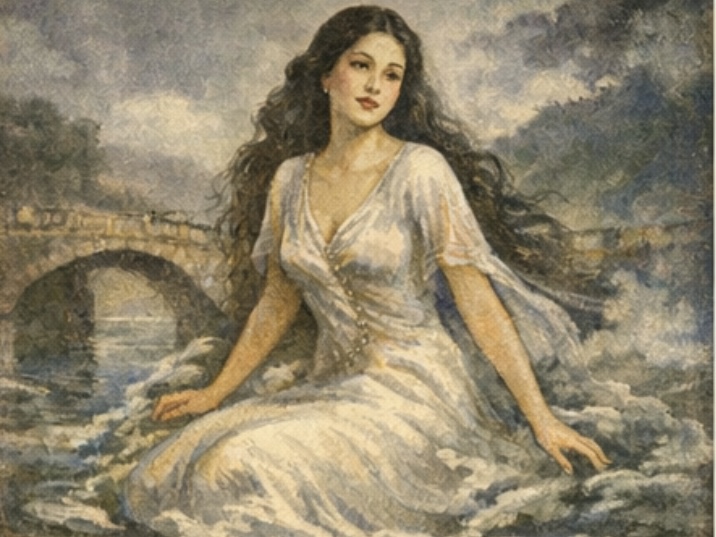
Mutya ng Pasig

Artist: Nicanor Abelardo
Year Created: 1926
Origin: Manila

"Mutya ng Pasig" is a kundiman composed by Nicanor Abelardo that tells the story of a mysterious muse living in the Pasig River. Created during the American period, the song reflects the blending of traditional Filipino music with Western musical training introduced through public education and conservatories. It represents the flourishing of Filipino musical creativity during a time of cultural transformation. The piece also highlights how Filipino composers maintained national identity while adapting foreign influences.

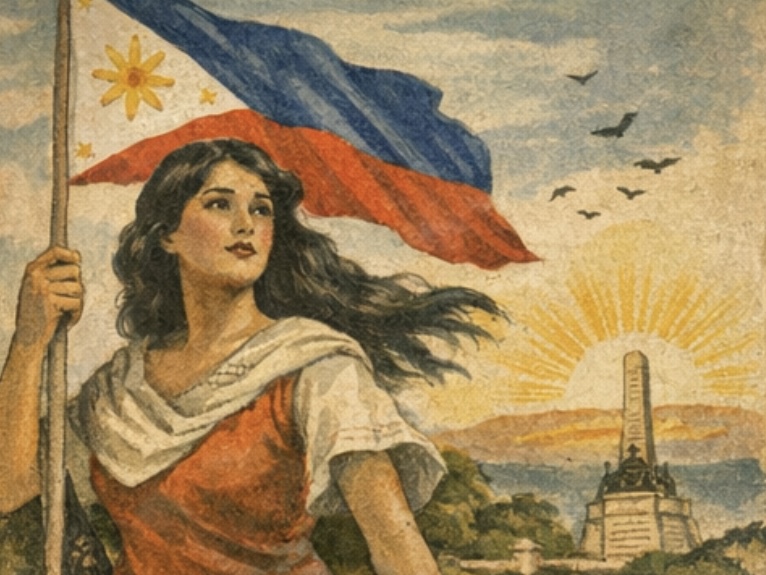
Bayan Ko

Artist: Constancio de Guzman
Year Created: 1929
Origin: Philippines

"Bayan Ko" is a patriotic song composed during the American colonial period that expresses the Filipino people's longing for freedom and independence. The song became widely known during the Commonwealth era, when the Philippines was preparing for self-government. Its lyrics symbolize nationalism and the desire for sovereignty. Over time, it became one of the most powerful protest and patriotic songs in Philippine history.

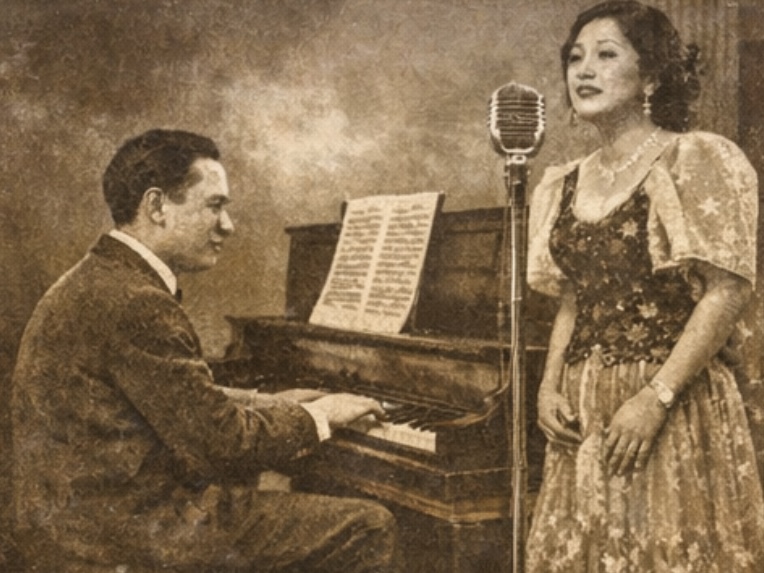
Nasaan Ka Irog

Artist: Nicanor Abelardo
Year Created: 1929
Origin: Philippines

"Nasaan Ka Irog" is another well-known kundiman by Nicanor Abelardo, showcasing the emotional and expressive style of Filipino art songs. During the American period, Filipino musicians received formal musical training through schools and conservatories influenced by Western education. This song reflects the artistic growth made possible by the public education system introduced by the Thomasites. It demonstrates how Filipino composers refined traditional musical forms with Western techniques.

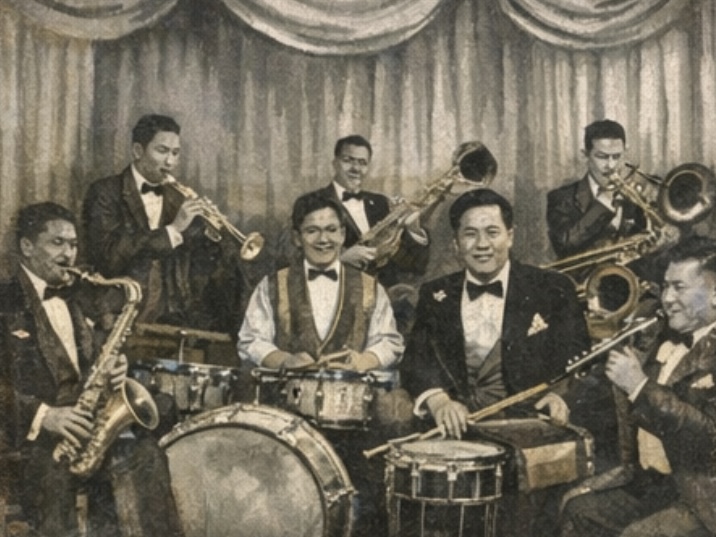
Jazz Band Performances in Manila (Bodabil Era)

Artist: Luis Borromeo
Year Created: 1920s
Origin: Manila

During the American era, jazz music became popular in the Philippines through stage shows known as bodabil. Luis Borromeo, often called the "King of Philippine Jazz," introduced jazz band performances that entertained urban audiences in theaters. These performances reflected the cultural influence of American music and entertainment. Jazz bands became a symbol of modernization and urban culture during the early 20th century.

Philippine Commonwealth Inaugural Music

Artist: Various Filipino Bands
Year Created: 1935
Origin: Manila

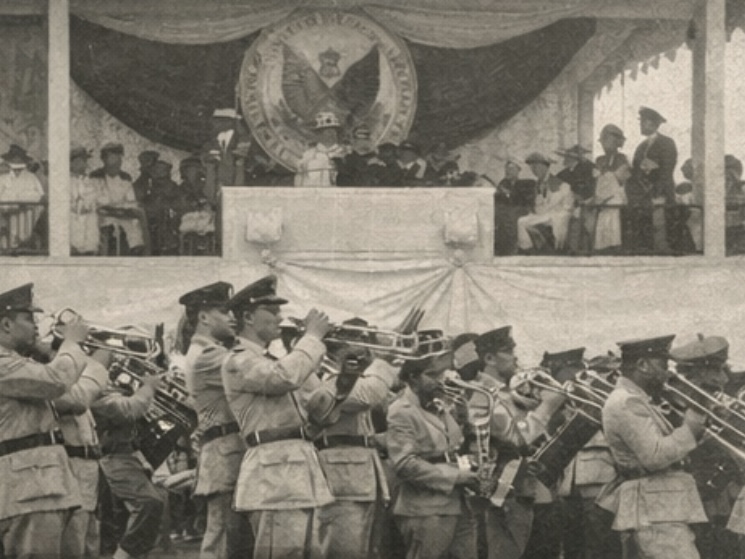
During the inauguration of the Commonwealth of the Philippines, bands performed patriotic and ceremonial music to celebrate the new Filipino government under American supervision. Military and public school bands played an important role in national celebrations and civic events. These performances symbolized the transition toward independence and the development of national identity. Music during this period often blended Western band traditions with Filipino patriotic themes.