Contemporary Literature

Contemporary literature in the Philippines focuses more on the national, political, and social issues to show the diverse reality. It often addresses issues like martial law, gender, poverty, corruption, and human rights violations in the country in diverse narratives in English, Tagalog, and different dialects in the country.

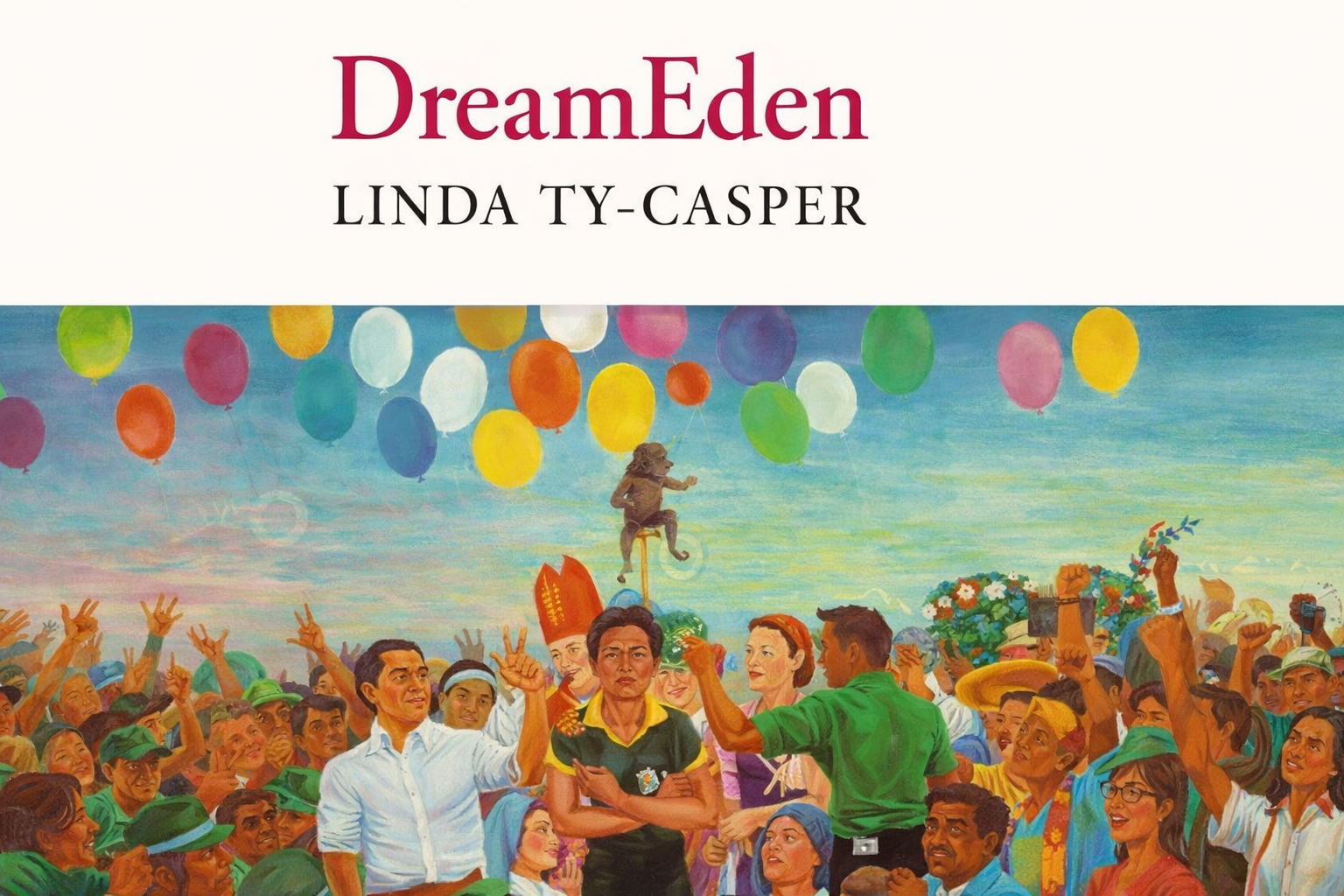
DreamEden

Author: Linda Ty-Casper
Year Created: 1996

Recent events in the Philippines―the 1986 People Power Revolution, the ouster of President Marcos, the election of Corazon Aquino, and the coup of 1989―are the backdrop of this new novel by a celebrated Filipina writer. She focuses on the experienes of the people in and beyond Gulod a barrio that “has spread like a field sown by a blind hand” on the outskirts of Manila, on the fringes of power, in the tangled roots of dreams. The story is told through the conflicting lives and ambitions of disillusioned lawyer Benhur, the politician Osang for whom he works, Osong’s wife Sally, the retired Col. Moscoso, and many others whose potent but fragile hopes are shaped and destroyed in a context of ceaseless revolutionary change.

Ang Paboritiong libro ni Hudas

Author: Bob Ong
Year Created: 2003

Ang Paboritong Libro ni Hudas” by Bob Ong is a satirical and reflective book that blends humor with deep observations about life, society, and human nature. Each chapter is themed around one of the seven deadly sins, presenting stories and commentary on human flaws and moral weaknesses. Written in a casual, relatable style, the book mixes personal reflections, fiction, and satire, encouraging readers to laugh while reflecting on their own behaviors and societal absurdities.

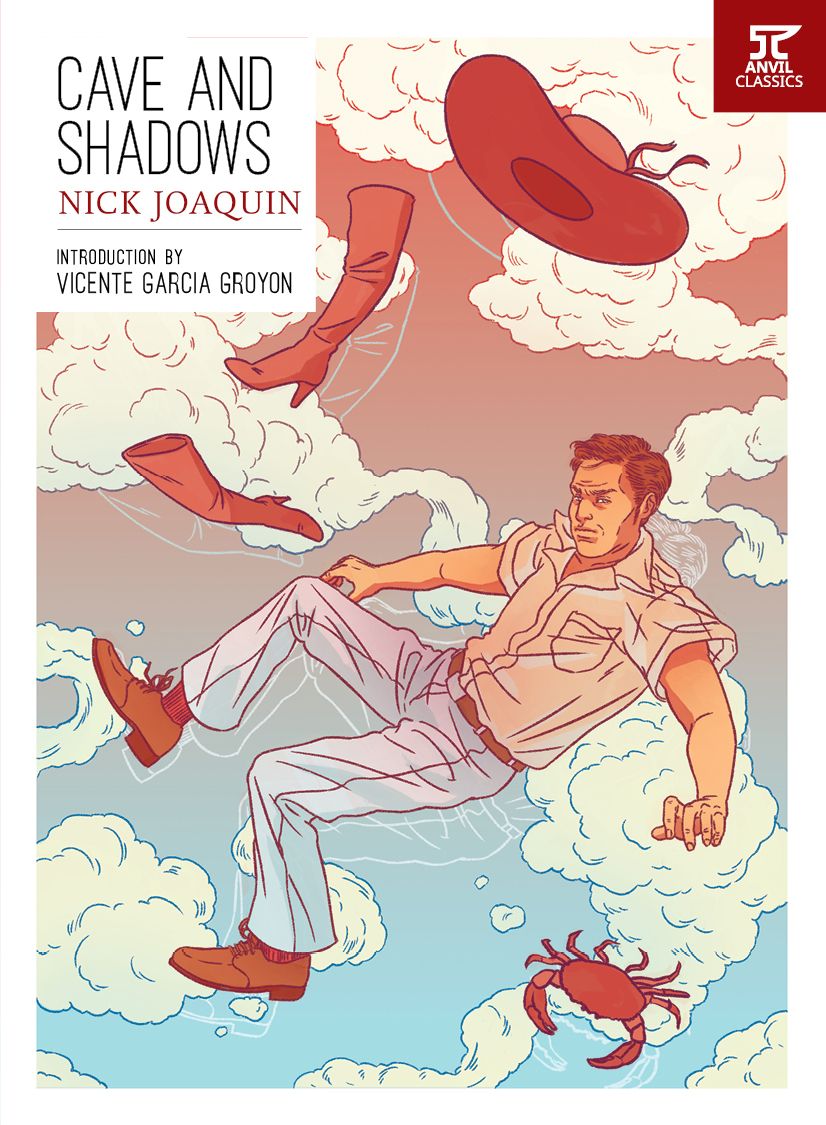
Cave and shadows

Author: NickJoaquin
Year Created: 1983

The setting of the novel is during Ferdinand Marcos’s martial law in the Philippines, including the time in Manila when activism was alive and demonstrations were frequent before August 1972 (described as Joaquin’s “‘objective correlative’ to the Crisis of ’72”), before the declaration of martial rule. It is a detective fiction that also deals with and arcane and historical cults involving beatas or “beatified women” (a group of religious lay women who were "repressed by a male-dominated, colonial order") and strange events occurring inside unfamiliar caves in the Metro Manila area. Other themes include politics, love, family, friendship, reconciliation, and tyranny.

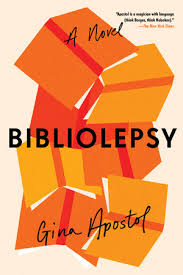
Bibliolepsy

Author: Gina Apostol
Year Created: 1997

BIBLIOLEPSY might be about revolution, but it is deeply introspective and inward-looking. In most ways, it is as much about a young woman developing her sense of herself as it is about a country moving toward political change. For Apostol’s protagonist, Primi Peregrino, that process of self-discovery is largely focused on sex…and reading. Primi is a self-described “bibliolept,” someone who is in love with books and, by extension, their authors. However, her youthful forays into relationships with actual authors often leave her far less satisfied than reading books by long-dead writers.

Smaller and Smaller Circles

Author: Felisa batacan
Year Created: 2002

A crime novel that follows two Jesuit priests investigating serial killings in Manila’s slums. It critiques systemic corruption, social inequality, and the failure of institutions to protect marginalized communities, reflecting contemporary urban challenges in the Philippines. As one of the most widely read Filipino crime novels, it has sparked public discourse on justice and governance while elevating Philippine literature’s global profile.