American Architecture

Architecture during the American period introduced Neoclassical and Art Deco styles, reshaping Philippine cities through government buildings, military structures, and public spaces that reflected American colonial influence and the push toward modernization.

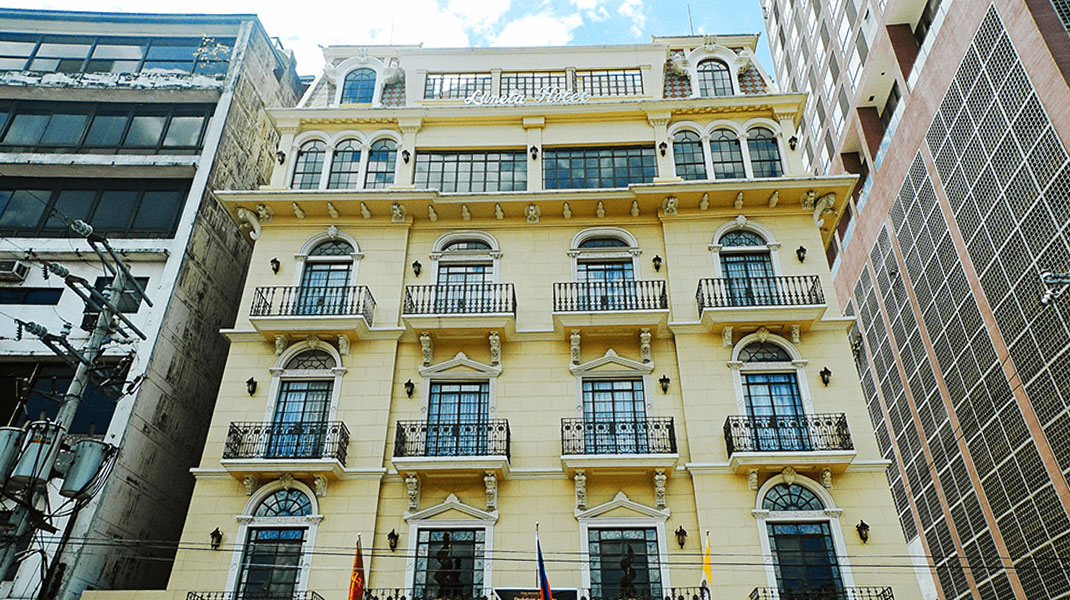
Luneta Hotel

Architect: Salvador Farre
Year Created: 1919
Origin: Kalaw Avenue, Ermita, Manila

Completed amidst the height of the American Era, The Luneta Hotel is the only remaining example of the French Renaissance architecture with a Filipino stylized Beaux-Arts architecture in the Philippines to date. It was designed to cater to the growing number of American officials and elite tourists, more commonly, Navy officers and sailors who survived the heavy shelling of World War II that leveled much of the surrounding district. As of today, The hotel stands as one of the few remaining architectures that survived the liberation of Manila in 1945. Its ornate balconies and mansard roof represent the cosmopolitan "Paris of the Orient" atmosphere that Manila aspired to during the early 20th century.

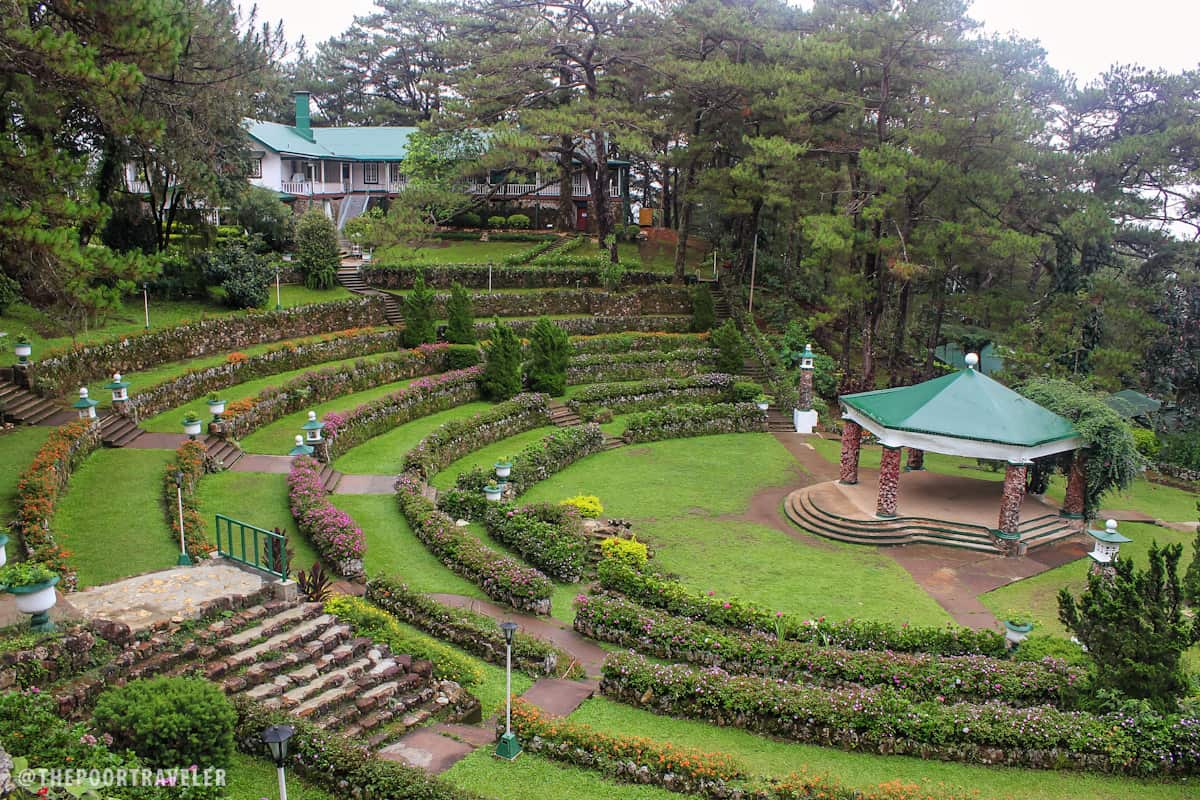
Camp John Hay

Architect: Daniel Burnham (Master Plan)
Year Created: 1903
Origin: Baguio City, Benguet

Also known as "Kafagway" by Ibalois locals, Camp John Hay was originally owned by Ibalois leader Mateo Carino, which was then established by Captain Robert Rudd for their 48th Infantry Unit to serve as a "military reservation for American soldiers" and a "refuge area for military personnel from the relative hotter temperature of the lowlands" in 1903. Since then, the Campsite was converted into John Hay Air Base after World War II under the control of the Americans and was officially turned over by the Philippine government on July 1, 1991 and was converted into a commercial development area as of today. The architecture features the "Cottage Style" and military barracks integrated into the natural landscape, reflecting the American colonial strategy of "sanitary cooling" and urban planning in the highlands. It stands as a symbol of the American transformation of Baguio into the Summer Capital of the Philippines.

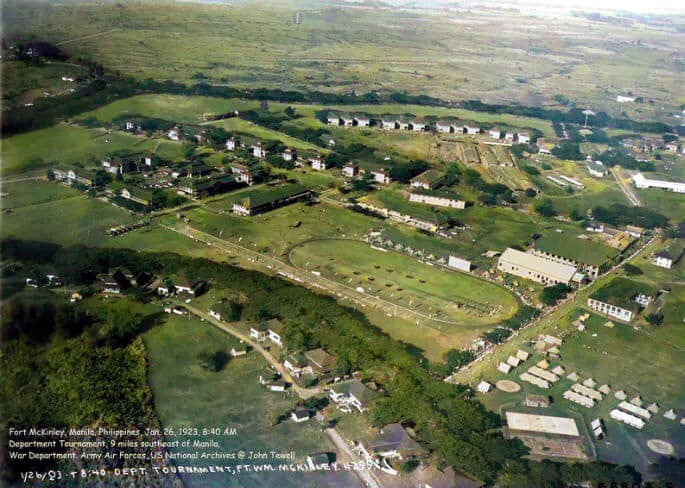
Fort William McKinley

Architect: Harry Allyn
Year Created: 1901
Origin: Taguig, Metro Manila (Present-day Bonifacio Global City)

Named after the U.S. President who issued the "Benevolent Assimilation" proclamation, Fort William McKinley was established during the Philippine-American War in 1901, situated at the south of Pasig River near Alabang and Manila with a 25-square mile reservation area. It was declared a U.S. military reservation by US Secretary of War Elihu Root which formed the 3rd Battalion of the 31st Infantry Regiment until 1920. The US then surrendered the fort's rights to the Republic of the Philippines in 1946 and later on, the military bases in May 14, 1949 to the Philippine government which was renamed as "Fort Bonifacio". Today, while much of the original greenery has been transformed into a financial district, the site represents the massive scale of American military infrastructure and its role in shaping the urban geography of modern-day Taguig.

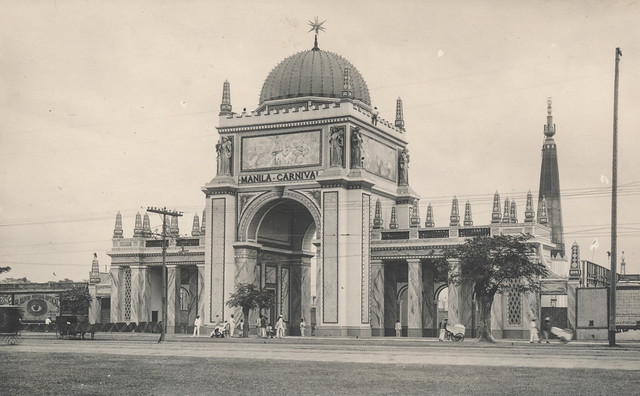
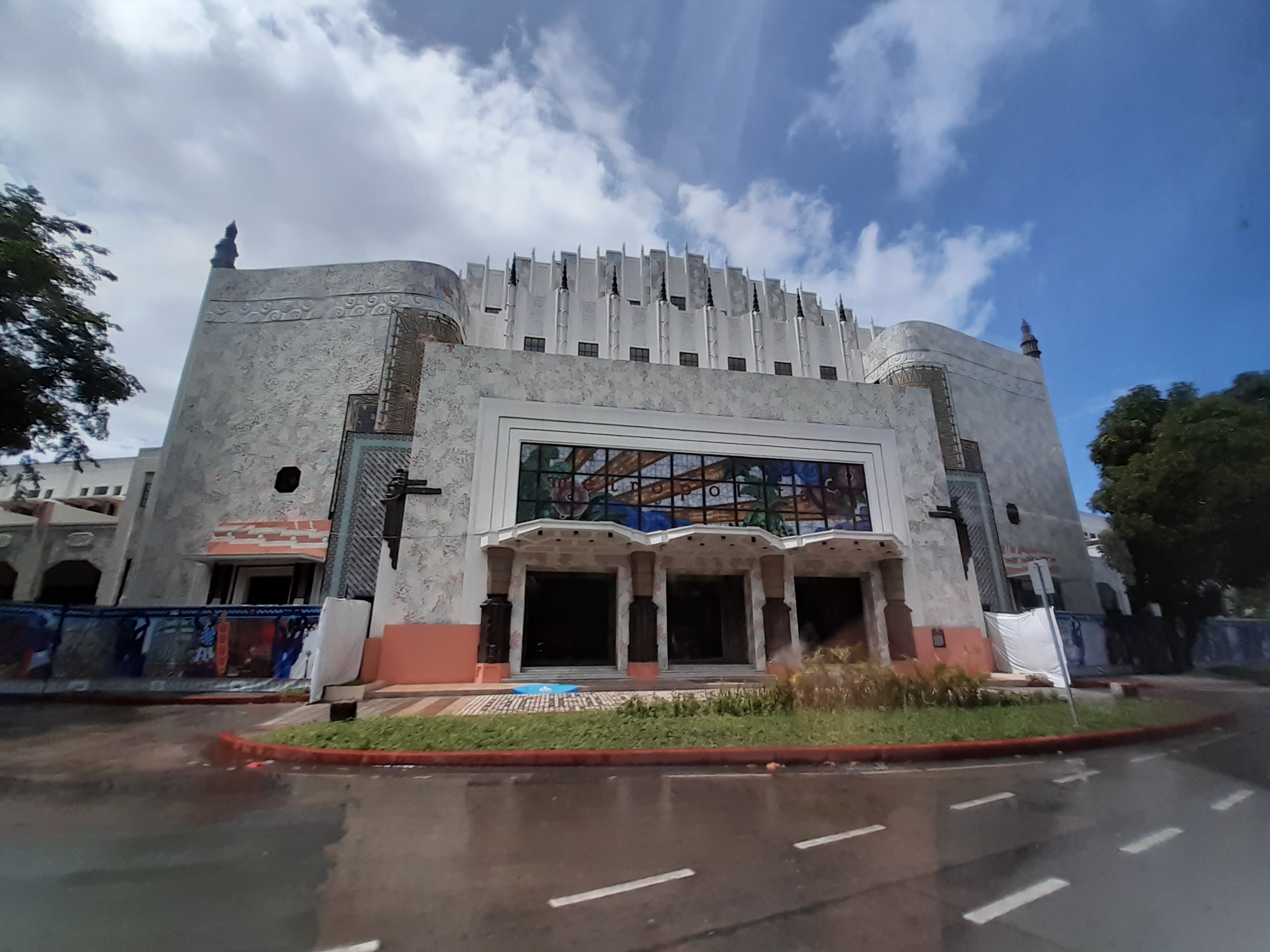
Manila Carnival Infrastructures

Architect: Carlos Barretto
Year Created: 1935
Origin: Wallace Field (now Luneta Park), Manila

Carlos Barretto, the first Filipino "pensionado" architect to graduate from the United States, designed the grand edifices for the 1935 Manila Carnival—an annual national exposition showcasing economic and cultural progress. His designs for the Main Gate and the Auditorium were built using exuberant Art Deco motifs, which was the prevailing style of the Commonwealth years. These structures, characterized by geometric forms and bold, modern lines, represented the Philippines' aspiration for modernization and the emergence of a distinct Filipino architectural identity that was global yet locally relevant.

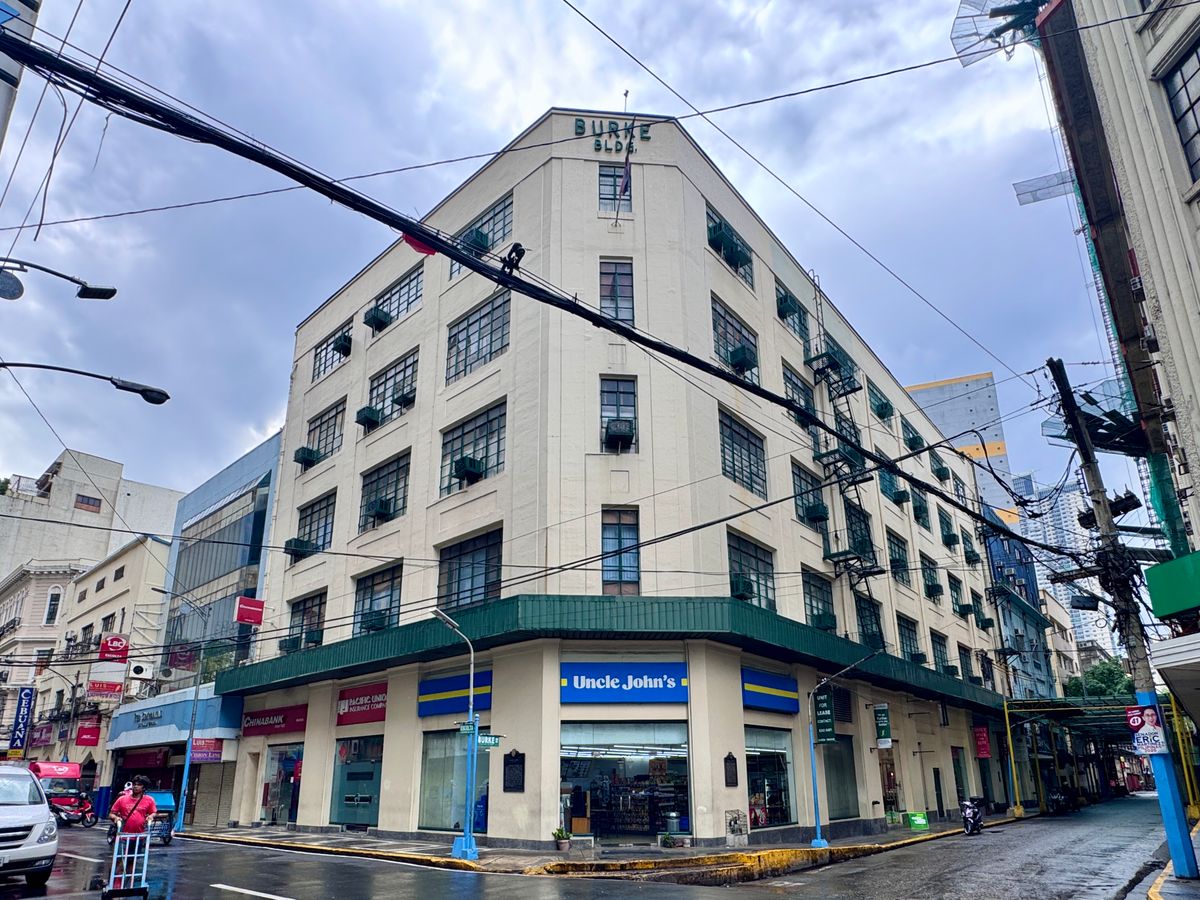
Burke Building

Architect: Tomas Arguelles
Year Created: 1919
Origin: Corner of Escolta, Binondo, Manila

Named after the cardiologist Dr. William J. Burke, this structure is historically significant for housing the first elevator in the Philippines. Its architecture reflects the transition from the ornate styles of the Spanish era to the functional, reinforced concrete commercialism of the American Colonial Period. Located in the heart of the "Wall Street of the Philippines," the Burke Building represents the rapid modernization of Manila's business district under American economic influence.