Contemporary Architecture

Contemporary Philippine architecture has moved past just copying glass towers from the West. Today, it’s about a "Tropical Modernity" that actually feels like home. It’s a mix of high-tech innovation and the kind of common-sense wisdom our grandparents used when building the bahay kubo.

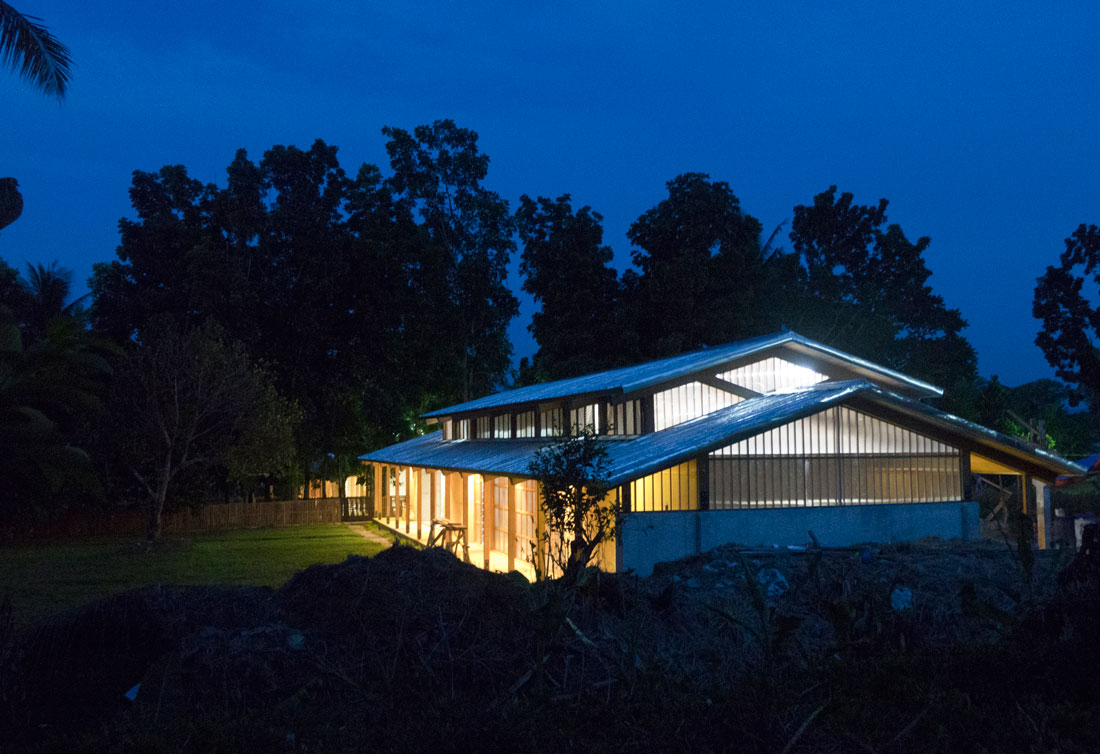
Streetlight Tagpuro

Artists/Architects: Eriksson Furunes + Leandro V. Locsin Partners
Year Created: 2016
Origin: Tacloban, Leyte

Formed in the aftermath of Super Typhoon Haiyan (Yolanda), this orphanage and community center is a landmark for modern civil movements regarding disaster resilience. The design was "co-created" with the local community through workshops, turning the architectural process into a movement for healing and collective empowerment after a national tragedy.

The Ark (Emergency Quarantine Facility)

Artists/Architects: WTA Architecture and Design Studio
Year Created: 2020
Origin: Various locations (First built in Manila)

Created at the height of the COVID-19 pandemic, these "Arks" were rapid-response structures designed to address the sudden healthcare crisis. They represent a contemporary shift where architecture becomes a "plug-and-play" tool for current events, using open-source digital blueprints that could be downloaded and built by anyone with basic materials.

Tagaytay City Hall (New Design)

Artists/Architects: WTA Architecture and Design Studio
Year Created: 2023(Completion)
Origin: Tagaytay, Cavite

This building redefines the "City Hall" by focusing on transparency in governance, a key theme in modern Philippine civil discourse. Its "Vertical Civic Forum" design replaces the traditional fortress-like government office with open terraces and public spaces, symbolically and physically breaking down the barriers between the state and its citizens.

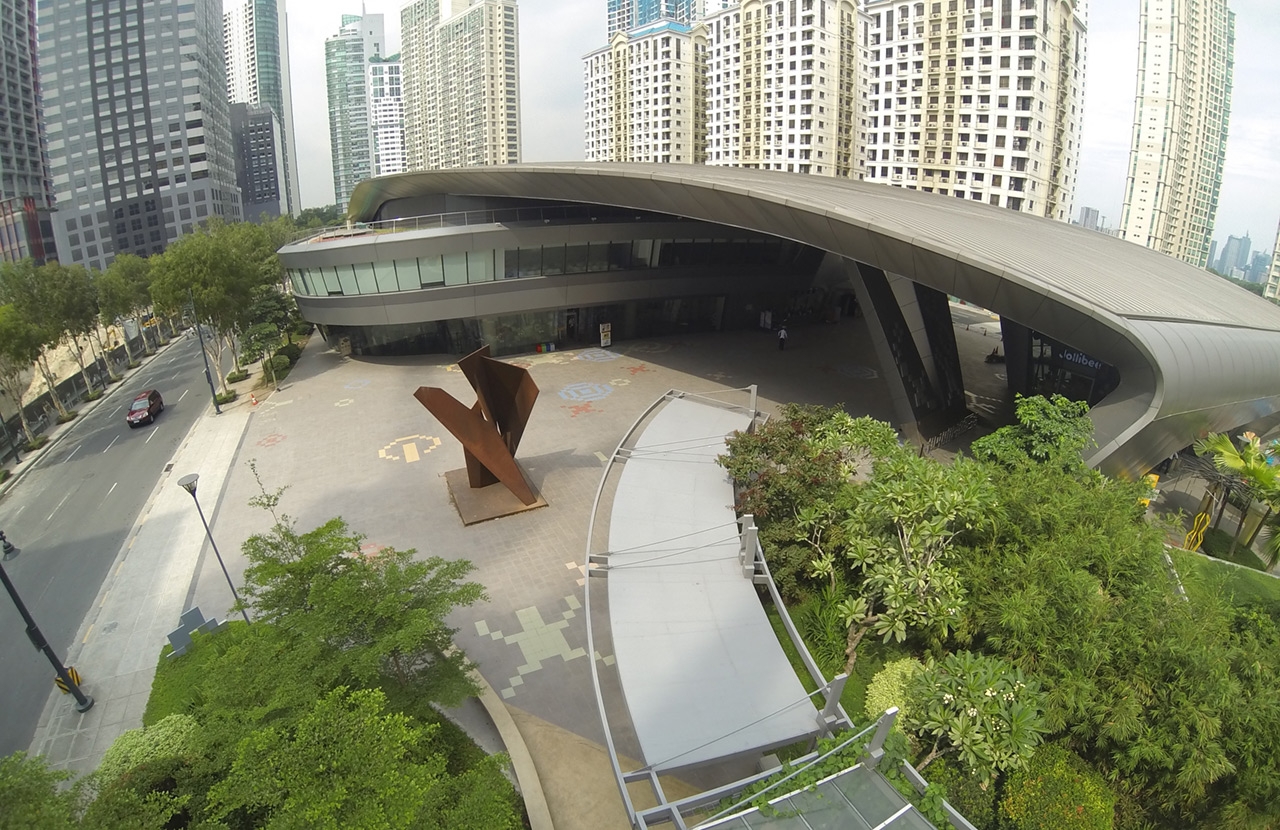
The Mind Museum

Artists/Architects: Lor Calma & Partners (Ed Calma)
Year Created: 2011
Origin: Bonifacio Global City (BGC), Taguig

Inspired by cellular structures and molecular forms, the building features an organic, fluid design. The "cracked" exterior and lack of straight lines represent the dynamism of science and nature.

Philippine Arena

Artists/Architects: Populous (Lead Architect)
Year Created: 2014
Origin: Ciudad de Victoria, Bocaue and Santa Maria, Bulacan

Recognized as the world's largest indoor arena, this structure was designed to handle massive gatherings and serve as a focal point for modern civil and religious movements. Its engineering focuses on disaster resilience, featuring a base-isolated design to withstand high-magnitude earthquakes, which is a critical concern in current regional safety standards. The arena has become a primary venue for major current events, from international sporting competitions to large-scale political and social assemblies, representing the Philippines' capacity to host global-scale digital and physical broadcasts.