Post-War Theatre

Post-war Philippine theatre tackled the real struggles of Filipino life, including poverty, family sacrifice, and the tension between traditional values and modern influences brought by Western culture after the war. Playwrights used both realistic and experimental storytelling to highlight social injustice, inequality, and the hardships faced by ordinary and marginalized Filipinos during the post-war rebuilding period. Theatre also became a space to examine deeper cultural questions around identity, gender roles, and national pride, making it a powerful mirror of Philippine society during this transformative era.

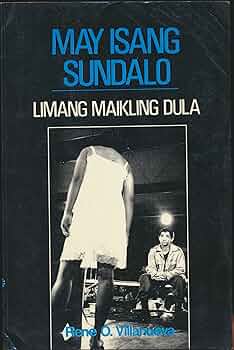
May Isang Sundalo

Artist: Rene O. Villanueva
Year Created: 1985
Origin: Philippines

May Isang Sundalo is a dramatic play that examines the life of a soldier and the emotional and physical hardships that come with serving the nation. It also portrays the deep worries, sacrifices, and emotional pain experienced by the families left behind. Through themes of courage, patriotism, and sacrifice, the play reminds audiences about the human cost of war and the importance of peace.

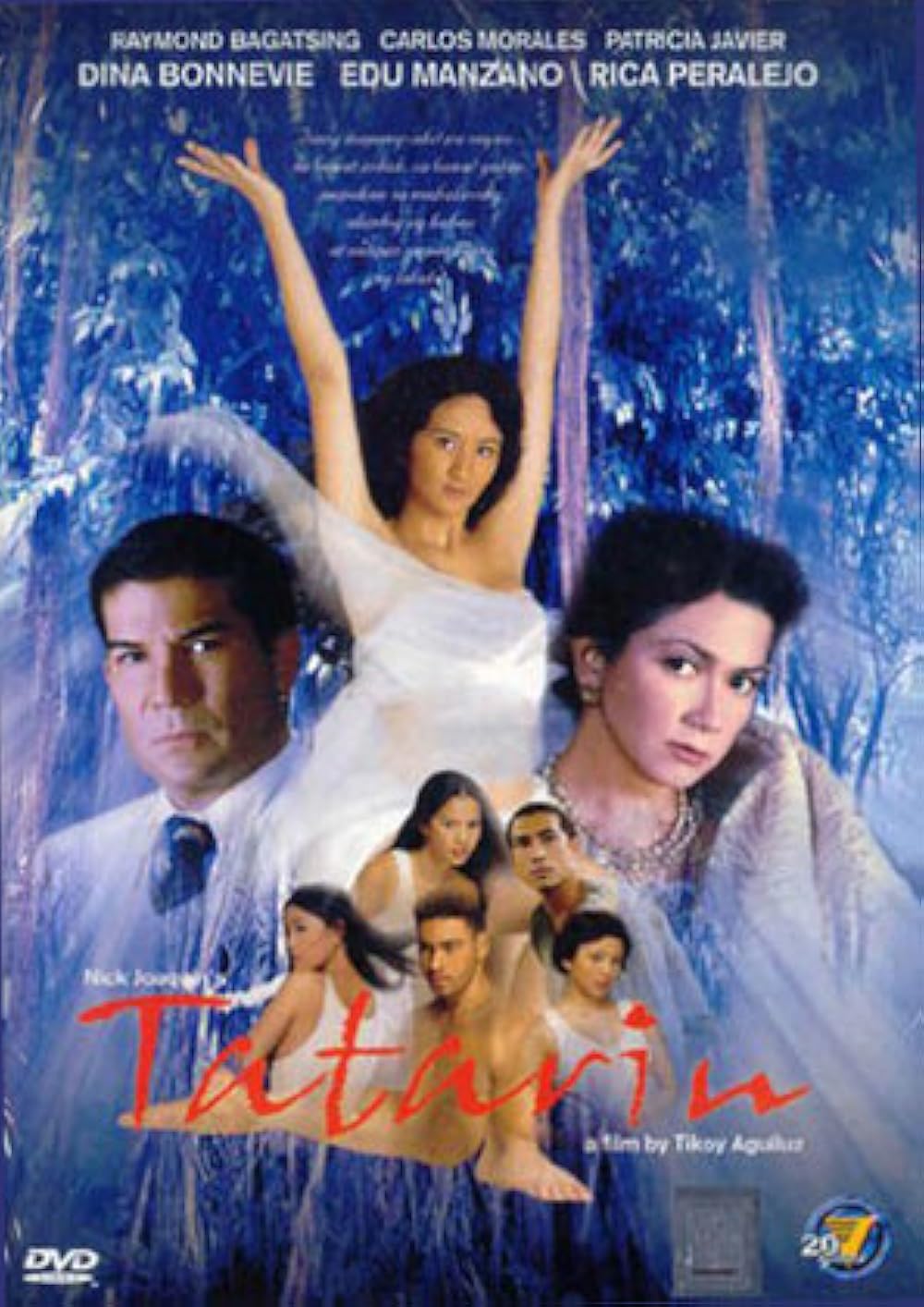
Tatarin

Artist: Rolando S. Tinio
Year Created: 1972
Origin: Philippines

Tatarin is a play inspired by a traditional Filipino ritual during the feast of St. John the Baptist, where women symbolically gain temporary authority over men. Through this unique tradition, the play explores gender roles and the hidden power of women in society, as well as the tension between long-standing cultural traditions and modern ideas. It reveals deeper social issues about power, identity, and the role of women in Philippine culture.

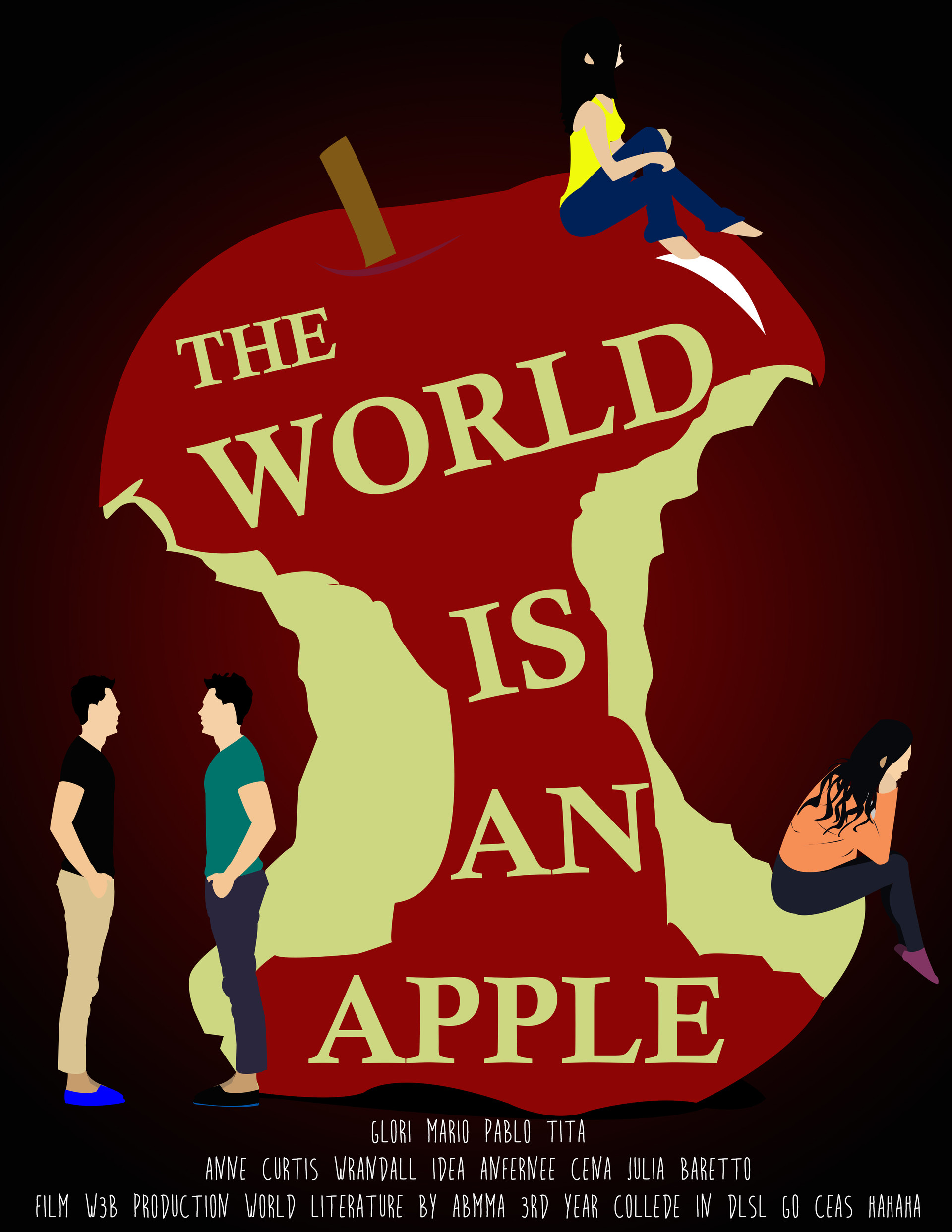
The World Is an Apple

Artist: Alberto S. Florentino
Year Created: 1959
Origin: Philippines

The World Is an Apple is a realistic play that reflects the poverty experienced by many Filipino families after World War II. It follows a poor father who steals an apple to feed his hungry daughter, causing serious conflict with his wife and testing his moral values. The play represents the social and economic struggles faced by ordinary Filipinos during the post-war rebuilding period.

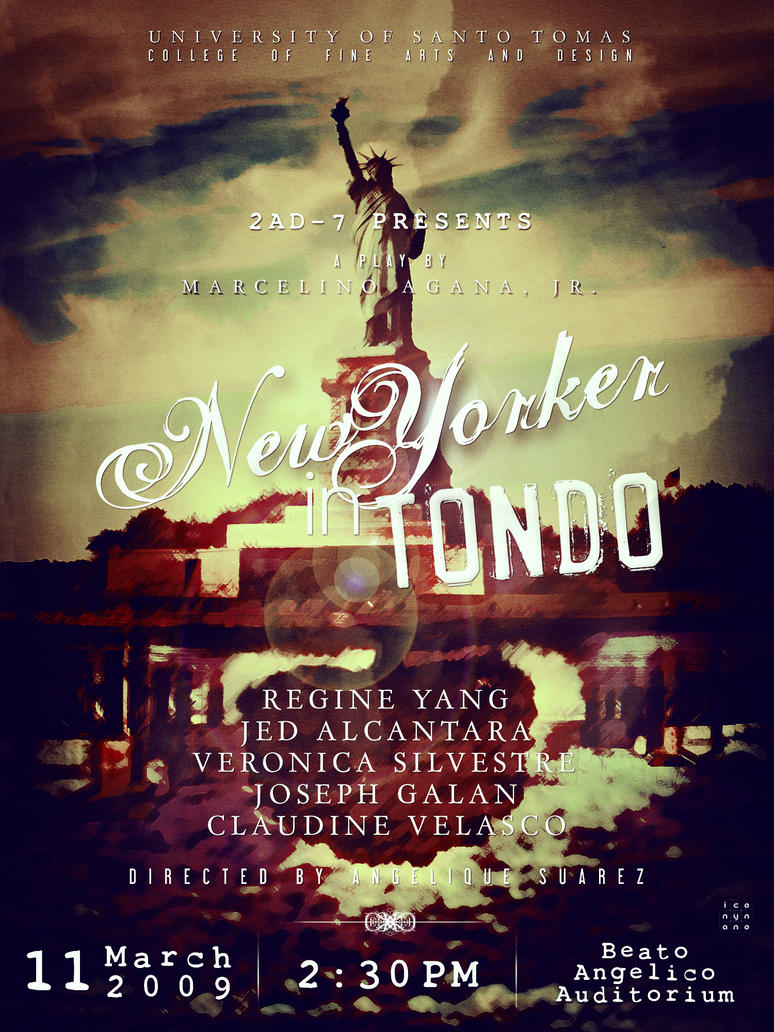
New Yorker in Tondo

Artist: Marcelino Agana Jr.
Year Created: 1956
Origin: Manila, Philippines

New Yorker in Tondo is a comedy play set in the lively community of Tondo, revolving around a Filipino man who returns from the United States and begins acting like an American. His behavior creates humorous situations and misunderstandings with his family and neighbors. The play highlights the strong American cultural influence in the Philippines after World War II and the conflict between traditional Filipino values and Western lifestyle.

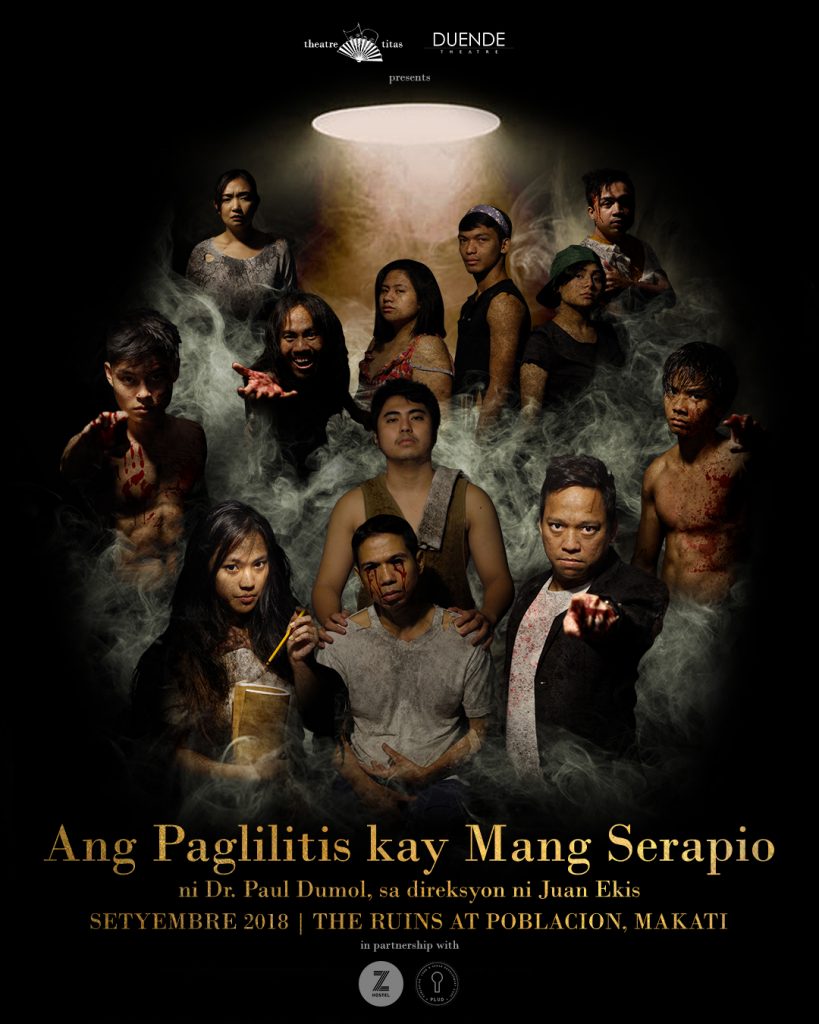
Ang Paglilitis ni Mang Serapio

Artist: Paul Stephen Lim
Year Created: 1969
Origin: Philippines

Ang Paglilitis ni Mang Serapio is an experimental play that uses symbolism and unusual staging to tell the story of a poor disabled beggar placed on trial by a mysterious group for rules he did not fully understand. Through dramatic and symbolic scenes, it exposes injustice, cruelty, and the lack of compassion in society. The play serves as a powerful criticism of poverty, inequality, and the treatment of marginalized people in post-war Philippine society.