Pre-Colonial Dance

Pre-colonial Philippine dances are indigenous performing arts characterized as spiritual, imitative, and communal expressions of daily life. These dances functioned primarily as rituals to appease gods, celebrate harvests, or prepare for war, rather than for entertainment.

Sagayan

From: Maguindanao and Maranao People
Origin: Mindanao

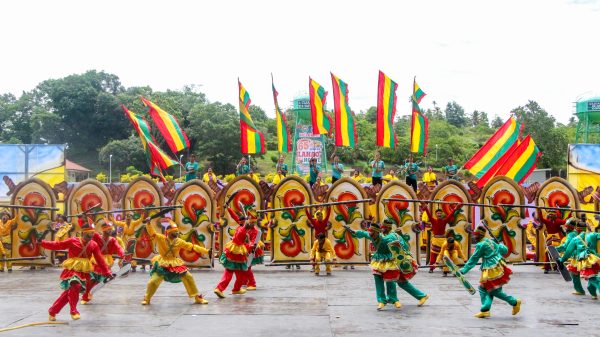
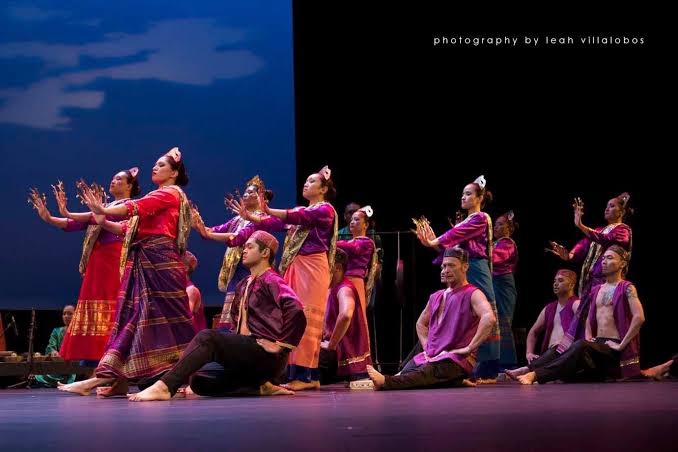
The Maguindanao and Maranao warriors performed Sagayan as their pre-colonial battle dance before and after fights. The dance shows strength, courage, and readiness through powerful movements while holding shields and swords. The Mindanao indigenous groups used this display to show their military valor and traditional warrior customs.

Kadal Tahu

From: T’boli People
Origin: South Cotabato, Mindanao

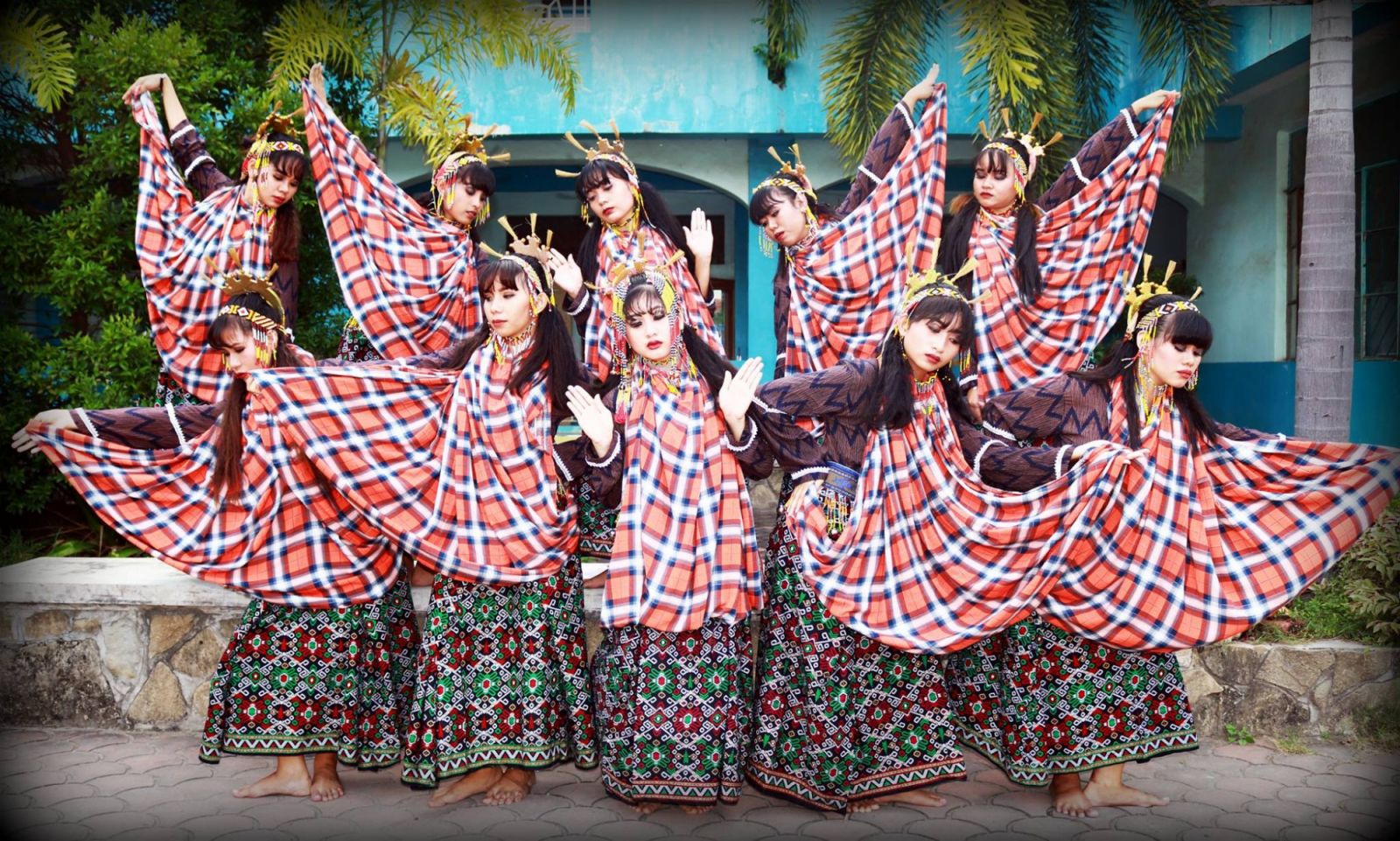
Kadal Tahu is a bird-inspired dance performed by the T'boli people. The dancers move their bodies to mimic the flying patterns and graceful movements of birds which inhabit their forested areas. The dance shows how T'boli people maintain their deep bond with nature and their cultural traditions which are inspired by animals.

Kadal Blelah

From: T’boli People
Origin: Lake Sebu, Mindanao

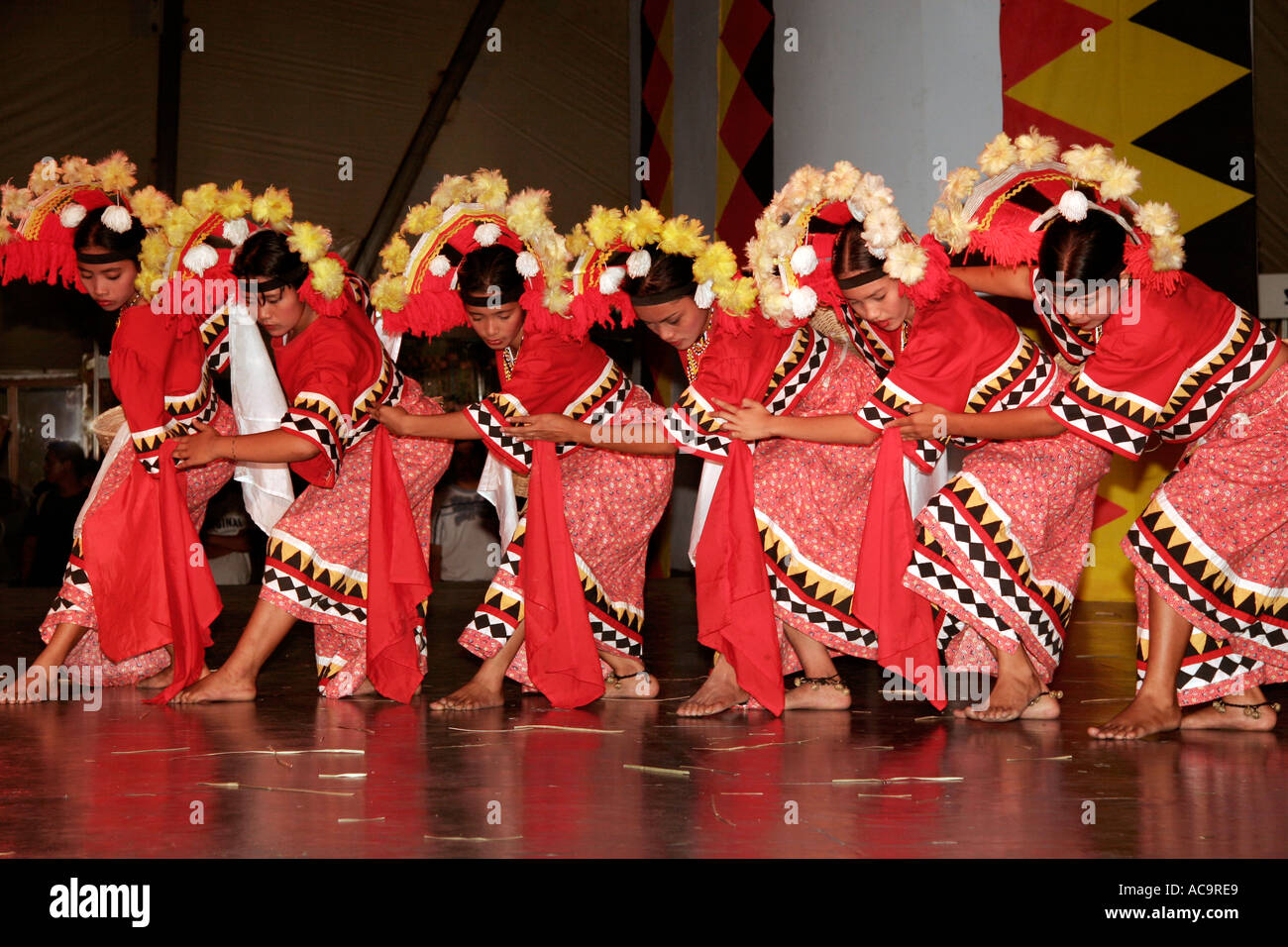
The T'boli people perform Kadal Blelah as their traditional dance to celebrate their successful harvest. Dancers move rhythmically to show happiness and gratitude for the abundance of crops. T'boli culture exhibits both agricultural practices and community celebration through its dance performance.

Dugso

From: Manobo People
Origin: Bukidnon, Mindanao

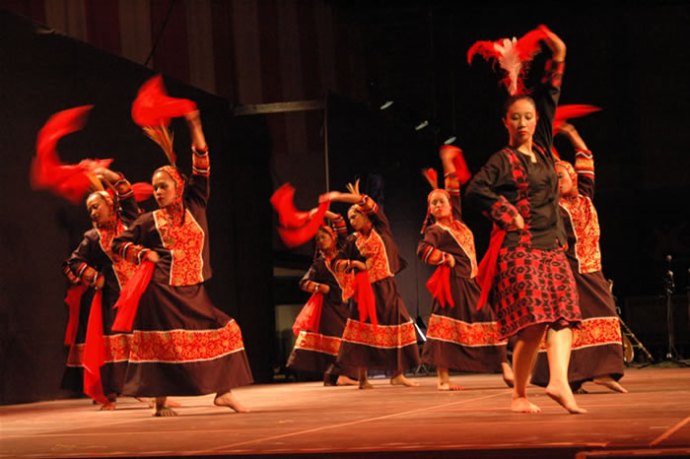
The Manobo people use Dugso as their ceremonial dance for their essential rituals and special celebrations. The dancers perform movements that remain graceful while creating continuous motion, which traditional musical instruments accompany. The dance represents a tribute to spirits, while it shows the Manobo people their religious beliefs.

Idudu

From: Bontoc People
Origin: Mountain Province, Cordillera

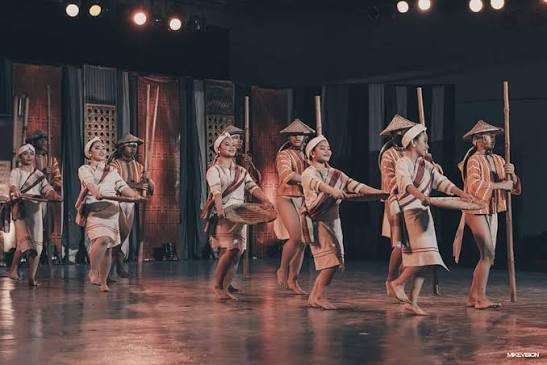
Idudu is a dance that represents family roles and daily life in the Bontoc community. The performance shows a father who takes care of his child while his wife works in the fields. The dance shows how indigenous Cordillera societies value their people through their customs of working together and sharing family duties and showing respect.