Pre-Colonial Architecture

Pre-colonial Philippine architecture refers to the indigenous building traditions existing before Spanish colonization (pre-1565), characterized by sustainable, climate-responsive structures made from natural materials. It was defined by portability, community-based planning, and adaptation to a tropical, disaster-prone environment.

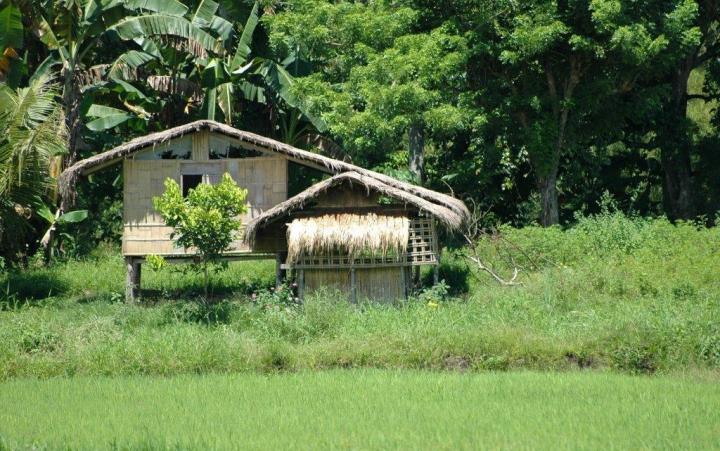
Bahay Kubo

Artist: Indigenous Filipino Builders
Year: early 1500s
Origin: Central Luzon

The bahay kubo is a classic stilted house made from bamboo, wood, and nipa or cogon roofing, elevated off the ground to protect against flooding and pests. It has a simple rectangular plan with an open floor to allow airflow, suitable for the tropical climate. These houses served as everyday dwellings for many lowland communities across the archipelago.

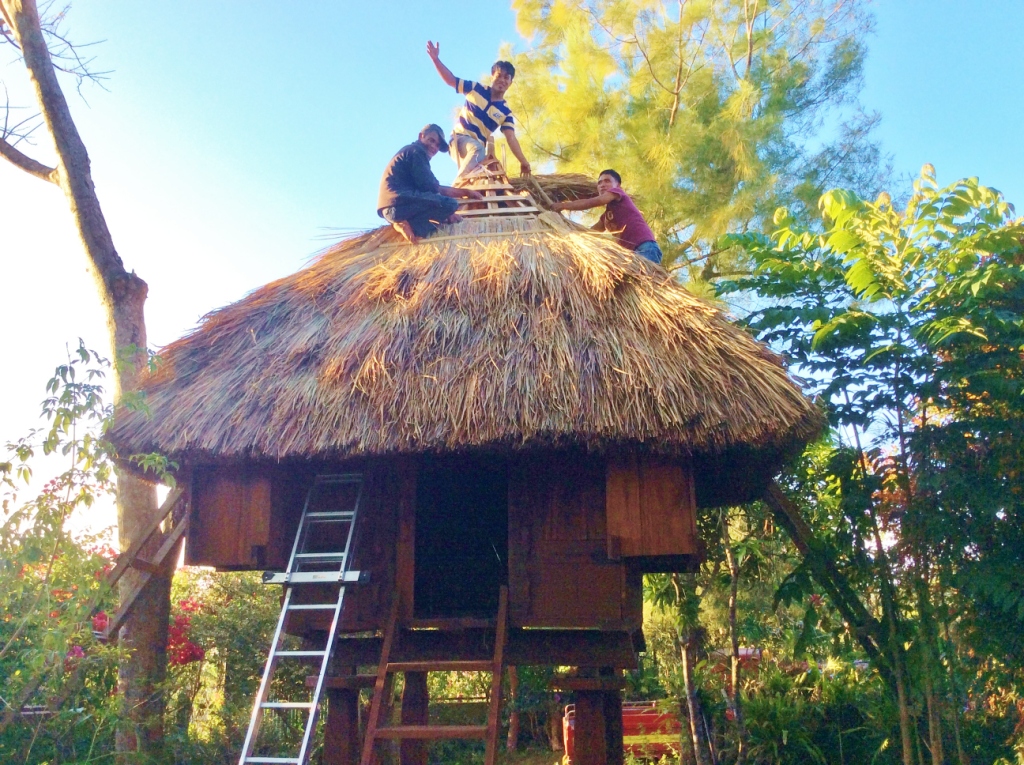
Bale (Ifugao House)

Artist: Ifugao Builders
Year: 1500s
Origin: Cordillera Highlands, Luzon

A bale is the elevated house of the Ifugao in the mountainous rice terrace regions; it stands on wooden posts with a thatched roof made from reeds or grasses. Built without nails, its design keeps living spaces above damp or uneven ground and maximizes airflow. The space underneath was often used for storage or work.

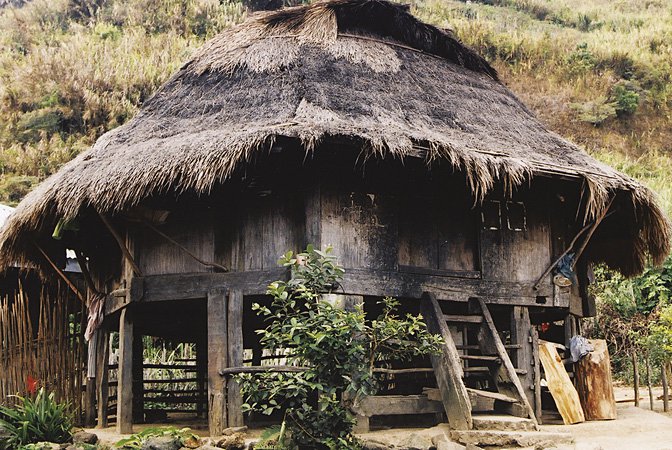
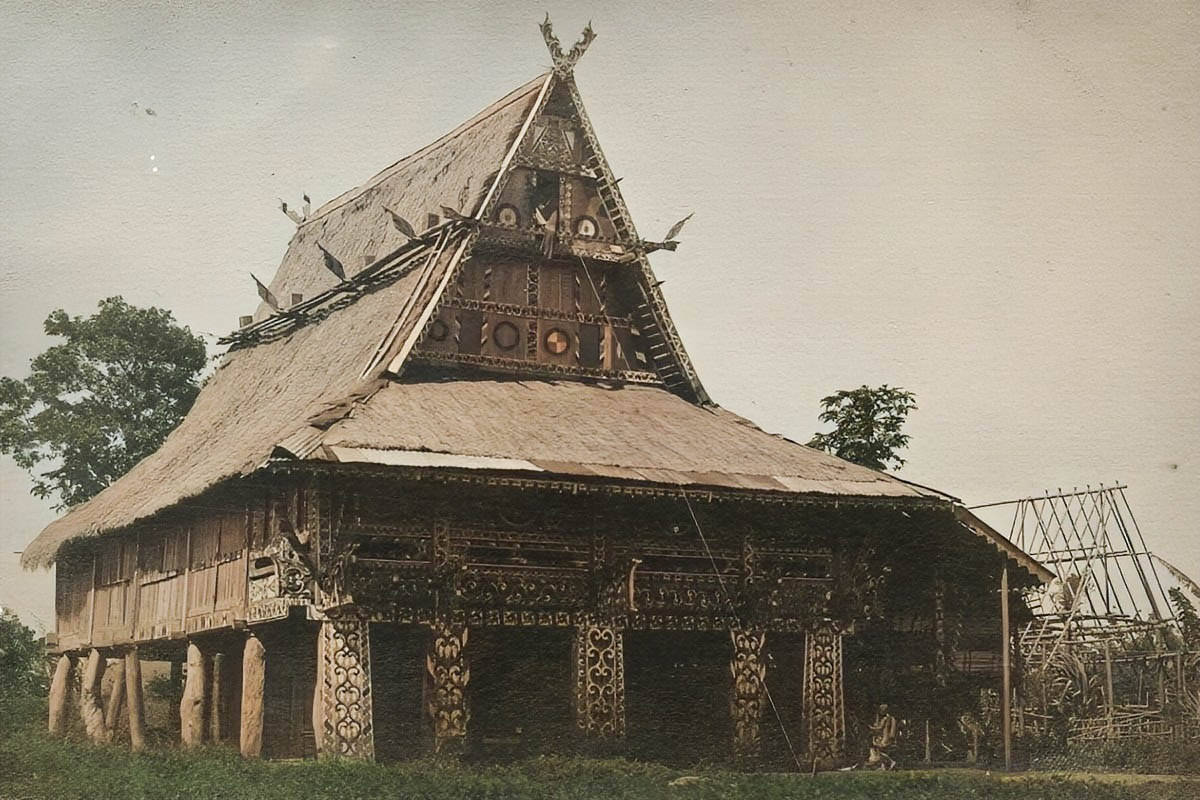
Binuron (Isneg House)

Artist: Isneg Artisans
Year: 1000 - 1500s
Origin: Cagayan Valley, Luzon

The binuron is a traditional elevated house of the Isneg people, composed of hardwood posts and woven walls with a raised floor. Its rectangular plan, multi‑level interior, and steep roof reflect adaptation to the region’s climate and community living. The structure provides ventilation and protection from floods and animals.

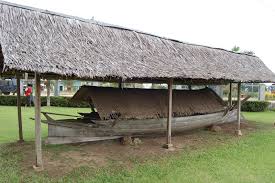
Lepa House (Bajau Stilt House)

Artist: Bajau Seafarers
Year: early 1500s
Origin: Sulu Archipelago

The lepa is a stilt house built over water by the Bajau people, constructed from driftwood and palm materials. Its design reflects the maritime lifestyle of this seafaring community; raised on stilts above lagoons or shallow seas, it serves as both home and base for fishing activities.

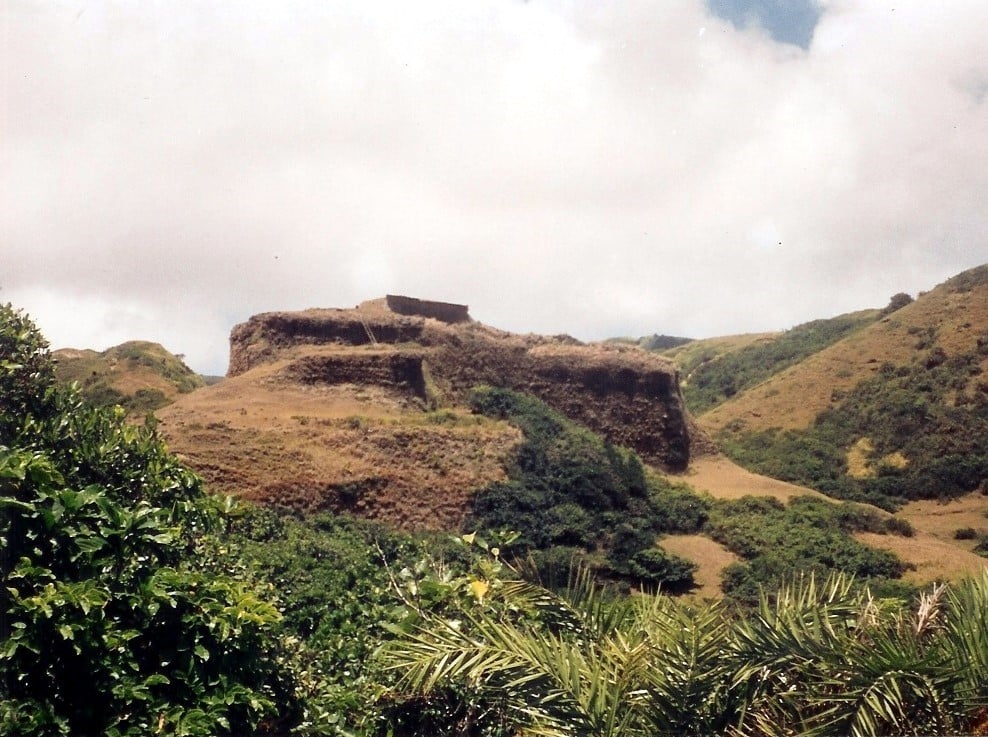
Ijang (Hillfort Settlement)

Artist: Ivatan Builders
Year: 1200 – 1500
Origin: Batanes Islands, Philippines

Ijang are terraced hillfort settlements built by the Ivatan people on hilltops and ridges, composed of stacked stones forming platforms and defensive terraces. They likely served as fortified communal centers where families lived and protected themselves from rival clans before colonial contact. This architecture reflects the Ivatan adaptation to rugged landscapes and inter‑community conflict in pre‑colonial Batanes