Pre-Colonial Painting

Pre-colonial painting in the Philippines, was not practiced on canvas but rather as integrated art forms, including cave paintings, petroglyphs, pottery designs, and body art, often linked to spiritual rituals and storytelling.

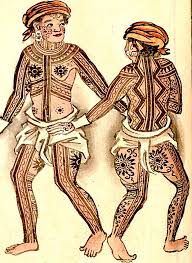
Pintados Tattoo Art

Artist: Ancient Visayan tattoo artists (Pintados)
Year Created: Precolonial period (before 16th century)
Origin: Visayas, Philippines

Pintados tattoo art refers to the traditional body tattoos of ancient Visayan warriors. The designs were detailed and covered large parts of the body, symbolizing bravery and achievements. These tattoos also represented social status and served as a form of identity.

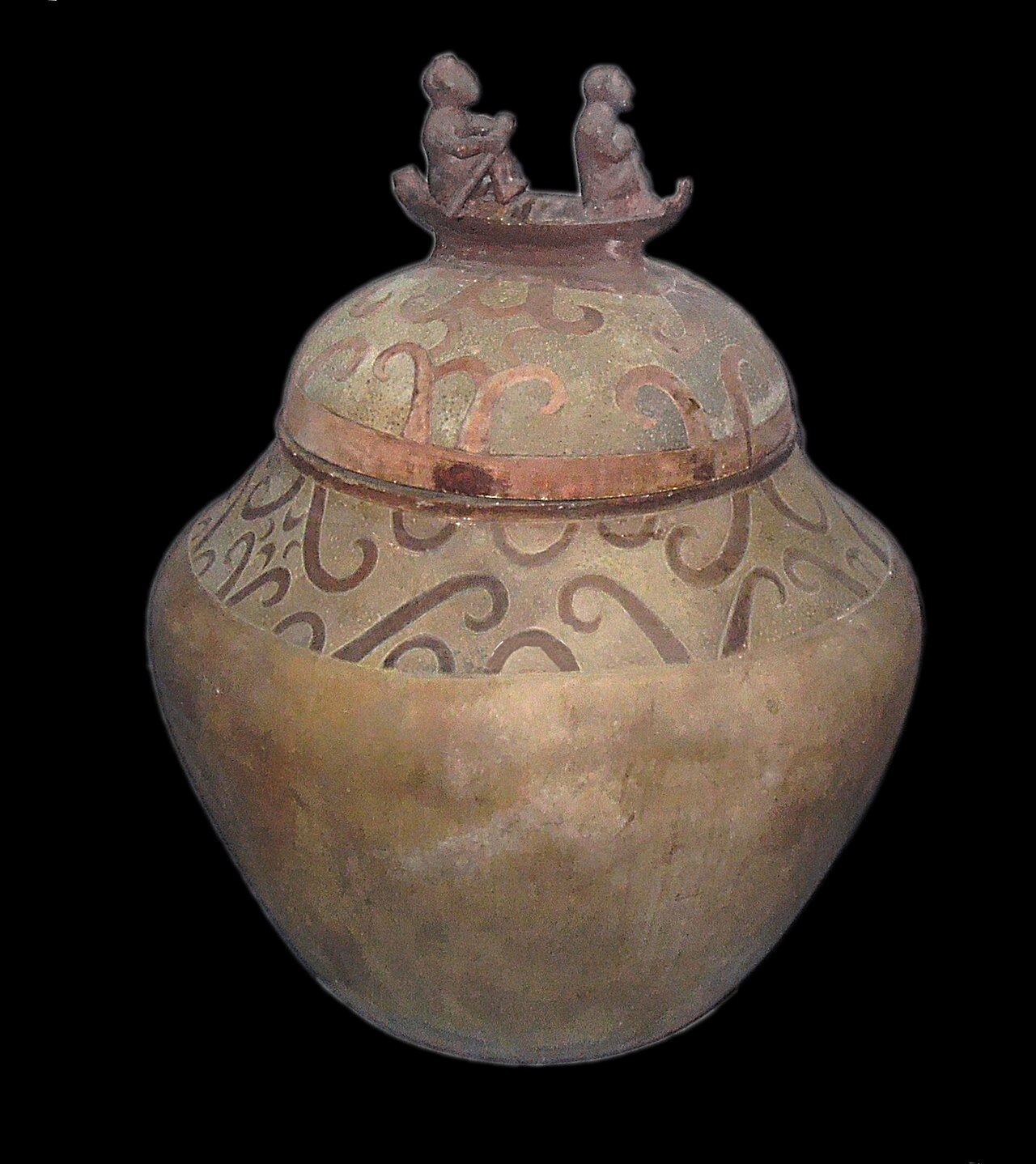
Manunggul Jar

Artist: Neolithic potters
Year Created: 890–710 BCE
Origin: Manunggul Cave, Palawan, Philippines

The Manunggul Jar is a burial jar discovered in Palawan, known for its detailed lid design. The cover shows two human figures riding a boat, symbolizing the journey of the soul to the afterlife. It reflects the early Filipinos’ beliefs about life, death, and spirituality.

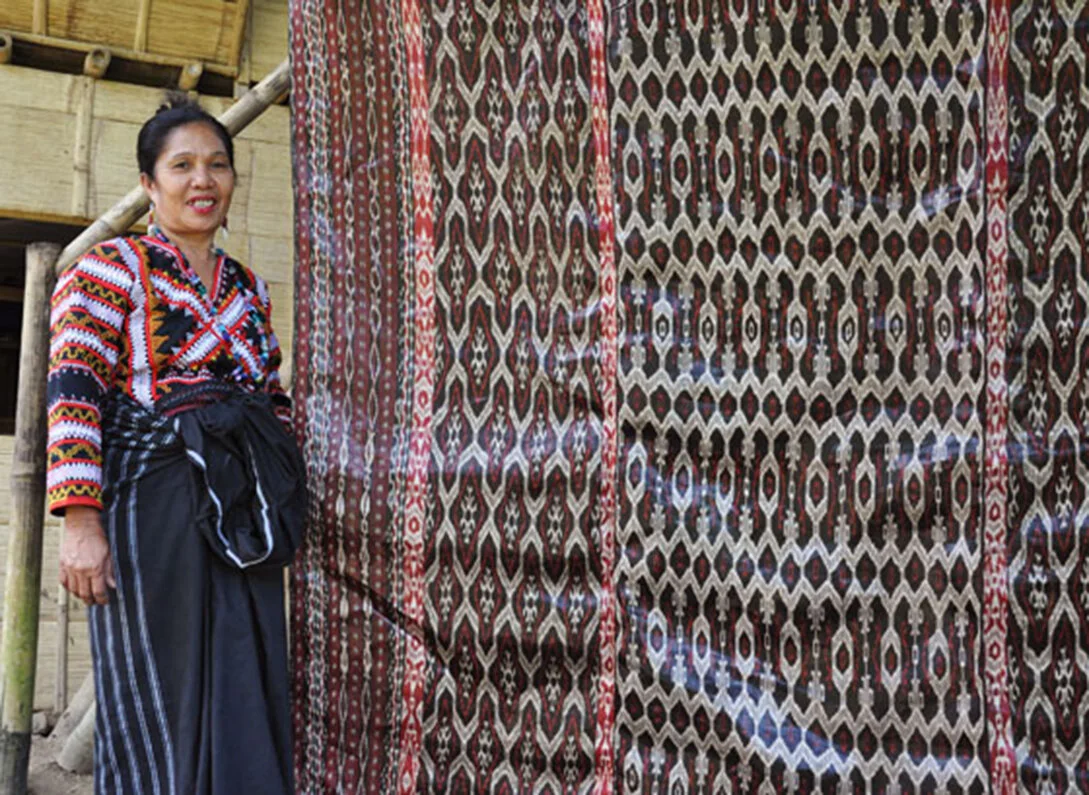
T’nalak (Textile Art of the T’boli)

Artist: T’boli weavers (traditionally women called “dreamweavers")
Year Created: Precolonial tradition (continues to present)
Origin: South Cotabato, Mindanao, Philippines

T’nalak is a traditional handwoven textile made from abaca fibers by the T’boli people. The intricate patterns are believed to come from dreams, giving the cloth spiritual and cultural significance. It is used in rituals, clothing, and symbolizes identity, heritage, and connection to their beliefs.

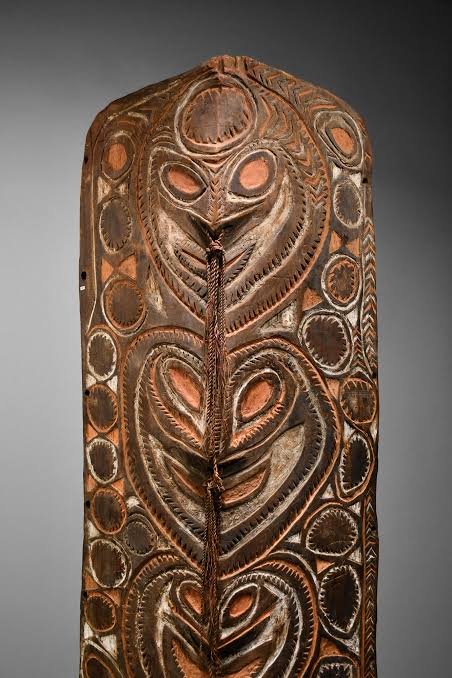
Shield Art Painting (Ifugao)

Artist: Ifugao craftsmen
Year Created: Precolonial period
Origin: Ifugao, Philippines

Ifugao shields are decorated with bold patterns and symbolic designs. These artworks were used in battle for protection and to show strength and courage. The designs also reflect the identity and traditions of the tribe.

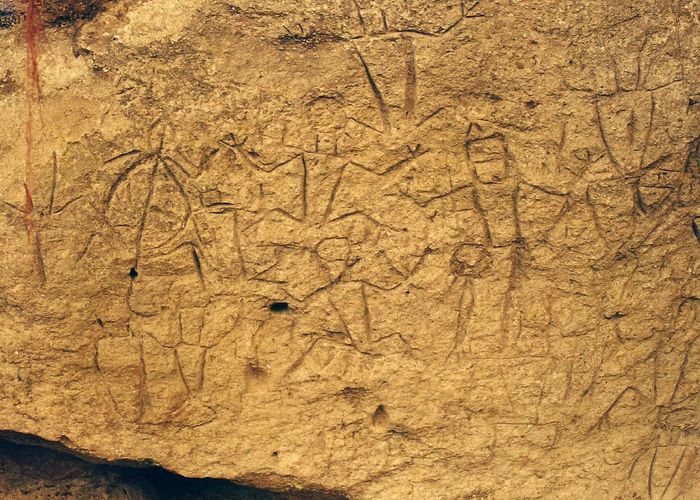
Anda Peninsula Petroglyphs

Artist: Unknown prehistoric inhabitants (early Austronesian settlers)
Year Created: Undetermined (Prehistoric period, likely Neolithic to Metal Age)
Origin: Anda Peninsula, Bohol, Philippines (Lamanok Island area)

The Anda Peninsula Petroglyphs consist of red hematite handprints and markings found in rock shelters near the sea. These images were created using natural pigments from iron ore and are thought to mark sacred spaces or ritual sites. They reflect the spiritual beliefs and cultural practices of early communities in Bohol, making the site an important part of Philippine prehistoric heritage.