Contemporary Sculture

Contemporary sculpture in the Philippines is a vibrant blend of indigenous traditions, modern techniques, and social commentary, utilizing diverse materials like wood, metal, glass, and resin. It evolved from traditional carving into innovative forms, including assemblage, constructivism, and public art that addresses cultural identity, history, and current social issues.

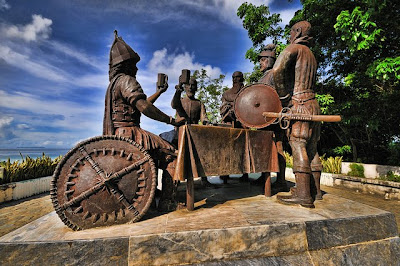
Sandugo Monument

Artist: Napoleon Abueva
Year Created: 1998
Origin: Tagbilaran

The Sandugo Monument is located in Tagbilaran and it represents the historic blood compact between Miguel Lopez de Legazpi and Datu Sikatuna in 1565. This monument commemorates the historic pact of the two and marks the first treaty friendship between Filipinos and Spaniards.

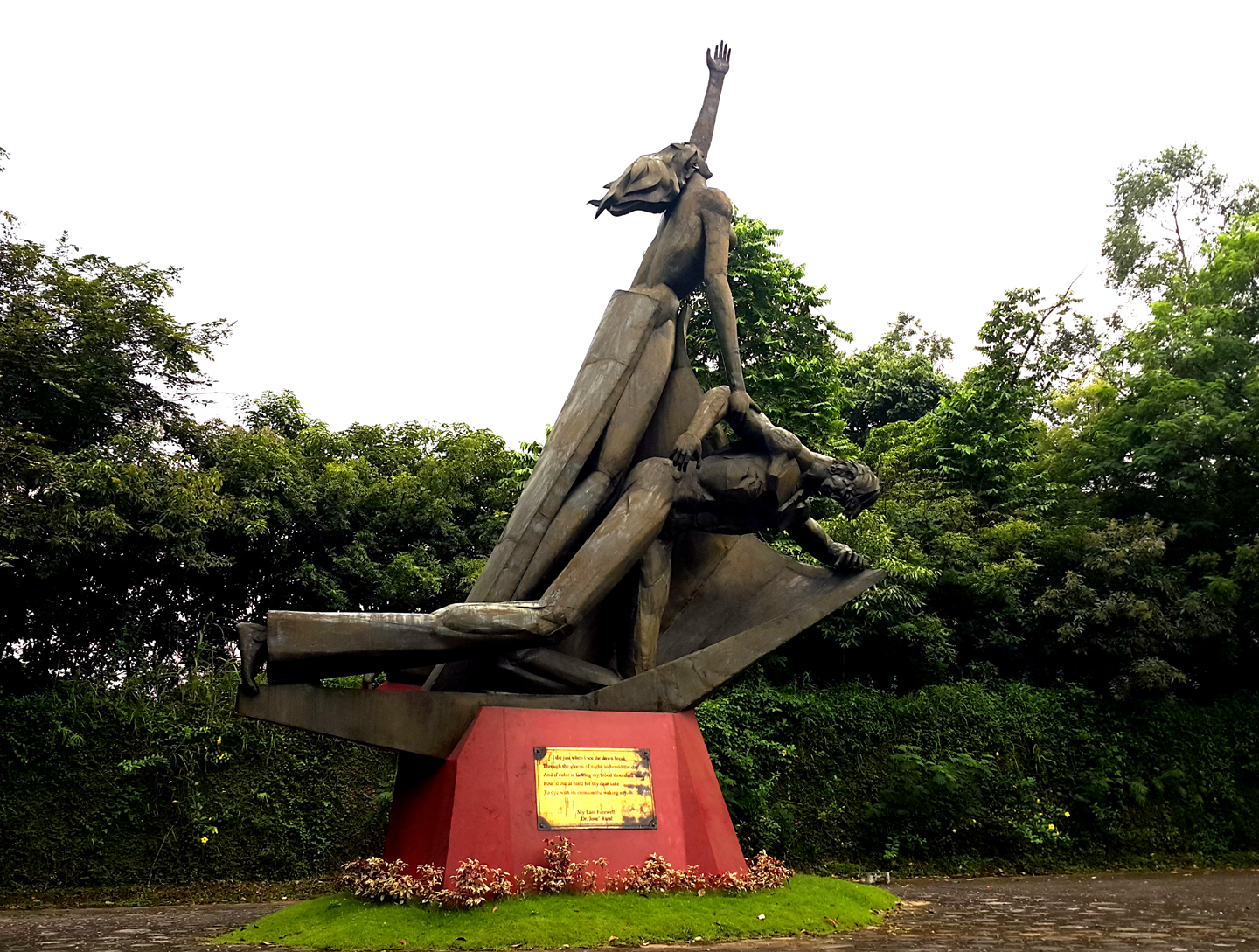
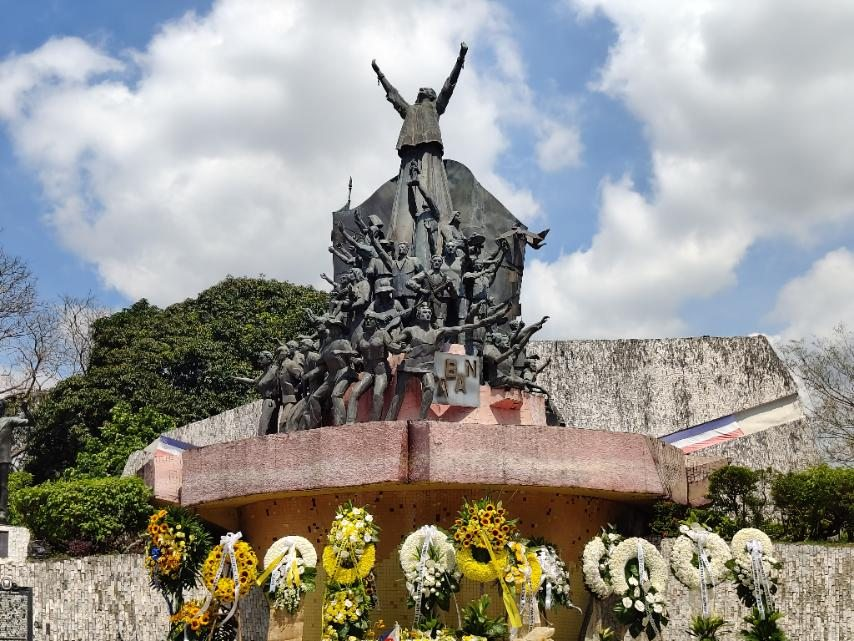
Bantayog ng mga Bayani Monument

Artist: Eduardo Castrillo
Year Created: 1992
Origin: Quezon City

Located in the memorial park at Quezon City, this monument honors the heroes and martyrs who fought against oppression during the Martial Law in the Philippines. This sculpture preserves the memory of those who defended freedom and human rights and is created to remind society the importance of our democracy.

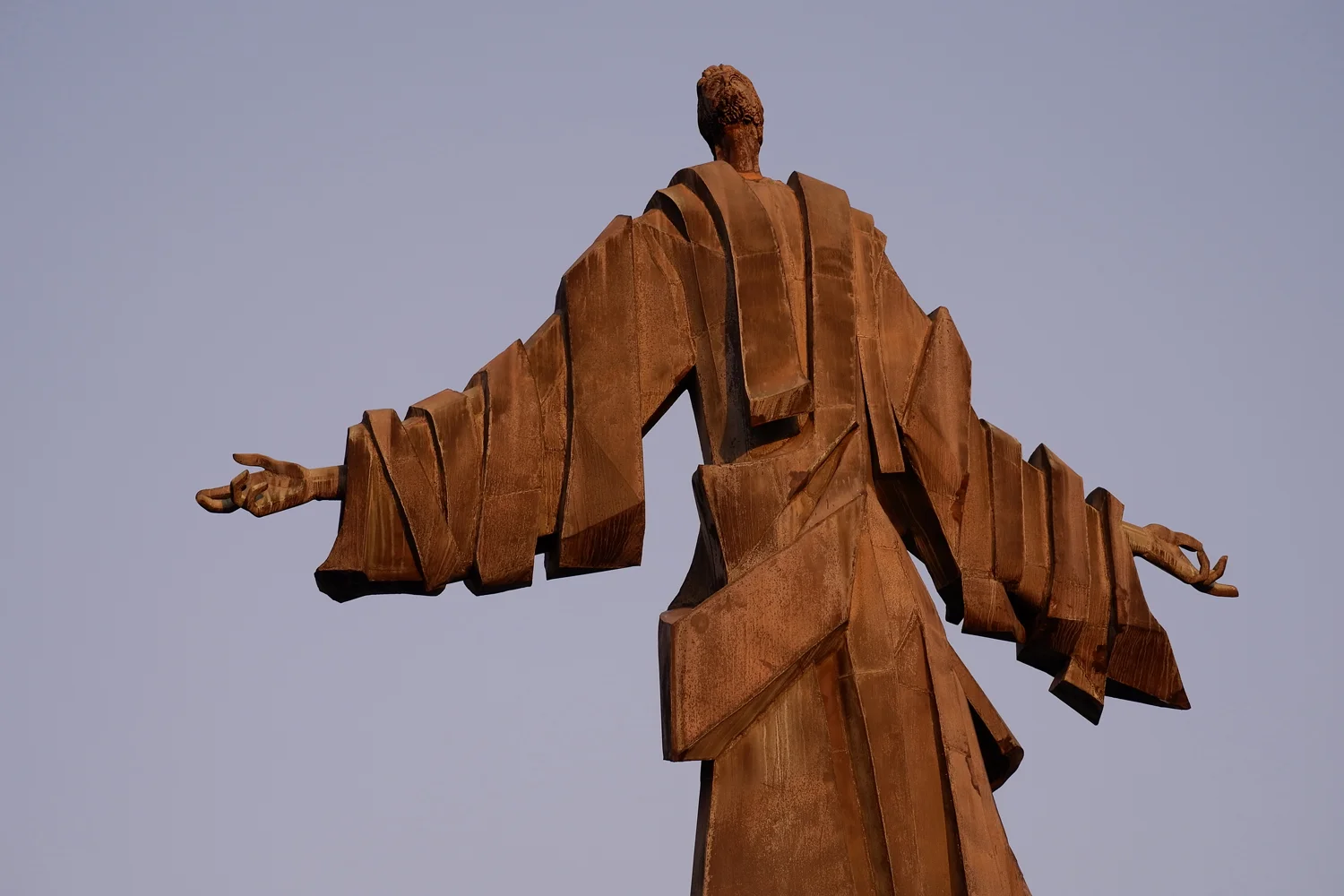
The Flame of Freedom Monument

Artist: Napoleon Abueva
Year Created: 1998
Medium: Origin: EDSA Shrine

The sculpture was created to commemorate the 100th anniversary of the Philippine Independence during the Philippine Declaration of Independence. This sculpture highlights national pride and historical remembrance.

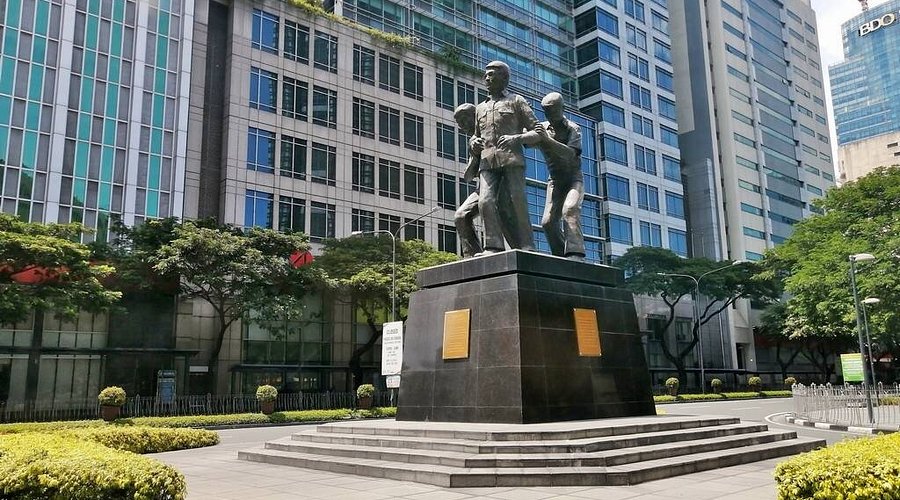
Ninoy Aquino Monument

Artist: Eduardo Castrillo
Year Created: 2004
Origin: Ayala Triangle

Honors the late Benigno Aquino Jr. His assassination in 1983 became the turning point that inspired the Filipino people to do the EDSA Revolution to defend democracy against dictatorship.

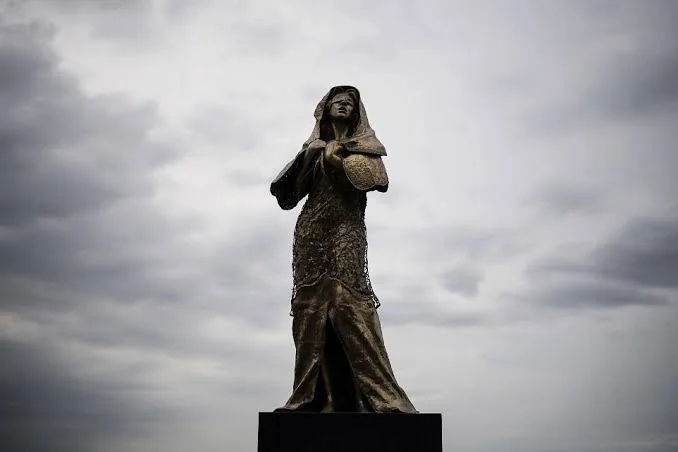
Filipina Comfort Women Monument

Artist: Jonas Roces
Year Created: 2017
Origin: Roxas Boulevard originally, later Antipolo, Rizal

The monument honors the Filipino women who were forced into sexual slavery during World War II. The sculpture symbolizes the suffering, strength, and the resilience of the Filipino “comfort women” who endured abuse and loss during Japanese occupation. It is a public memorial reminding the society about the wartime injustice.