Pre-Colonial Sculpture

Pre-colonial Philippine sculpture refers to indigenous, pre-16th-century artistic traditions characterized by utilitarian, religious, and symbolic carvings made from wood, stone, pottery, and ivory. These sculptures were deeply integrated into daily life, serving animistic beliefs, rituals, and the commemoration of ancestors.

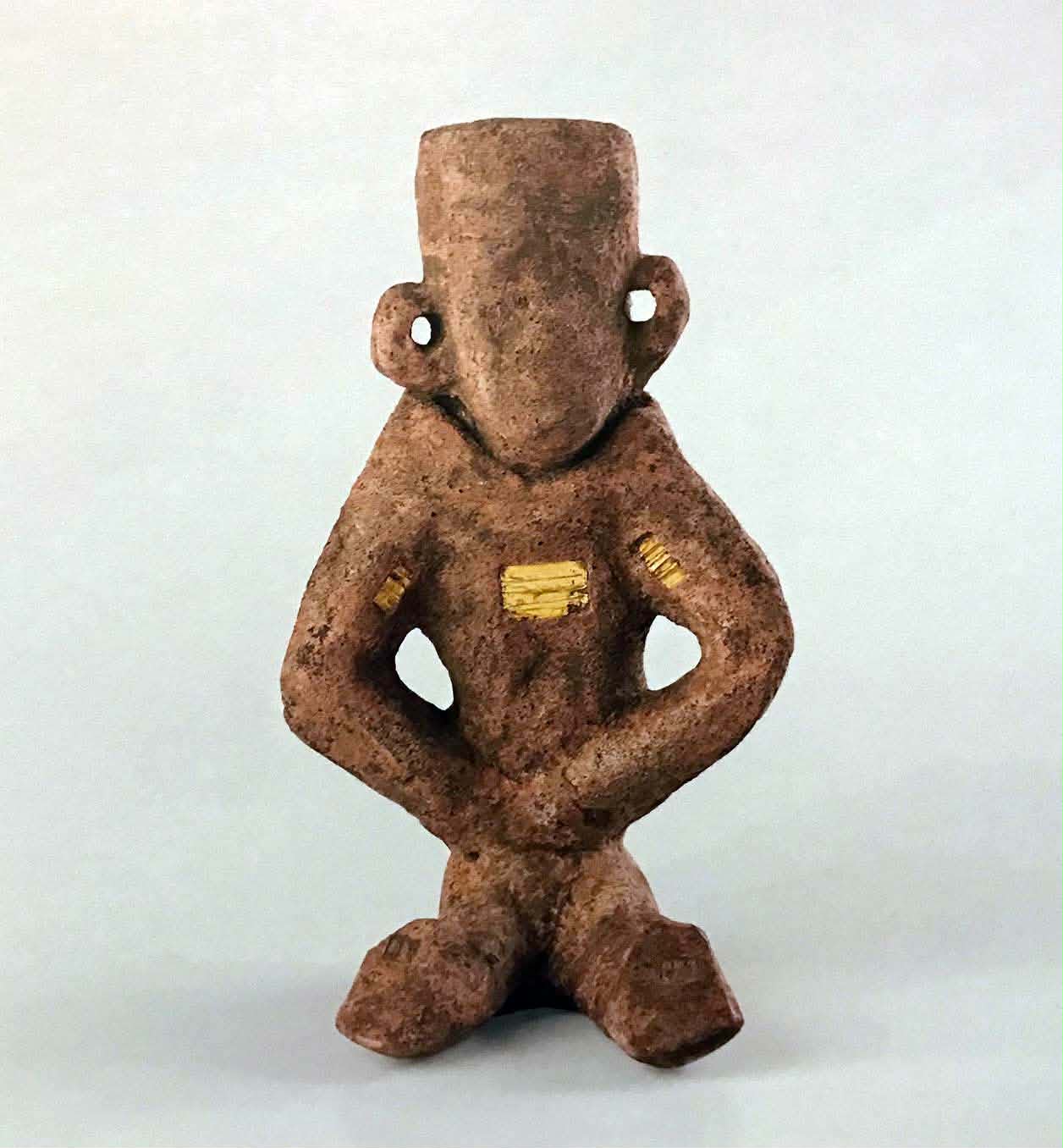
Likha / Larauan (Stone Statues)

Creator: Ancient Tagalogs
Year Created: Prior to the 16th Century
Place of Origin: Southern Luzon (notably Batangas and Rizal)

These are small stone carvings, often made of steatite or volcanic tuff, representing deceased ancestors or minor deities. Tribal leaders would commission these "likha" to serve as physical vessels for the spirits of their forefathers, who were consulted for guidance in community matters. They are characterized by their seated or squatting positions and serene expressions.

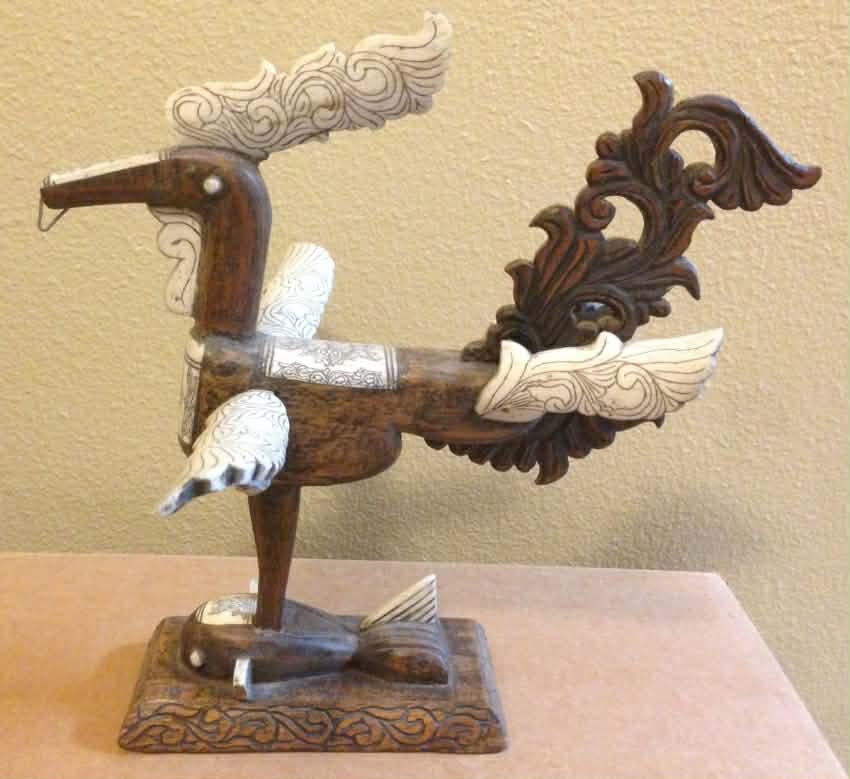
Sarimanok (Wood Carving)

Creator: Maranao Artisans
Year Created: Pre-colonial (rooted in ancient legends)
Place of Origin: Lanao, Mindanao

The Sarimanok is a legendary bird with colorful feathers and a fish in its beak or claws, symbolizing good fortune and abundance. In Maranao culture, it is a symbol of prestige and is prominently displayed during the enthronement of a Sultan or other tribal leadership celebrations. Its intricate Okir motifs showcase the sophisticated geometric and flowing designs unique to indigenous Mindanao art.

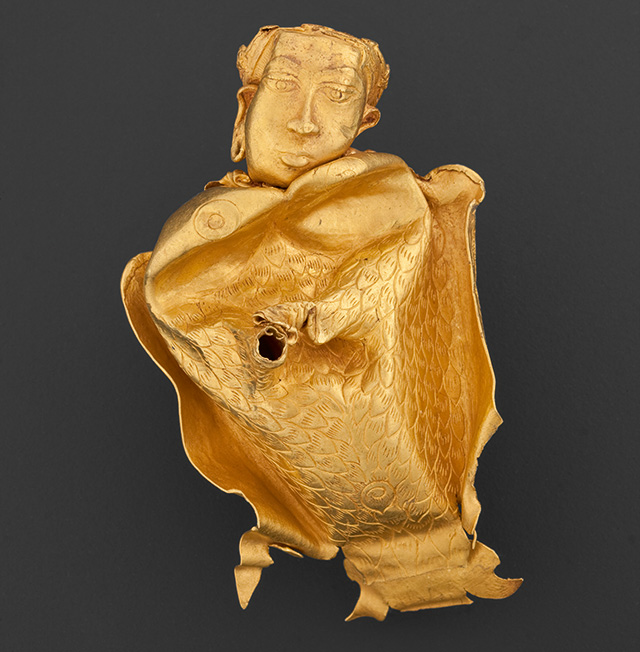
Kinnara Sculpture

Artist/Creator: Early Filipino artisans influenced by Asian cultures
Year Created: Pre-colonial period
Place of Origin: Philippines

The Kinnara is a half-human, half-bird figure found in early art. It symbolizes beauty, grace, and spirituality. This sculpture shows the influence of nearby Asian cultures and the creativity of early Filipinos.

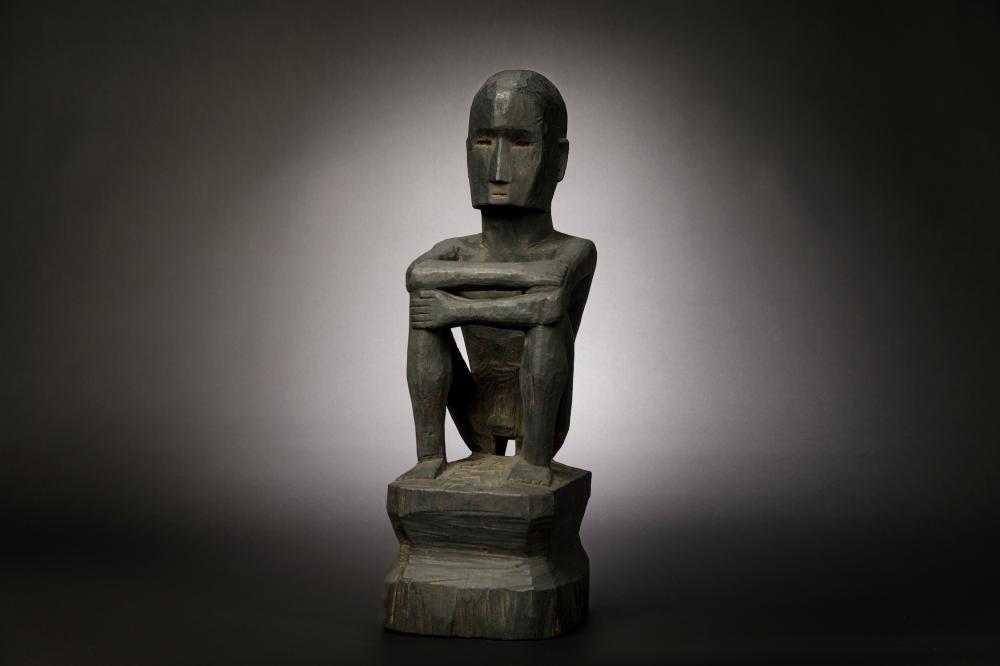
Bulul Figures

Artist: Ifugao artisans
Year Created: Precolonial period
Origin: Ifugao, Cordillera Region, Philippines

Bulul figures are wooden carvings placed in rice granaries by the Ifugao people. They represent ancestral spirits believed to protect the rice and ensure a good harvest. These carvings are also used in rituals related to agriculture and community life.

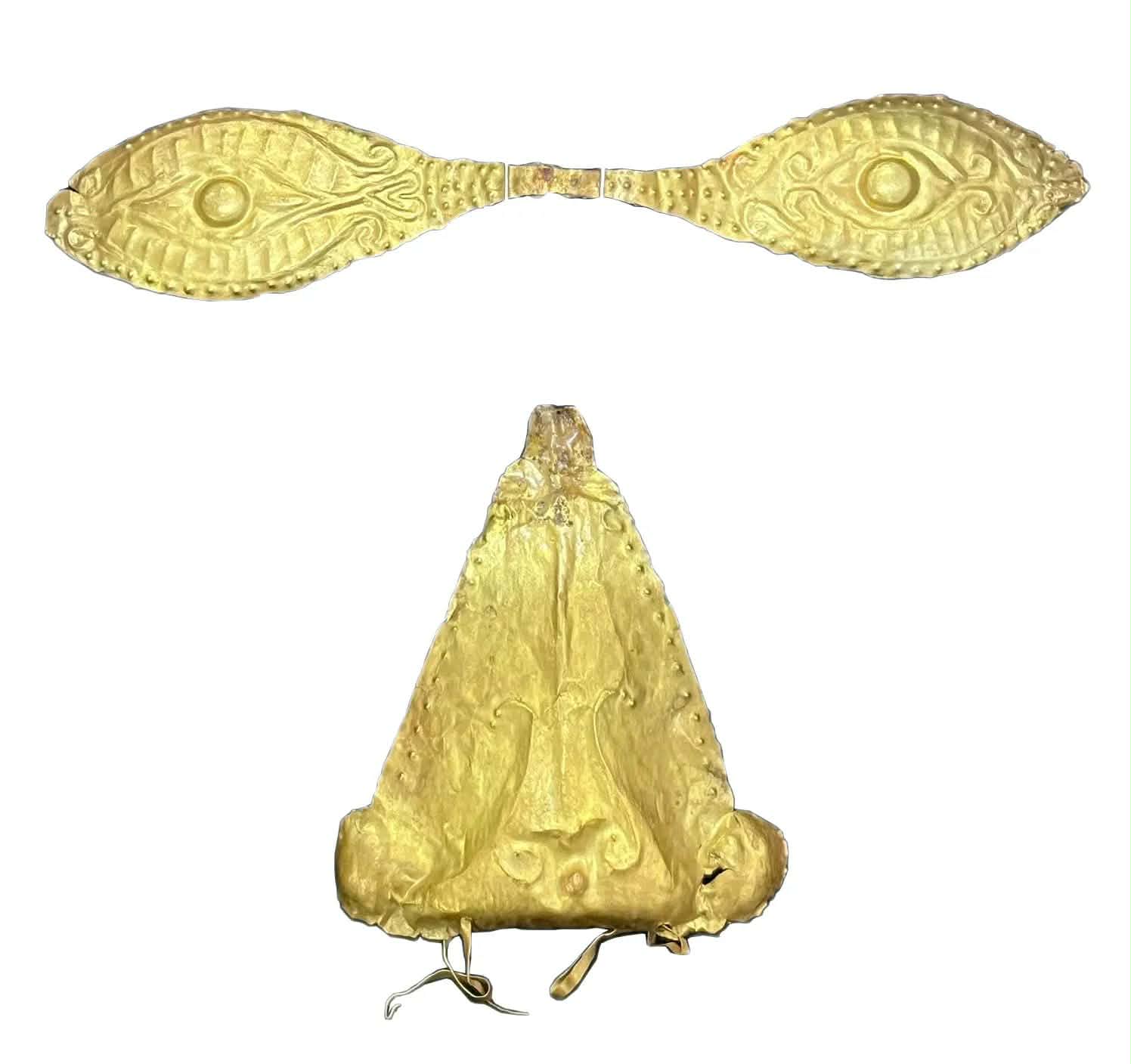
Gold Death Mask

Creator: Butuan / Visayan Goldsmiths
Year Created: 14th – 15th Century
Place of Origin: Oton, Iloilo (and Butuan)

These thin sheets of gold were intricately hammered to cover the eyes, nose, and mouth of the deceased, particularly those belonging to the ruling class or Datu lineage. The use of gold reflected the immense wealth of pre-colonial polities and the belief that gold protected the soul from evil spirits. These masks signify the high status of tribal leadership and the advanced metallurgy practiced by early Filipinos.