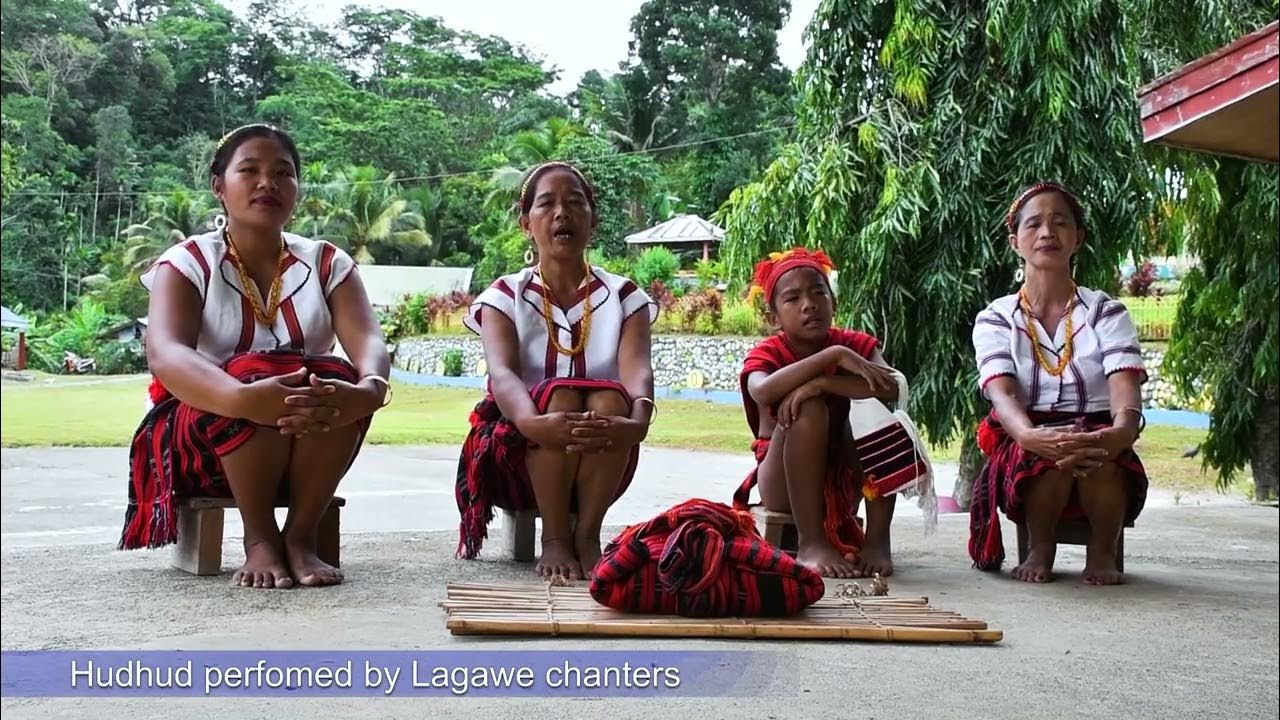
Pre-Colonial Music

Pre-colonial music in the Philippines was a functional, communal, and highly diverse art form integrated into daily life, rituals, and ceremonies, largely characterized by vocal traditions and instrumentation using natural materials like bamboo, wood, and metal. It was used to accompany activities from birth to death, including courtship, harvest, and battles.

Darangen (Epic Song of the Lake)

Artist: Traditionally sung by Maranao bards known as Onor.
Year: Pre-Islamic era (roots predating the 13th century).
Origin: Maranao people, Lanao del Sur (Mindanao).

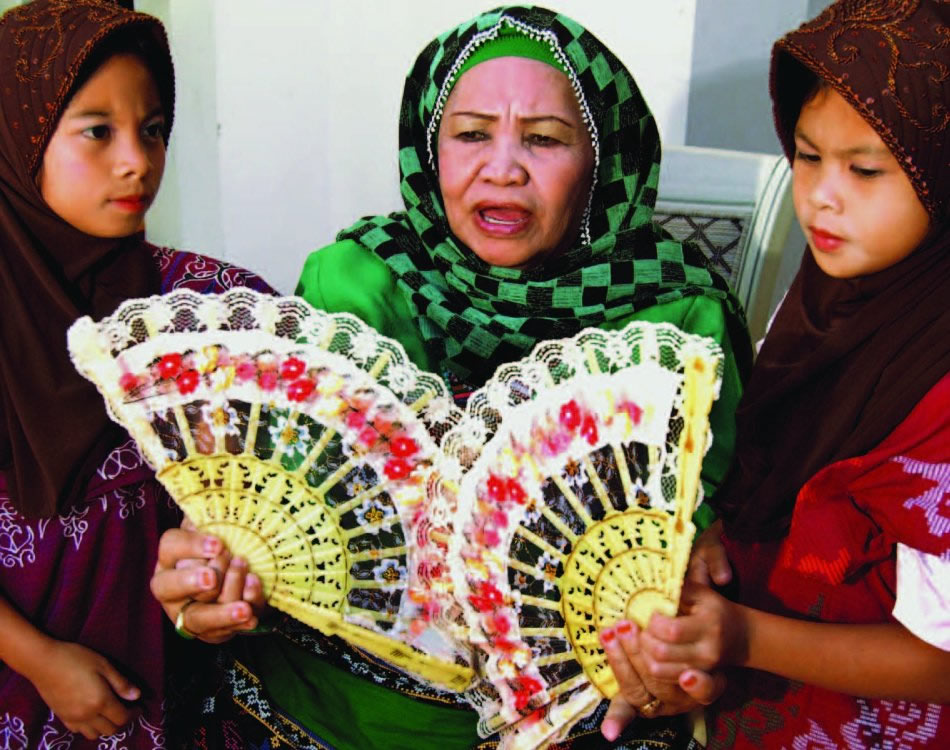
The Darangen is a massive epic song that encodes the customary laws, social standards, and ethical values of the Maranao people. It consists of 17 cycles and over 72,000 lines that are chanted in a sophisticated, melodic style. These songs detail the life of Prince Bantugan, providing a blueprint for tribal leadership and the responsibilities of the ruling class. The performance is deeply tied to Indigenous culture, as it incorporates specific rituals, traditional attire, and sometimes instrumental accompaniment. Before the arrival of outside influences, this musical epic served as the "living constitution" that governed the relationships between different clans and their leaders.

Dung-aw (The Lamentation)

Artist: Ilocano community elders (traditionally women).
Year: Pre-colonial origin.
Origin: Ilocos Region, Northern Luzon.

The Dung-aw is an ancient extemporaneous chant performed during funeral wakes to mourn the passing of a community member. This musical tradition is deeply spiritual, acting as a bridge to the afterlife where the living communicate with the Anitos or ancestral spirits. During the chant, the singer recounts the deceased’s life achievements, emphasizing their role in tribal leadership or their contributions to the village's survival. It is a raw expression of Indigenous culture that reinforces the social hierarchy and the importance of lineage. Through these verses, the community collectively remembers its history, ensuring that the legacy of their leaders is never forgotten.

Ambahan (Poetic Chants)

Artist: Hanunuo Mangyan tribespeople.
Year: Ancient; notably uses the Baybayin (Hanunuo) script for its lyrics.
Origin: Mindoro Island.

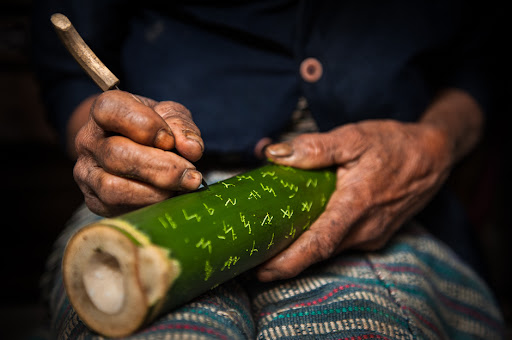
The Ambahan is a rhythmic poetic expression with seven-syllable lines that is chanted at social gatherings and during courtship. It is uniquely significant because the lyrics are often etched onto bamboo slats using a surviving variant of the Baybayin script. This creates a direct link between pre-colonial literacy and musical performance, where the written word and the chanted melody are inseparable. The themes of the Ambahan range from daily survival to the wisdom passed down by tribal elders regarding community life. As a cornerstone of Indigenous culture, it demonstrates how pre-colonial Filipinos used art and writing to maintain social bonds and record their philosophy.

Kumintang (The War Song)

Artist: Ancient Tagalog warriors and community members.
Year: Pre-colonial (later evolved into the Kundiman).
Origin: Batangas and Central Luzon.

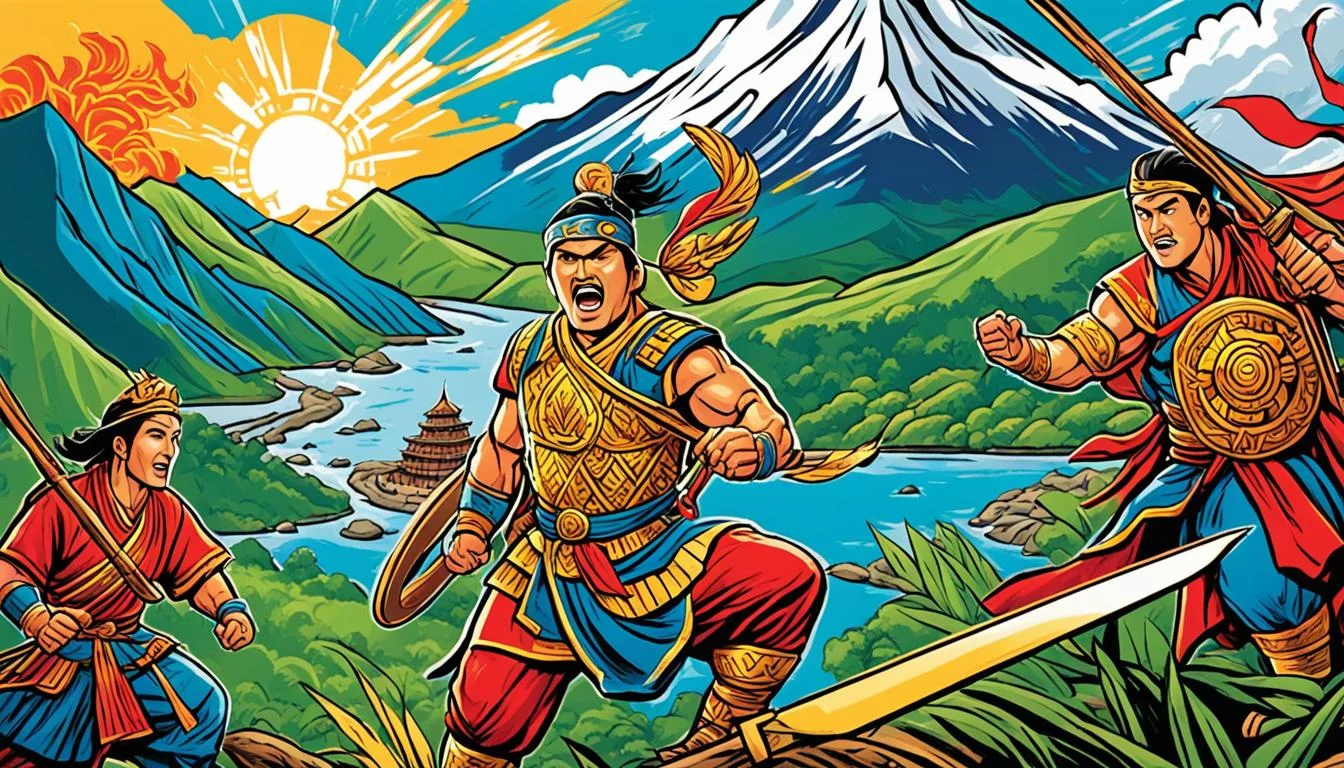
Originally, the Kumintang was a fierce war chant and dance used to inspire bravery among warriors before they headed into tribal conflicts. It was a rhythmic representation of tribal leadership, as the Datu or military leader would use the song to unify the community under a single cause. The music was characterized by a distinct beat that signaled strength, honor, and the readiness to defend the tribe’s territory. In Indigenous culture, such songs were essential for maintaining the morale of the people and reinforcing the authority of the ruling class. Over time, the Spanish influence transformed it into a love song, but its roots remain firmly planted in the warrior traditions of the pre-colonial Tagalogs.

Kalusan (Working Song)

Artist: Ivatan fishermen and laborers.
Year: Pre-colonial roots.
Origin: Batanes Islands.

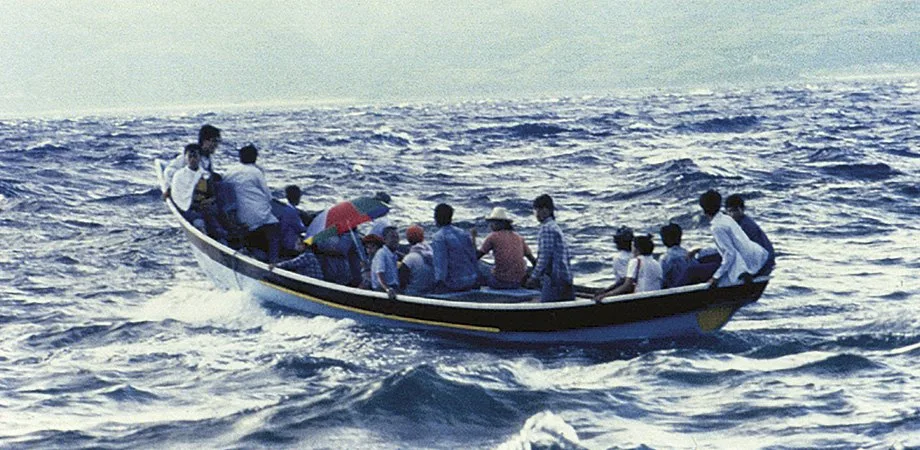
The Kalusan is a traditional work song of the Ivatan people, designed to synchronize the movements of a group during heavy labor, such as rowing or clearing fields. The rhythm of the song dictates the pace of the work, ensuring that the entire community moves as one cohesive unit. This musical form highlights the Indigenous culture of "bayanihan" or communal unity, which was necessary for survival in the storm-swept Batanes islands. Tribal leadership in this context was less about individual glory and more about the leader's ability to coordinate the collective effort through song. The Kalusan proves that music was a functional tool in pre-colonial life, turning physical labor into a rhythmic, shared spiritual experience.