American Dance

Dance during the American period was heavily influenced by Western styles brought through vaudeville, jazz, and social dance culture. Filipino performers adapted these imported forms while asserting local identity and creativity.

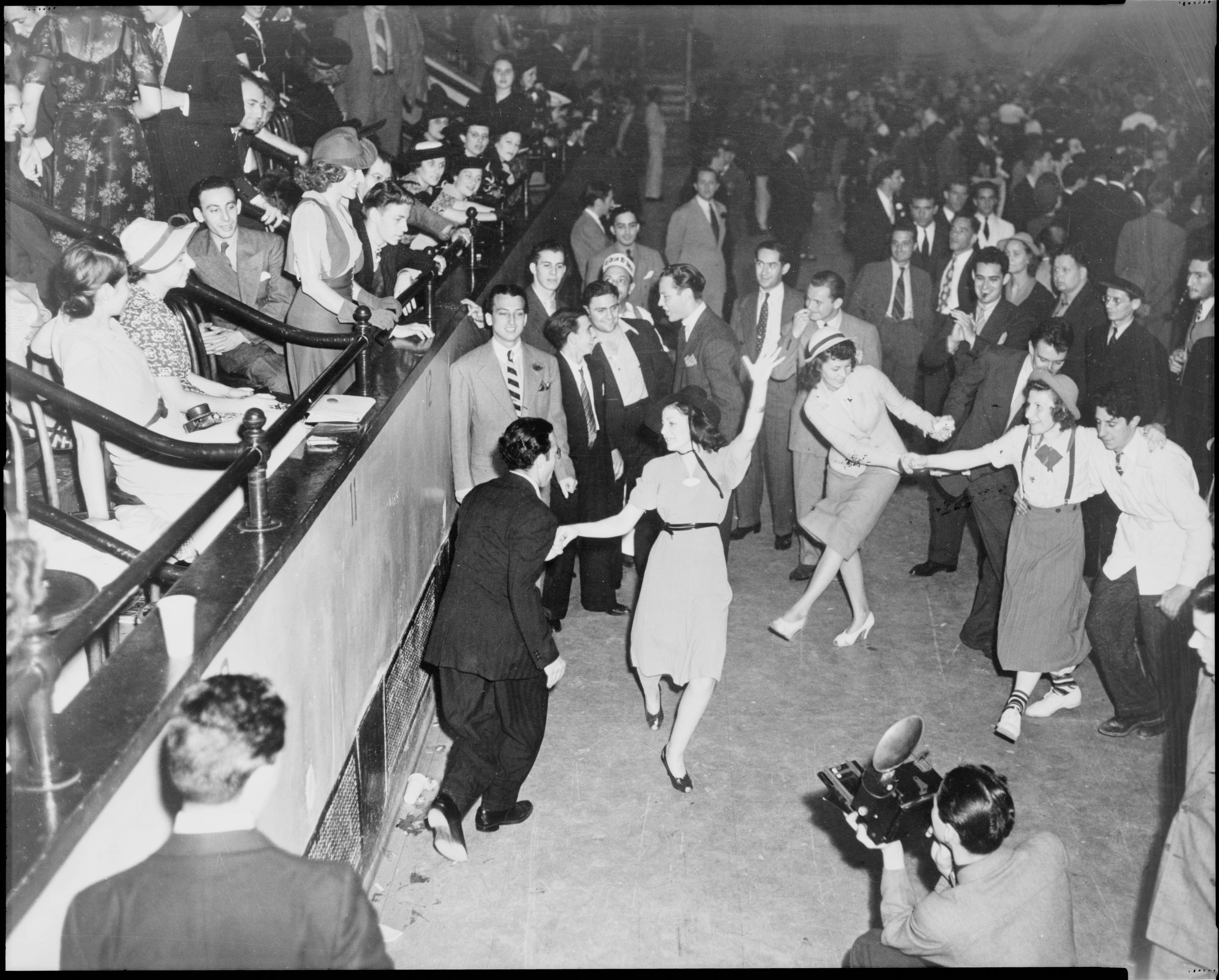
Taxi Dance Halls

Artist: Filipino social dancers
Year Created: Early 1900s
Origin: Philippines

Taxi Dance halls were popular during the 1920s - 1930s. In these halls, customers could pay to dance with a hired woman dancer (usually white) per song. Filipinos came dressed in McIntosh suits, eager to spend their hard-earned wages on taxi dancers. The dances often featured American social dances like the foxtrot and swing. These dance halls became part of city nightlife and showed how American culture influenced Filipino social life and entertainment during that time.

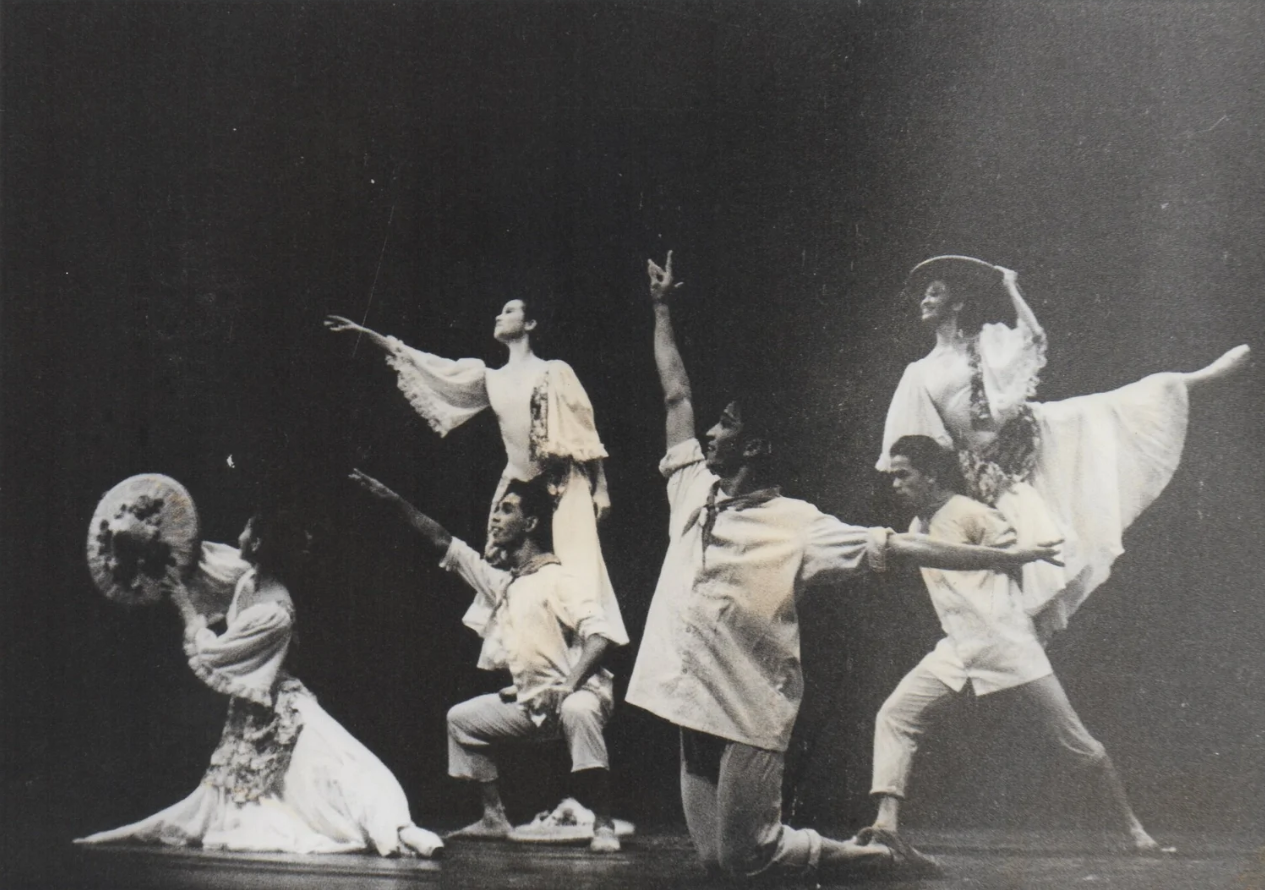
Ballet

Year Created: 1915

In 1915, Ballet was introduced to the Philippines. A famous Russian dancer, Paul Nijinsky, performed at the Manila Hotel Roof Garden, marking one of the earliest major classical ballet showcases in the Philippines. When ballet started to become known in the Philippines, Luva Adameit opened a ballet school and trained Filipino ballet dancers. She began putting Filipino folk dances sur les pointes (on tiptoe), adapting traditional movements from dances like Cariñosa and Planting Rice into balletic forms. Ballet serves as a bridge between Western classical traditions and indigenous artistic expression.

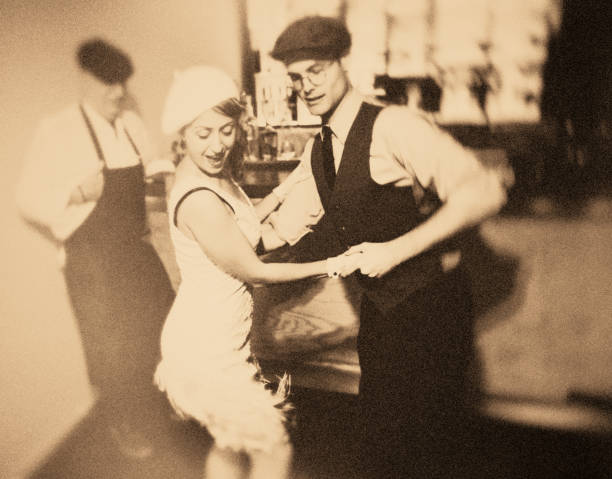
Charleston

Year Created: 1920s

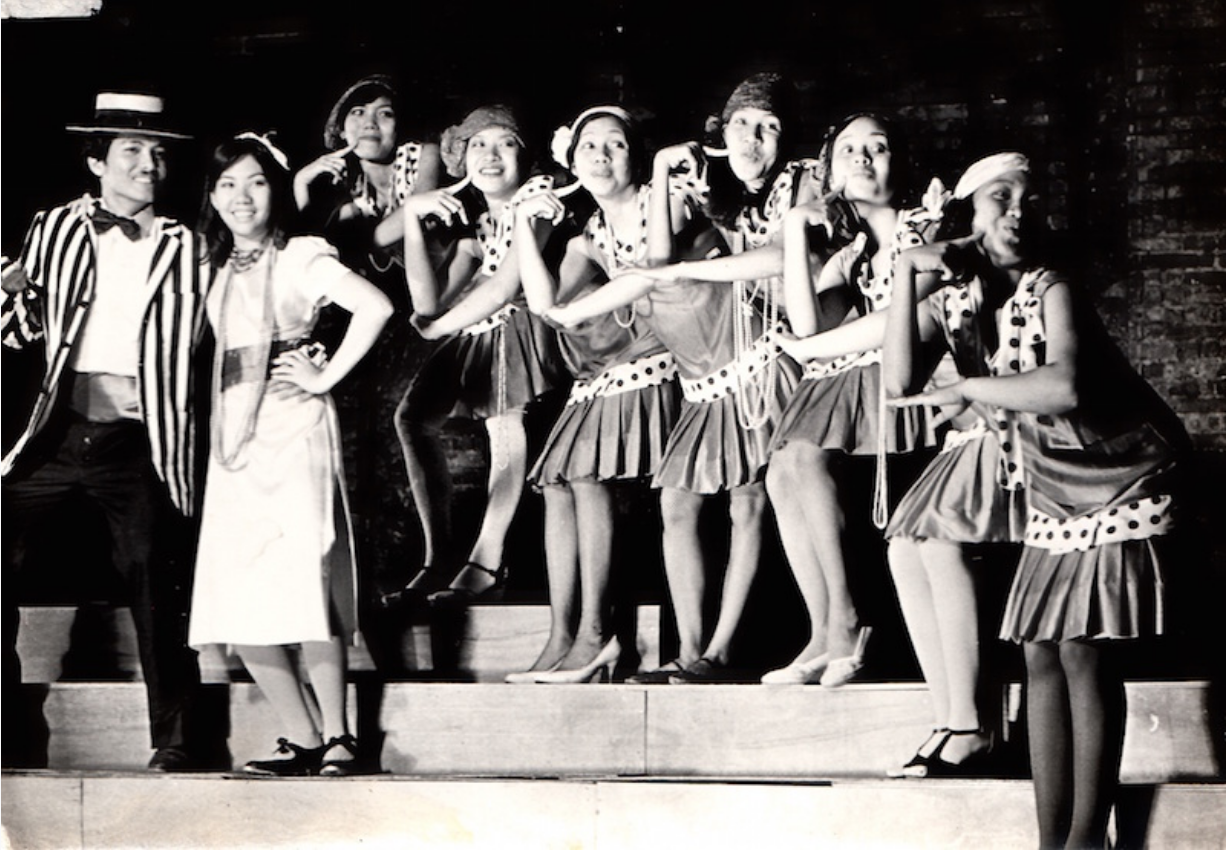
Charleston symbolized the modern lifestyle and cultural changes brought by American influence, and it became popular during the 1920s through American music and films, which influenced Filipino social structures, fashion, and identity. It is known for its lively footwork, swinging arms, and energetic rhythm. Filipino performers included the dance in bodabil shows and theater performances, and by 1926, Charleston was so popular that it sparked heated public debates in local newspapers like Bag-ong Kusog.

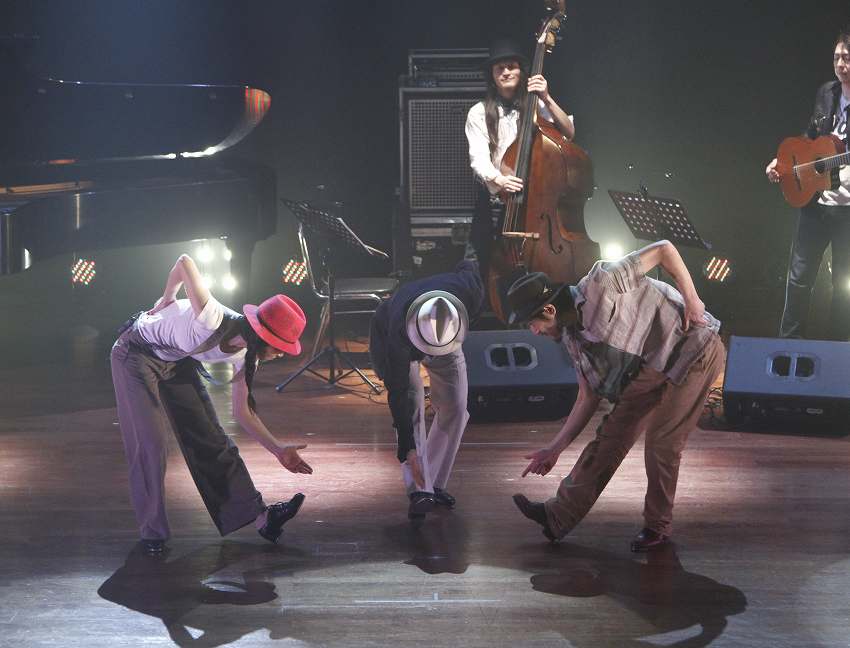
Tap Dance

Year Created: Early 1900s

Tap dancing uses specialized shoes with metal taps on the heel and toe to create rhythmic, musical sounds while striking the floor, and it gained popularity in the Philippines through American theater, social dance events, and bodabil shows. It was later adapted by Filipino performers for local audiences and aesthetics, leaving a lasting legacy on the development of both modern dance and popular stage performance in the country. Tap dance functioned as both entertainment and cultural innovation, as Filipinos engaged with an imported style while asserting local identity and creativity.

Swing Dance

Year Created: 1930s

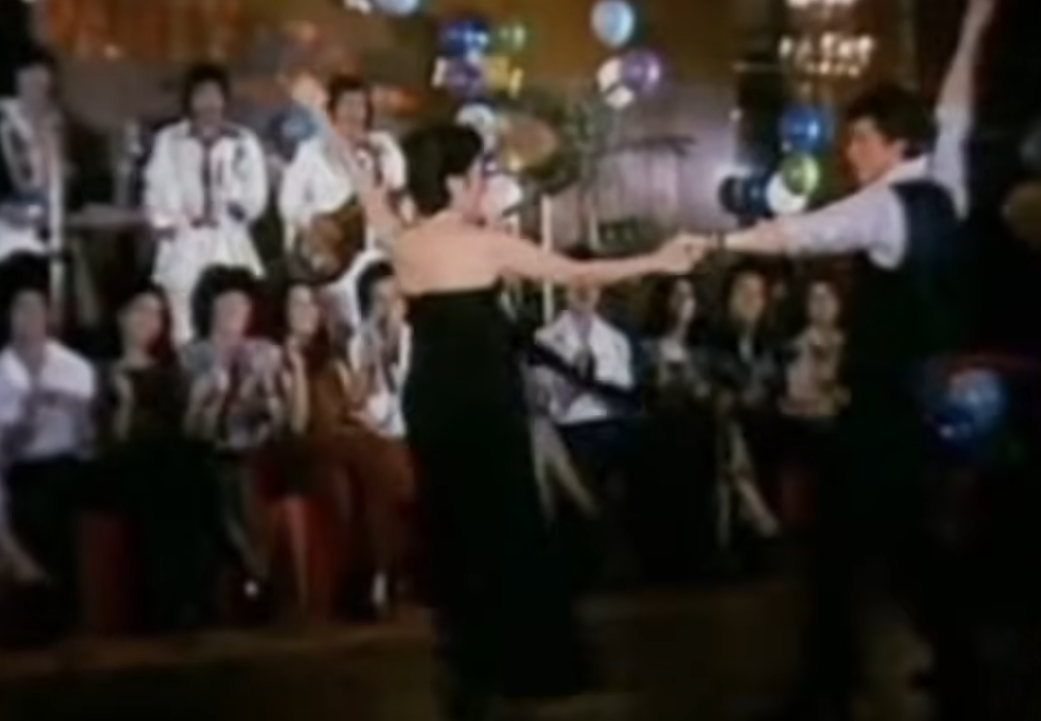
Swing dance became known in the Philippines through American jazz music and films during the American colonial period. It is usually performed with a partner and is known for its lively rhythm, spins, and energetic footwork. It introduced Filipino dancers to new forms of social dancing, and they learned its style to perform it in theaters, dance halls, and bodabil shows. Swing dance reflects the strong cultural influence of the Americans on Filipino entertainment and social life at the time.