Spanish Architecture

Spanish colonial architecture in the Philippines produced iconic stone churches and civic structures that blended European Baroque styles with local materials and craftsmanship. Filipino artisans incorporated indigenous techniques and locally sourced materials such as volcanic rock, coral, and hardwood, giving these buildings a distinctly Filipino character. These structures served not only as places of worship and governance but also as enduring symbols of the cultural fusion between Spanish colonialism and Filipino creativity.

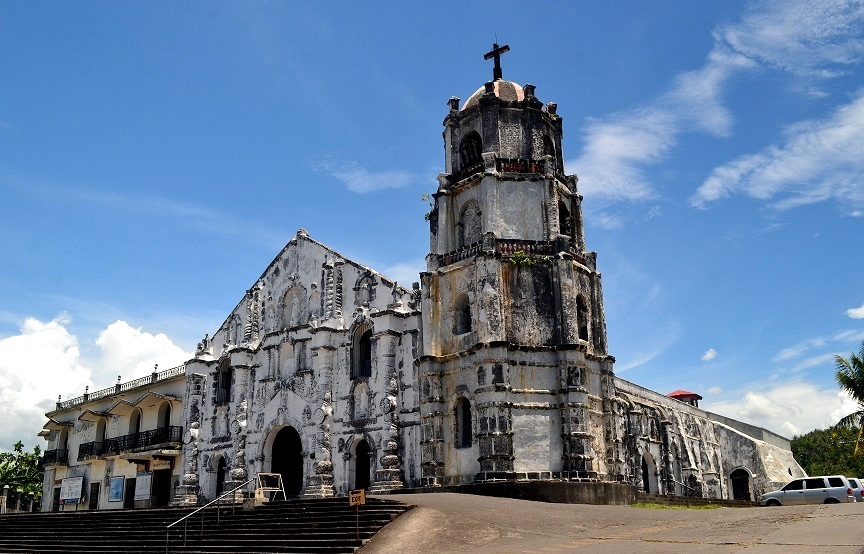
Daraga Church (Nuestra Señora de la Porteria)

Artist: Franciscan Friars and Filipino Stonemasons
Year Created: 1773
Origin: Daraga, Albay

Perched on a hill overlooking Mayon Volcano, this church is famous for its Churrigueresque (highly decorative Spanish Baroque) style. What makes it uniquely Filipino is the use of volcanic rock (tuff) and intricate carvings on the facade executed by local artisans who incorporated floral motifs and religious symbols using indigenous carving techniques passed down through generations.

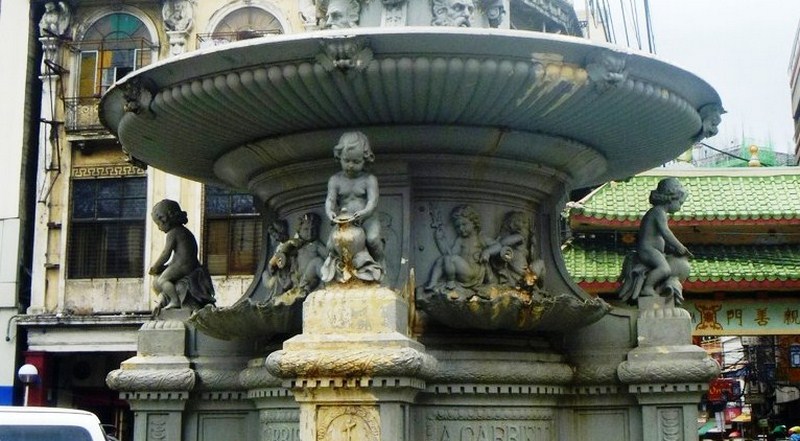
Carriedo Fountain

Artist: Lázaro Huet and Local Filipino Stonemasons
Year Created: 1882
Origin: Rotonda de Sampaloc, Manila

Carriedo Fountain was originally built to honor Francisco Carriedo y Peredo, the founder of Manila's first water system. Its intricate stone carvings were executed by Filipino craftsmen under the direction of Lázaro Huet, showcasing a transition toward more neoclassical and ornate civic architecture in the late 19th century.

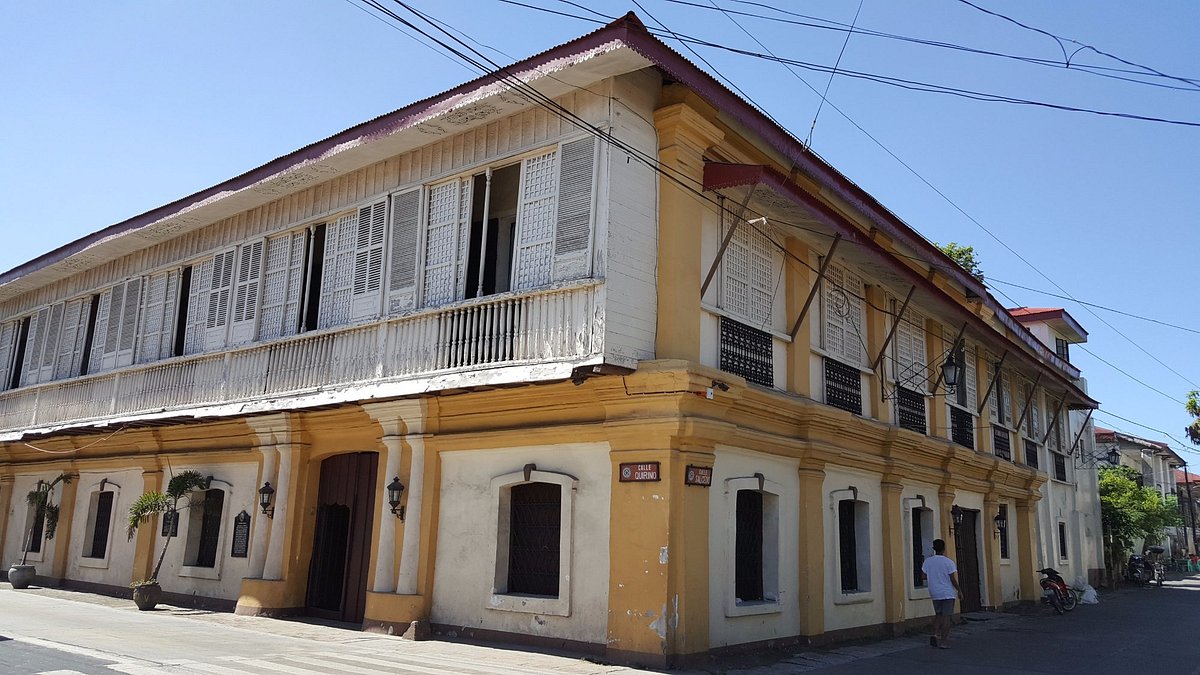
Syquia Mansion

Artist: Justo Angco and Local Ilocano Maestros de Obras
Year Created: 1830
Origin: Vigan, Ilocos Sur

A classic Vigan-style Bahay na Bato, the Syquia Mansion features a heavy stone ground floor and a wooden upper storey for living quarters. The windows are made of Capiz shells that filtered tropical glare while allowing soft light to enter. The layout follows the Filipino preference for open, airy spaces to encourage cross-ventilation.

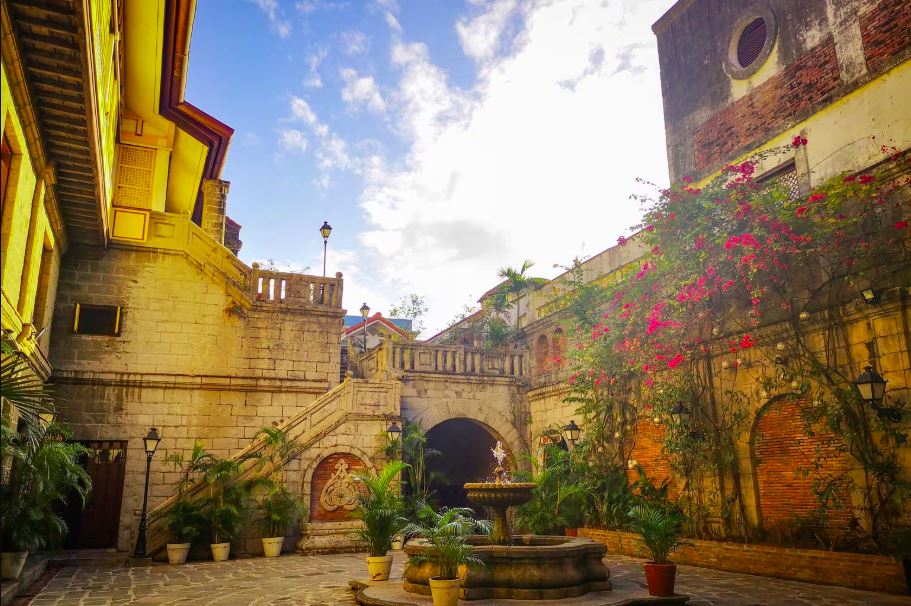
Casa Manila

Artist: J. Ramon L. Faustmann
Year Created: 1850
Origin: Intramuros, Manila

Casa Manila showcases the lifestyle of the Ilustrados located in the heart of Intramuros. It features a patio (inner courtyard) that served as a ventilation chimney for the entire house, a central element in Filipino-Spanish homes. The stone arches and wooden balustrades were carved by local artisans using native hardwoods like Narra and Molave.

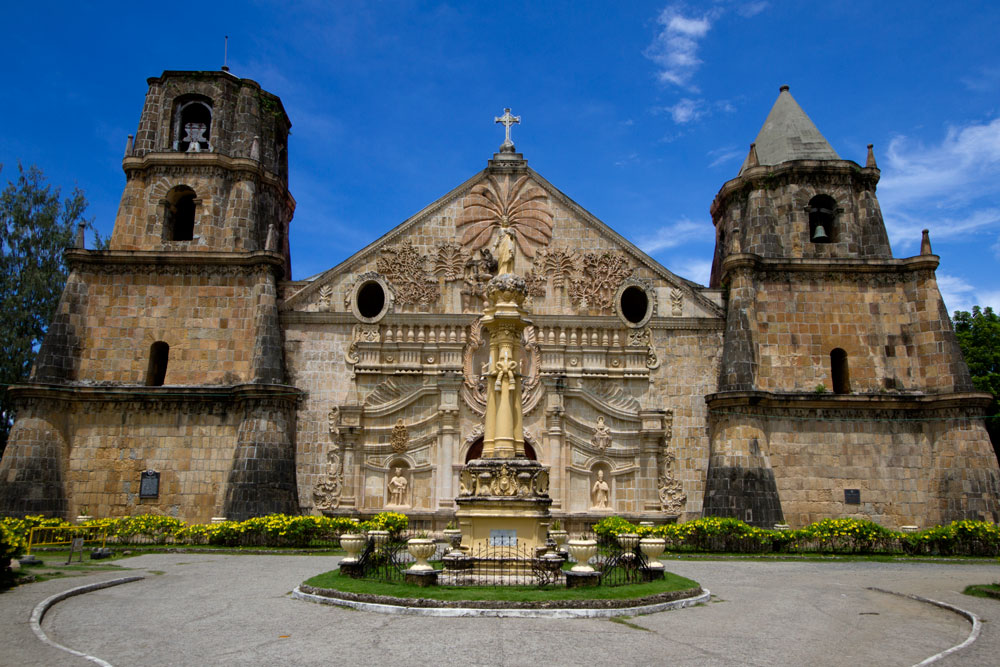
Miagao Church (Santo Tomás de Villanueva Parish)

Artist: Fray Francisco Maximo Gonzales
Year Created: 1797
Origin: Miagao, Iloilo

Widely considered the pinnacle of Philippine Folk Baroque architecture, Miagao Church features a facade depicting St. Christopher carrying the Child Jesus while leaning on a coconut tree — a localized interpretation of religious iconography. The church served a dual purpose as both a place of worship and a military fortress against pirate invasions. Its distinctive glow comes from local building materials including coral, limestone, and yellowish-ochre adobe.