Spanish Literature

Philippine literature during the Spanish colonial period was heavily shaped by religion and nationalism, producing works that spread Catholic teachings, guided revolutionary ideals, and voiced the Filipino people's longing for freedom. Writers like José Rizal used their works to expose the injustices and oppression of colonial rule, inspiring a growing spirit of resistance among Filipinos. These literary works collectively reflect the struggle between colonial authority and the emerging Filipino national identity.

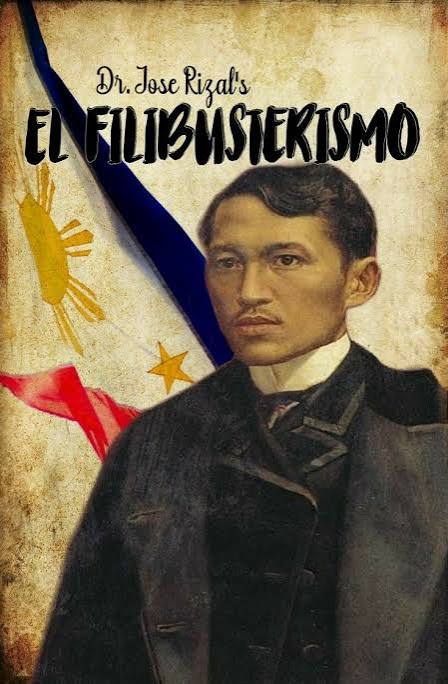
El Filibusterismo

Artist: José Rizal
Year: 1891
Origin: Ghent, Belgium

El Filibusterismo is the sequel to “Noli Me Tangere”. The story focuses on Simoun, who secretly plans revenge against the corrupt Spanish government. The novel presents the darker side of society under colonial rule. It highlights oppression, injustice, and the desire for change. This work influenced the revolutionary spirit of Filipinos.

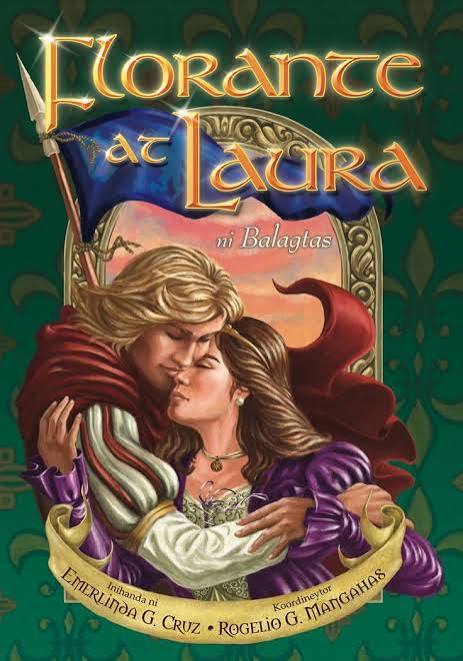
Florante at Laura

Artist: Francisco Balagtas
Year: 1838
Origin: Philippines

Florante at Laura is one of the most famous poems in Philippine literature. It tells the story of Florante, a noble hero who experiences love, betrayal, and suffering. Although the setting is fictional, it reflects the social injustices during the Spanish colonial period. The poem highlights themes of love, courage, and loyalty. It became a symbol of hope and resistance for Filipinos.

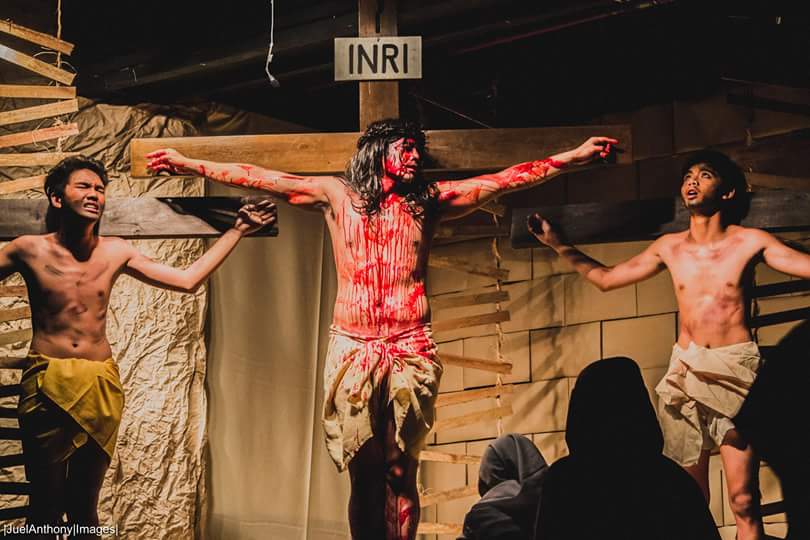
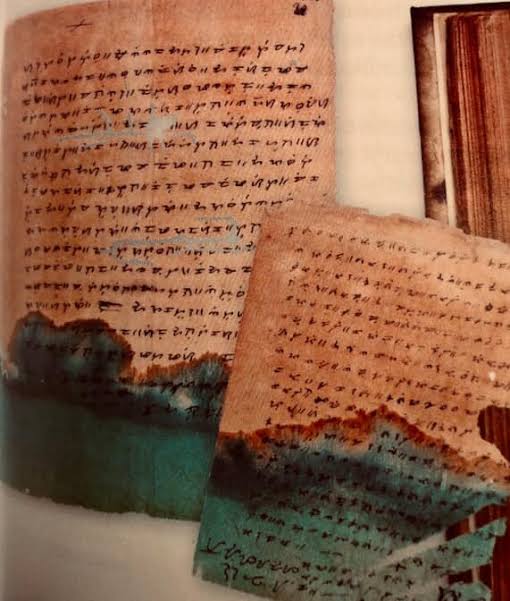
Pasyon

Artist: Anonymous Filipino Writers
Year: Early 1700s
Origin: Philippines

The Pasyon is a long religious poem about the life, suffering, death, and resurrection of Jesus Christ. It became very popular among Filipinos during the Spanish era. People usually chant or read it during Holy Week. The story helped Filipinos understand Christian teachings. It also became an important part of Filipino religious traditions.

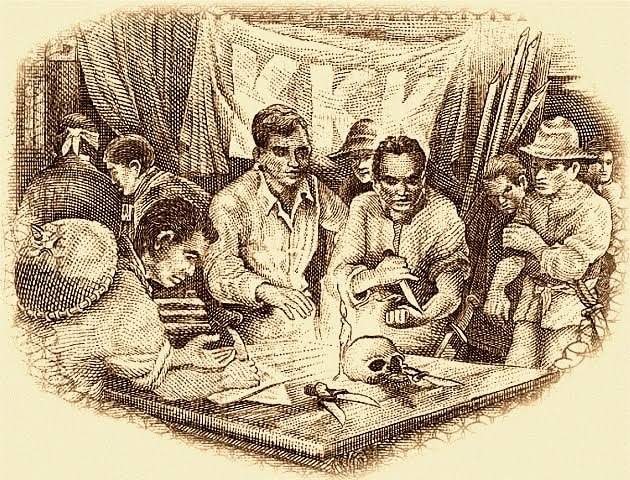
Kartilya ng Katipunan

Artist: Emilio Jacinto
Year: 1892
Origin: Philippines

Kartilya ng Katipunan is a document that contains the rules and teachings of the Katipunan. It was written to guide members in their behavior and responsibilities as revolutionaries. The text teaches values such as honesty, equality, respect, and love for the country. It reminds members that fighting for freedom requires discipline and strong moral character. This literature helped shape the ideals of those who joined the revolution against Spanish rule.

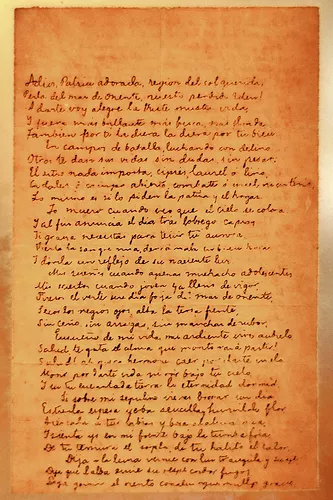
Mi Último Adiós

Artist: José Rizal
Year Created: 1896
Origin: Philippines

Mi Último Adiós is the farewell poem written by José Rizal before his execution during the Spanish colonial period. In the poem, Rizal expresses his deep love for the Philippines and his willingness to sacrifice his life for the country’s freedom. The poem reflects courage, patriotism, and hope that Filipinos will continue the struggle for independence. It became one of the most powerful symbols of Filipino nationalism. Before his death, Rizal reportedly said his final words, “Consummatum est,” meaning “It is finished.”