Spanish Music

Music during the Spanish colonial period was deeply tied to religious practice and courtship traditions, with forms like Pasyon chanting, Kundiman, and Harana becoming central to Filipino spiritual and social life. Spanish missionaries introduced Catholic liturgical music and ensemble traditions like Rondalla, which Filipinos adapted and enriched with local instruments, languages, and artistic sensibilities. These musical traditions became lasting expressions of Filipino identity, blending colonial influence with indigenous creativity in ways that continue to resonate in Philippine culture today.

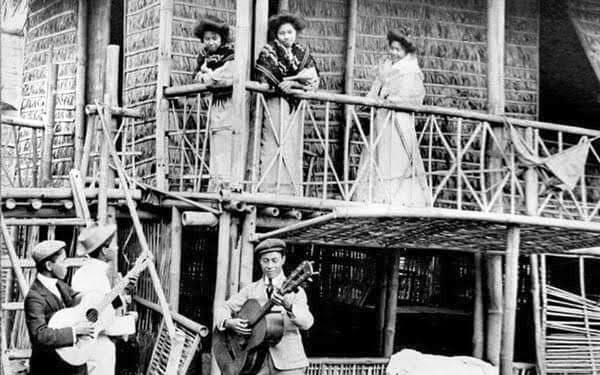
Harana

Artist/s: Filipino men/haranista
Year: 1800s
Origin: Rural areas in the Philippines

Harana is a traditional courtship practice where a man serenades a woman at her window at night, accompanied by friends, guitars, and ukeleles. It is a formal, romantic, and respectful gesture derived from Mexican-Spanish musical influences combined with indigenous, poetic Filipino traditions. Beyond romance, it served as a demonstration of a man's sincerity and respect.

Kundiman

Artist/s: Francisco Santiago, Nicanor Abelardo
Year: Late 1800s
Origin: Batangas

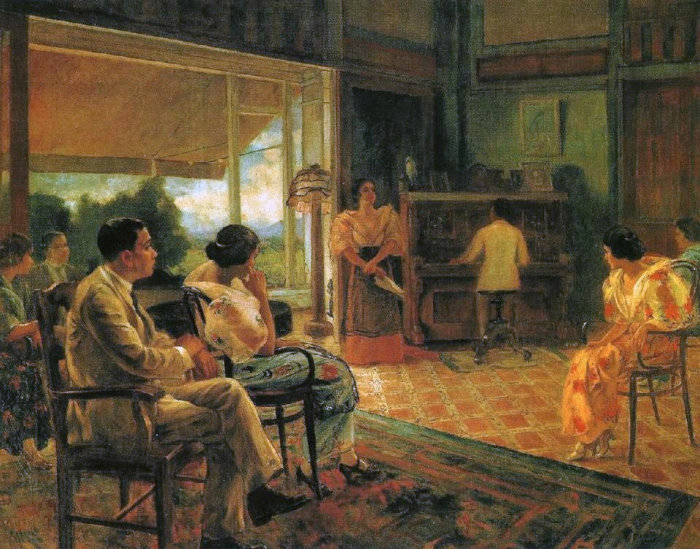
Kundiman is a genre of traditional Filipino love songs that is rooted in Tagalog culture with strong influences from the Spanish, often used as a courtship serenade or harana. Derived from the Tagalog phrase "kung hindi man" ("if it were not so"), these songs are characterized by slow, 3/4 time, melancholic melodies that often feature patriotic, anti-colonial messages masked as romantic yearning.

Rondalla Music

Artist/s: Various community musicians and folk ensembles
Year: Mid 1500s
Origin: Spain

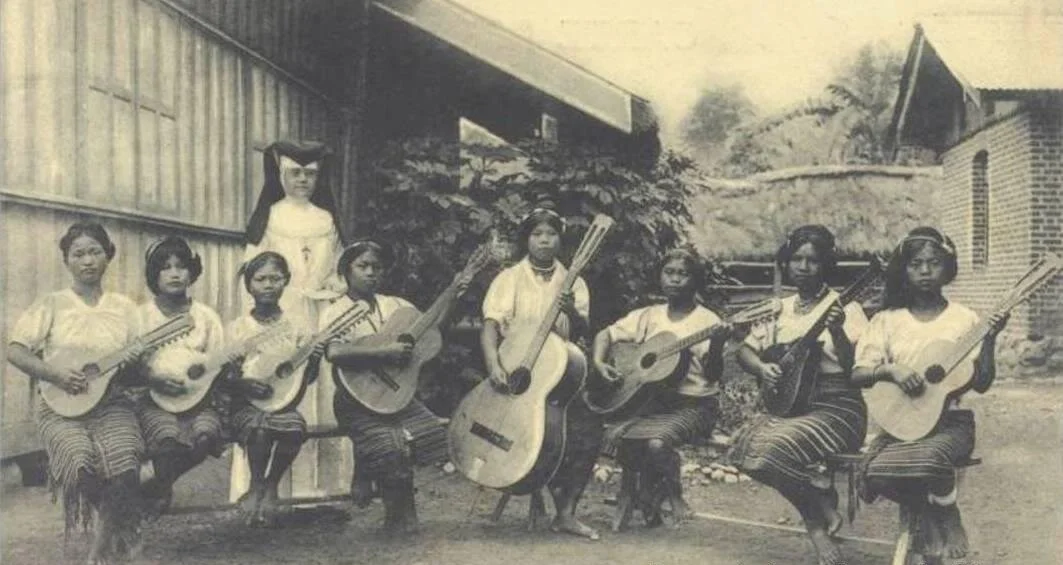
Rondalla is a traditional Filipino string ensemble introduced during the Spanish Colonial Period in the Philippines. Originating from Spain, it evolved in the Philippines into a distinct musical tradition. The ensemble consists of instruments such as the bandurria, laud, octavina, guitar, and double bass, many of which are crafted from local woods. The Filipino bandurria typically has 14 strings, producing a bright and resonant sound. Rondalla music was originally used for serenading and later became an important part of Philippine fiestas, school performances, and folk dance accompaniment.

Catholic Mass Music

Artist/s: Marcelo Adonay
Year: Around 1565
Origin: Spain

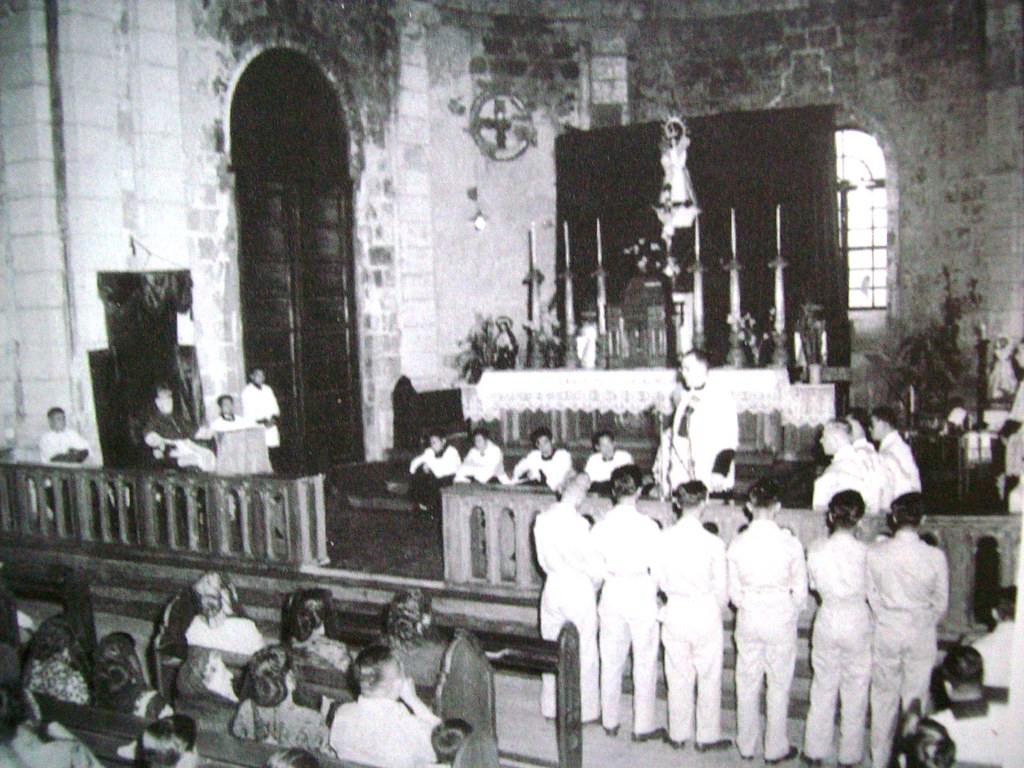
Catholic Mass Music is a form of sacred music introduced to the Philippines by Spanish missionaries during the Spanish Colonial Period in the Philippines. It is performed during the Catholic liturgy and includes choral singing, hymns, and organ accompaniment that enhance the worship service. This musical tradition became an important part of Filipino religious life and influenced many local church compositions by musicians such as Marcelo Adonay.

Flores de Mayo Songs

Artist/s: Community church choirs and local composers
Year: Around 1850s
Origin: Malolos, Bulacan

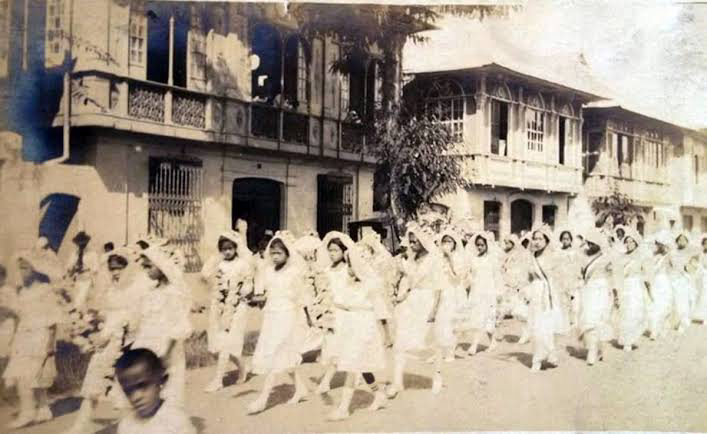
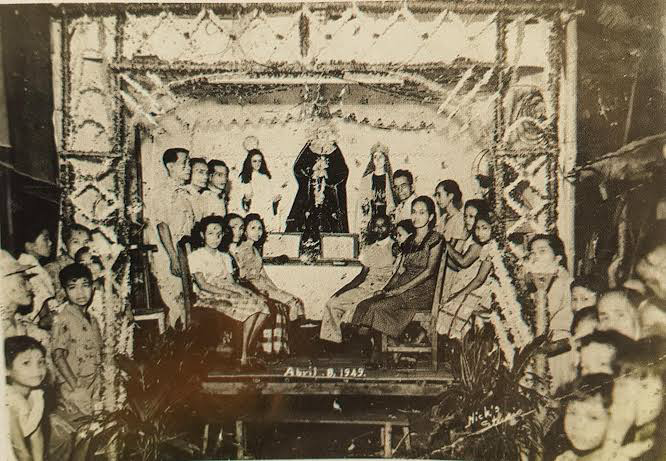
Flores de Mayo Songs are devotional songs sung during the Flores de Mayo, a Catholic celebration held every May in the Philippines. These songs honor the Virgin Mary and are often performed during prayers and the procession called Santacruzan. The music reflects the strong religious influence introduced during the Spanish Colonial Period in the Philippines.