Spanish Theatre

Spanish colonial theater in the Philippines served as both a tool for religious instruction and a celebration of Filipino culture, with forms like the Senakulo, Komedya, and Panunuluyan dramatizing Christian stories and heroic narratives. These performances blended European theatrical traditions with indigenous storytelling, music, and visual art, making them accessible and meaningful to ordinary Filipinos during town fiestas and religious celebrations. Theater during this period helped reinforce Catholic values while also becoming a space where Filipino creativity, language, and cultural pride could be expressed.

Panunuluyan

Artist: Filipinos
Year Created: 16th Century
Origin: Philippines

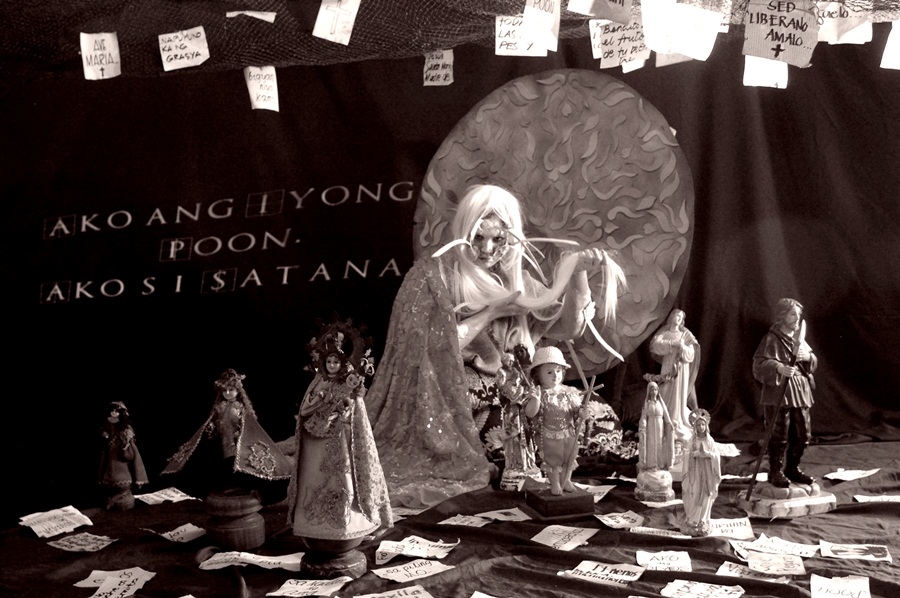
Panunuluyan is a traditional Christmas theatrical performance adapted from the Mexican Las Posadas, introduced to the Philippines via the galleon trade in 1600. The play reenacts Mary and Joseph searching for a place to stay before Jesus' birth, often with singing and processions. It emphasizes hospitality, devotion, and shared cultural heritage.

Senakulo

Artist: Gaspar Aquino de Belen
Year Created: 1704
Origin: Philippines

Senakulo is a traditional religious play performed during Holy Week in the Philippines, dramatizing the life, suffering, and crucifixion of Jesus Christ. It often includes outdoor performances with costumes, acting, and music, serving to teach Christian values and inspire faith and moral reflection.

Carillo

Artist: Filipinos
Year Created: 1870s
Origin: Calle Magdalena, Quiapo, Manila

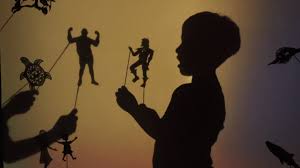
Carillo is a traditional shadow puppet theatrical performance performed on moonless nights during town fiestas or after harvests, creating moving shadows that act out the story. Narrators and musicians accompany the puppets while telling religious stories, legends, or heroic tales. Carillo reflects how Filipinos combined storytelling, visual art, and Spanish-era theatrical influence.

Junto al Pasig

Artist: José Rizal
Year Created: 1880
Origin: Ateneo Municipal de Manila

Junto al Pasig is a one-act zarzuela written in Spanish for the Academia de la Literatura Castellana. The play includes allegorical characters representing good and evil and combines dialogue with musical elements. The work shows how Filipino students participated in Spanish-influenced theater while expressing local creativity.

Komedya de San Miguel

Artist: Filipinos
Year Created: 1890s
Origin: Iligan City

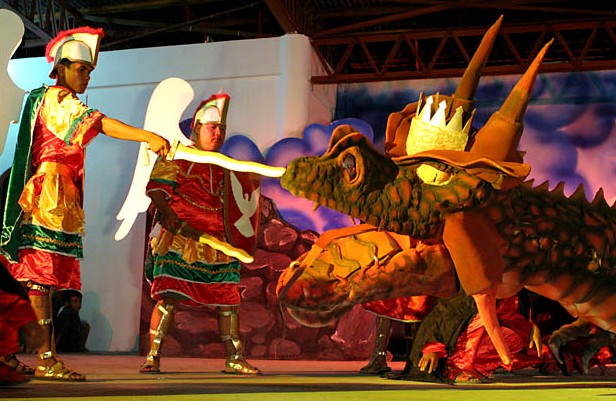
Komedya de San Miguel is a traditional Moro-Moro style theatrical play that dramatizes the battle between St. Michael and Lucifer. Performers wear colorful costumes and perform stylized sword fights and choreographed movements. The performance was usually presented during town fiestas and religious celebrations, reflecting the blend of Spanish influence and Filipino cultural traditions.